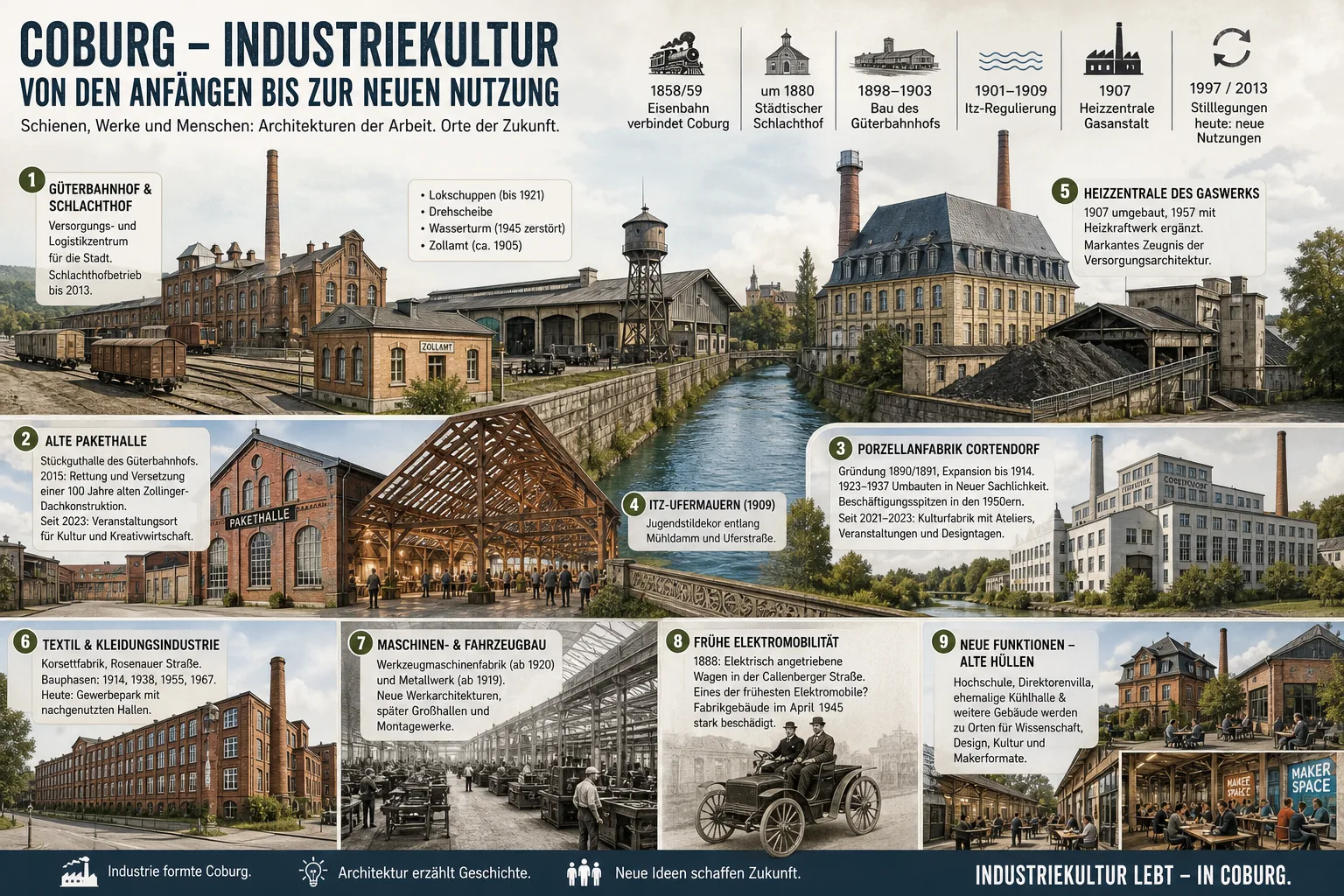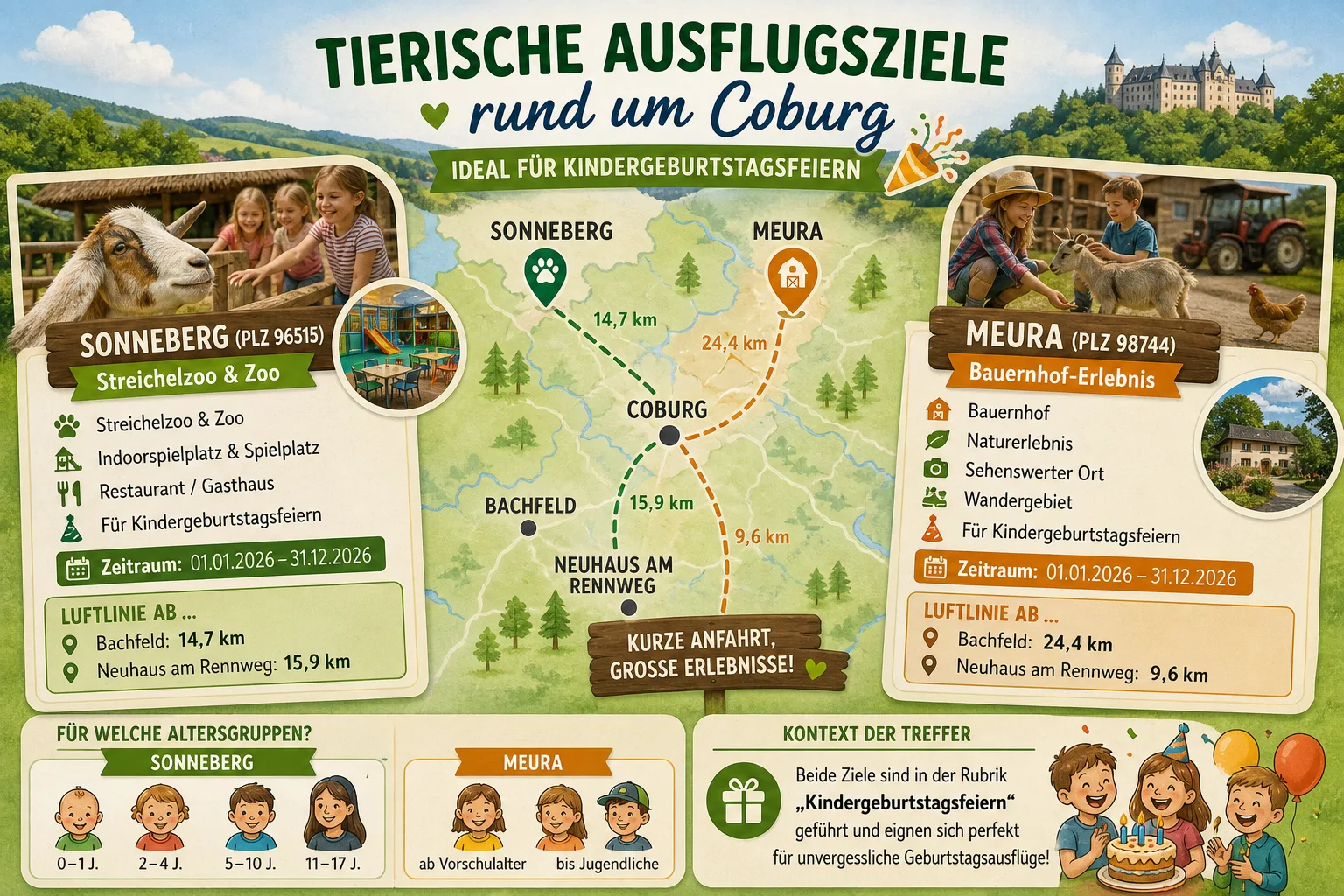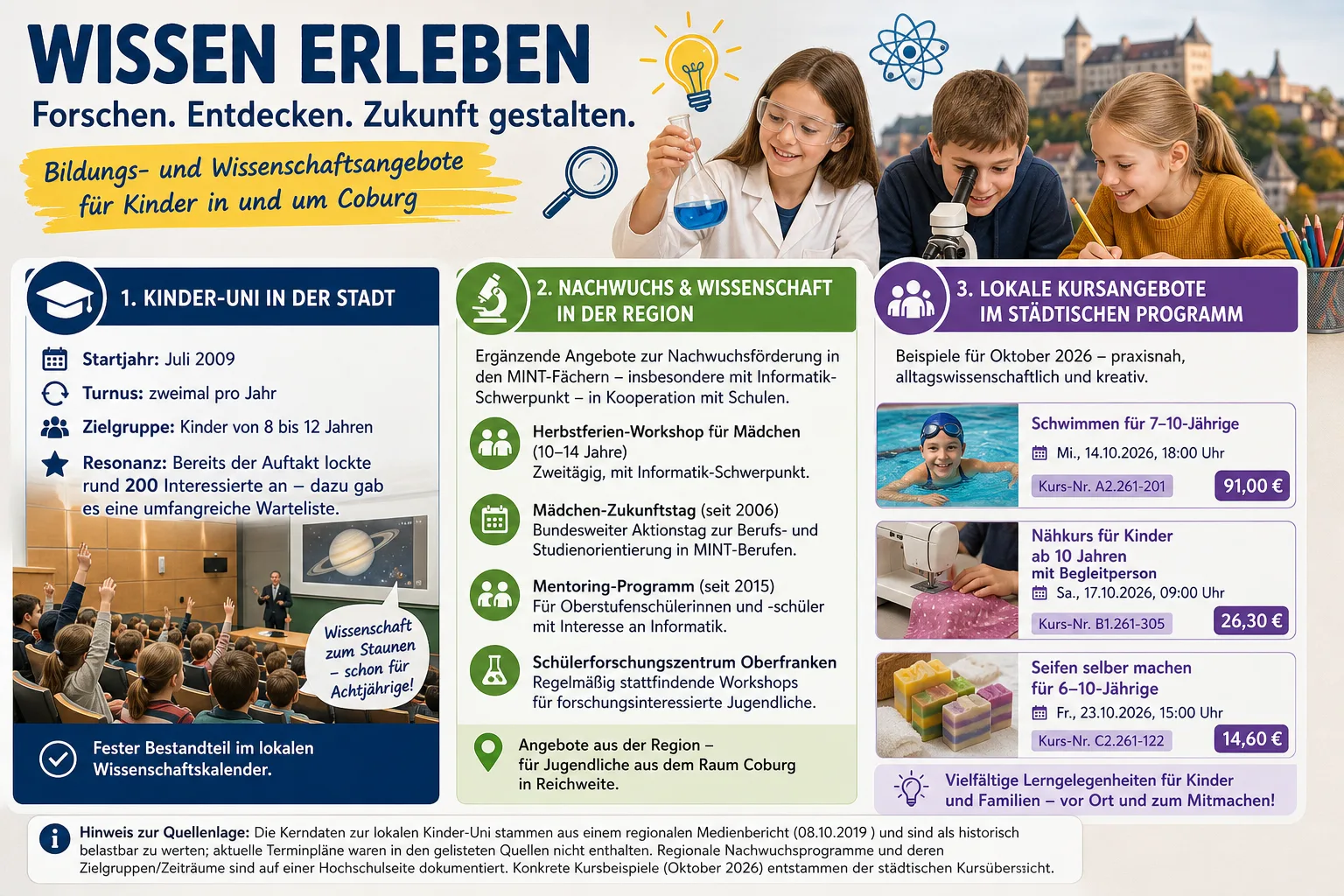
Time Travel through Coburg: Old Photos & City Faces
Time Travel through Coburg: Old Photos, Stories & People
In the coming weeks, you are planning your own self-guided photo time travel through Coburg. You will recreate historical shots with current views, conduct short conversations with people, and prepare your material in a legally secure way. This program shows you how to proceed, which route is recommended, which equipment is helpful, and how to share your results.
Overview: Your Upcoming Photo Time Travel
You will visit selected places in Coburg, photograph motifs from as identical a perspective as possible, and collect voices from the city. The goal is a small, personal future project: a before/after set of images and notes that deepens your relationship with the city and motivates others to participate.
- Format: self-organized tour (individual or small group)
- Focus: places, faces, everyday moments – all with a forward-looking perspective
- Result: a curated mini-archive (photos, audio voices, short texts)
- Legal: you will observe copyright, personal rights, and data protection issues
Sample Schedule You Will Implement
- One week before: You will review old family photos, select motifs, and mark locations on a map. You plan a 2–3 hour route.
- Tour day (example):
- 10:00 – Start at the first location, camera test, light check
- 10:15–12:00 – Visit 5–7 stations and take new photos
- 12:00–12:30 – Collect short interviews/notes (if people agree)
- 12:30 – Finish, data backup
- 1–3 days after: You will name files, add metadata, check legal releases, and share a small selection.
Suggested Route for Your Tour
You will head to these freely accessible places and choose a clear motif at each. Adjust the order to your route planning and the light.
- Market Square: You photograph the square axis with the town hall front in a frontal perspective.
- Albertsplatz: You capture the path layout and sightlines with calm lines.
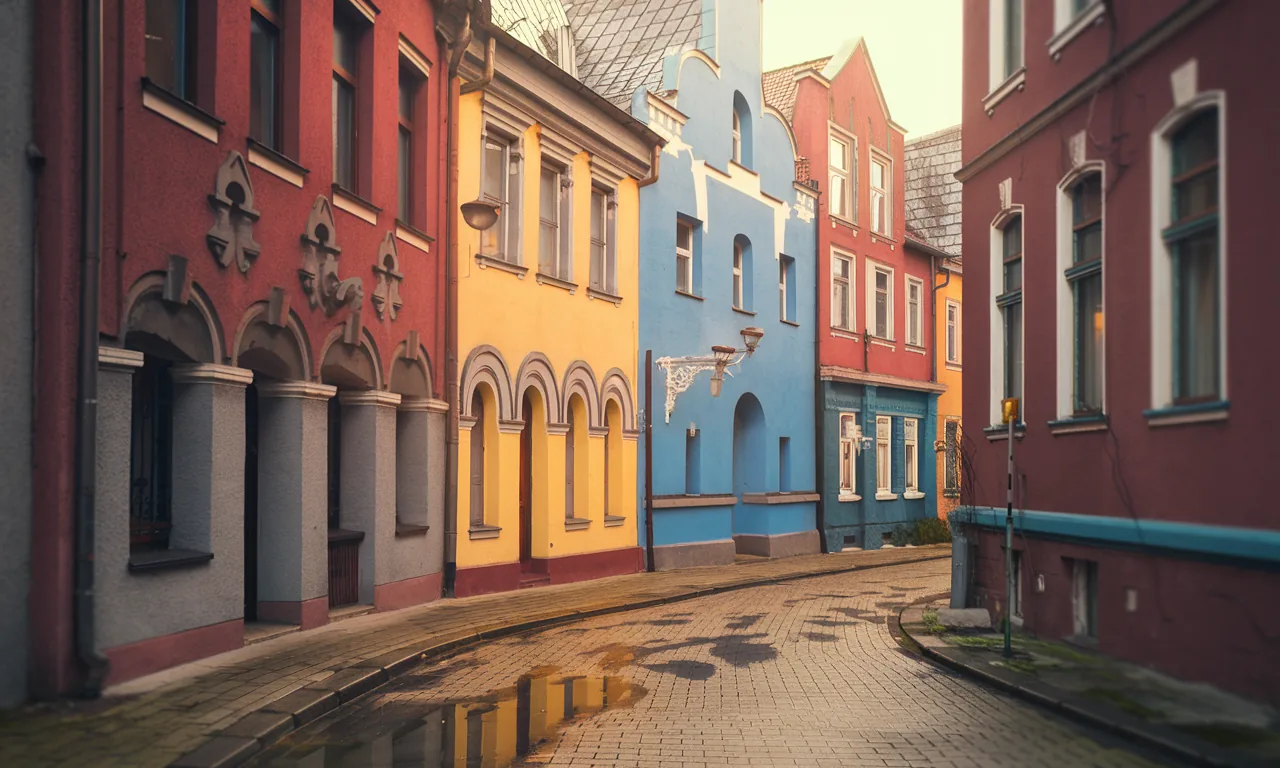
- Ketschengasse: You will document sequences of facades and shop windows.
- Spitalgasse: You record the street width and ground floor uses.
- Ehrenburg Castle (exterior view): You pay attention to a safe standing position and symmetrical composition.
- Veste View (viewpoint near the city center): You compare the silhouette and green areas in the cityscape.
Note: On site, you will observe traffic rules, not block access, and respect sensitive areas.
People in the Picture: How You Will Include Voices
- You will only photograph people who are clearly consenting (obtain consent).
- You will ask short questions (e.g., "What do you wish for this place in the coming years?") and note answers in keywords or – with consent – record them.
- You will have quotes approved before publication.
Equipment & Preparation
- Camera or smartphone with stable mount
- Optional: a small monopod for identical perspectives
- Mobile power supply and weatherproof case
- Map app with marked locations and note function
- Consent forms (analog or digital) for conversations and portraits
If you digitize private prints afterwards, choose a high resolution (e.g., 300–600 ppi) and lossless formats (TIFF/PNG). You will also capture the backs with notes, as they provide context.
Legal, Safety & Etiquette – What You Will Observe
- Freedom of Panorama (§59 UrhG): You will generally be allowed to freely photograph works permanently visible in public spaces (e.g., facades). Interiors or installations not permanently visible are excluded.
- Photos of people: You will only photograph and publish clearly identifiable people with their consent. Group and event situations require special care.
- Data protection: You will only collect necessary data, document consents, and respect withdrawals.
- Private property: You will observe property rights and, if necessary, ask for permission in advance.
- Safety: You will not choose risky locations, keep paths clear, and not obstruct emergency vehicles.
Curating & Sharing Results: How You Will Proceed
- You will arrange motif pairs at identical focal length and height.
- You will add three elements to each: location, year (new), short context sentence.
- You will create a small gallery and consider accessibility (alternative texts).
- You will only share content for which you have consents and rights.
Next Steps
- You will set a date for your tour and invite companions.
- You will select 5–7 motifs and mark locations on your map.
- You will prepare consent forms and a simple checklist.
- You will plan a 30-minute buffer for conversations and notes.
Sources & Further Information
- UrhG §59 – Works in Public Places (Freedom of Panorama) — Federal Ministry of Justice/juris (accessed 2025-12-01)
- BfDI – FAQ on GDPR (Photography and Personal Data) — Federal Commissioner for Data Protection and Freedom of Information (accessed 2025-12-01)
- DFG – Practical Rules "Digitization" — German Research Foundation (recommended minimum standards for resolution/metadata) (accessed 2025-12-01)