
Hugo Harrer
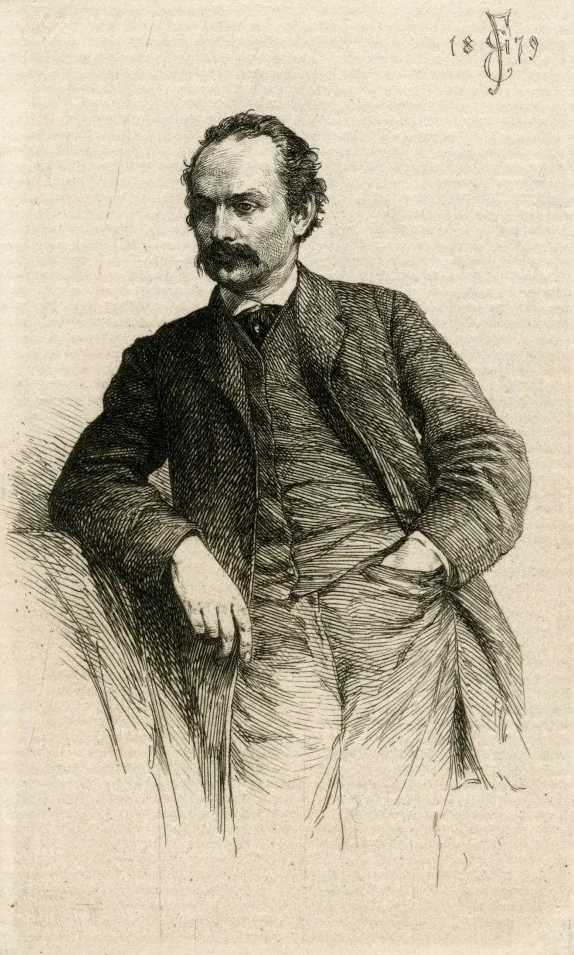
Image from Wikipedia
Image from Wikipedia
Hugo Harrer: A Sensitive Realist Between Architecture, Landscape, and Rome
A German Painter of the Düsseldorf School with an Eye for the Decayed and Genuine
Hugo Paul Harrer was a German landscape and architectural painter of the Düsseldorf School, whose artistic profile was fueled by careful natural observation, realistic representation, and a particular fondness for picturesque ruined landscapes. He was born on February 6, 1836, and died on December 10, 1876, in Rome; in art historical accounts, he appears as a painter who became a recognized representative of modern realism without formal academic training. ([de.wikipedia.org](https://de.wikipedia.org/wiki/Hugo_Harrer?utm_source=openai))
His life path tells the story of an artist who found his way into painting not through the art academy, but through self-study, observation, and visits to artists’ studios. This attitude shaped his music career? No – his painting career: Harrer worked with the precision of a quiet observer and developed a visual language from architectural motifs and landscapes that focused on authenticity rather than flashy effects. ([deutsche-biographie.de](https://www.deutsche-biographie.de/sfz26126.html?language=en&utm_source=openai))
From Architecture Student to Self-Taught Painter
Harrer initially began training in architecture but then turned to painting as a self-taught artist. According to the Deutsche Biographie, he received his artistic education not through a prolonged attendance at an academy, but through self-study, careful observation of nature, and visits to the studios of friend artists. This independence particularly made him a distinctive figure within the 19th century. ([deutsche-biographie.de](https://www.deutsche-biographie.de/sfz26126.html?language=en&utm_source=openai))
His first paintings were created in Nuremberg, where the picturesque architecture greatly inspired him. Later, he moved to Munich, where he was attracted to the newly emerging realistic painting style of Carl Theodor von Piloty; this early connection sparked his interest in art that does not idealize what is seen but takes its material presence seriously. ([deutsche-biographie.de](https://www.deutsche-biographie.de/sfz26126.html?language=en&utm_source=openai))
Rome as an Artistic Turning Point
In 1862, Harrer moved to Rome due to a chest ailment, and there his work gained the attention that secured his name in art historical sources. His first studies painted from nature there drew attention due to their great truthfulness and fidelity; this was more than a praise for technical brilliance, it pointed towards his artistic principle: to paint just as he saw the world. ([deutsche-biographie.de](https://www.deutsche-biographie.de/sfz26126.html?language=en&utm_source=openai))
In Rome, he closely associated with Ludwig Passini and worked extremely diligently. He preferred architectural paintings with figures, but also supplemented them with small genre paintings, undertaking numerous excursions from Rome to gather studies; each year he sent several larger paintings to German art exhibitions. Thus, he remained present in the German art scene, although his main residence increasingly had an Italian character. ([deutsche-biographie.de](https://www.deutsche-biographie.de/sfz26126.html?language=en&utm_source=openai))
Realism, Architecture, and the Poetry of Ruins
Harrer’s work represents a sober yet sensitive realism. Rudolf Bergau describes him as a “thoroughly modern realist” who wanted to depict objects exactly as he saw them and attached great importance to the manner of painterly representation. He particularly favored picturesque angles in crumbling ruins as motifs, which made his paintings convey between architectural documentation and poetic atmosphere. ([deutsche-biographie.de](https://www.deutsche-biographie.de/sfz26126.html?language=en&utm_source=openai))
This connection of structure and atmosphere makes Harrer interesting for art history. His architectural paintings were never mere reproductions but became a quiet commentary on time, transience, and the beauty of the fragmentary through light, layering, and the inclusion of human figures. In this sense, his work clearly bears the hallmark of the Düsseldorf School, expanded by a personally observed aesthetic of realism. ([de.wikipedia.org](https://de.wikipedia.org/wiki/Hugo_Harrer?utm_source=openai))
Biographical Context and Final Years in Rome
After a two-year stay in Düsseldorf, Harrer returned to Rome, where he died on December 8 or, according to another source, on December 10, 1876. The sources also point to differing accounts regarding his birthplace and date of death, but the art historical classification remains clear: a German painter of the 19th century whose career spanned Eberswalde, Nuremberg, Munich, Düsseldorf, and Rome. ([deutsche-biographie.de](https://www.deutsche-biographie.de/sfz26126.html?language=en&utm_source=openai))
His grave is located in the Protestant Cemetery in Rome. This final station emphasizes how profoundly his life was shaped by the European art mobility of the 19th century: German educational tradition, Italian subject matter, Roman workshop culture, and the connection to exhibitions in the German-speaking region. ([de.wikipedia.org](https://de.wikipedia.org/wiki/Hugo_Harrer?utm_source=openai))
Reception and Art Historical Significance
Harrer’s significance lies less in great fame but in the consistency of his painterly attitude. The Deutsche Biographie emphasizes his naturalistic observation, his craft independence, and his closeness to modern realism; thus, he belongs to those artists who shaped the 19th century not through monumentality but through accuracy and quiet intensity. ([deutsche-biographie.de](https://www.deutsche-biographie.de/sfz26126.html?language=en&utm_source=openai))
For today’s readers and art enthusiasts, this is precisely the allure: Harrer represents a painting that thinks of architecture not coldly but atmospherically, and landscapes not as mere backdrops but as emotional spaces. His work combines cultural history, spatial perception, and a sensitive eye for the weathered into a visual language that still feels modern today. ([deutsche-biographie.de](https://www.deutsche-biographie.de/sfz26126.html?language=en&utm_source=openai))
Discography and Current Projects
As Hugo Harrer was not a musician but a painter, there is no discography, no chart history, and no series of musical releases. Likewise, there are no current music projects, albums, or tours verifiable for 2024 or 2025; the available sources only locate him within the art historical context of the 19th century. ([deutsche-biographie.de](https://www.deutsche-biographie.de/sfz26126.html?language=en&utm_source=openai))
Voices of the Fans
No official social media profiles have been identified for Hugo Harrer. Therefore, there is no verifiable space for fan quotes or community voices, and this section consciously remains without further attributions. ([de.wikipedia.org](https://de.wikipedia.org/wiki/Hugo_Harrer?utm_source=openai))
Conclusion: A Quiet Master of Observation Whose Images Resonate to This Day
Hugo Harrer captivates through his connection of self-taught artistry, realistic perspective, and a deep sensitivity to architecture, ruins, and landscapes. Those interested in the Düsseldorf School, German realism, and the poetic power of careful nature observation will discover in him an artist with character and clarity. His paintings invite viewers to look closer – and in that lies their enduring tension. ([deutsche-biographie.de](https://www.deutsche-biographie.de/sfz26126.html?language=en&utm_source=openai))
Harrer’s work serves as an invitation to take seriously the silence between stones, façades, and landscapes. That is exactly why looking at his art is worthwhile to this day: not as a spectacular event but as a profound encounter with a painter who prioritized authenticity over pose. ([deutsche-biographie.de](https://www.deutsche-biographie.de/sfz26126.html?language=en&utm_source=openai))
Official Channels of Hugo Harrer:
- Instagram: no official profile found
- Facebook: no official profile found
- YouTube: no official profile found
- Spotify: no official profile found
- TikTok: no official profile found
Sources:
- Deutsche Biographie – Harrer, Hugo
- Wikipedia – Hugo Harrer
- Wikipedia – Harrer (Disambiguation)
- Deutsche Biographie – ADB Entry on Hugo Harrer
- Wikipedia: Image and text source