
Stephen Sondheim
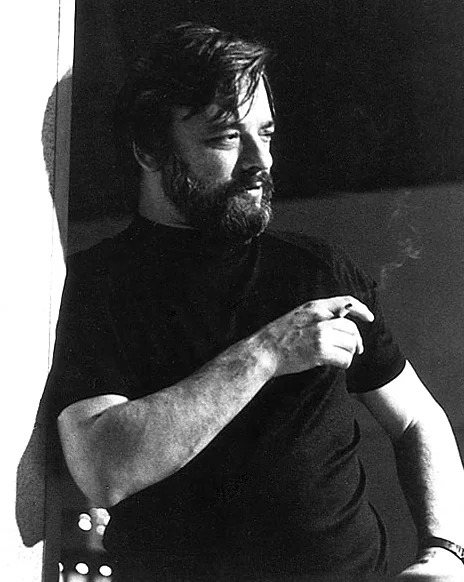
Image from Wikipedia
Image from Wikipedia
Stephen Sondheim – The Revolutionary Architect of Modern Musicals
How Stephen Sondheim Reinvented Broadway – A Life Between Word, Music, and Stage
Stephen Joshua Sondheim shaped musical theater in the 20th and 21st centuries like few others: as a composer, lyricist, dramaturge, and uncompromising innovator. His musical career spanned from early apprenticeship under Oscar Hammerstein II to sensational Broadway successes, culminating in late masterpieces that continue to conquer stages even after his death in 2021. With an unparalleled blend of sharp-witted lyrics, sophisticated composition, and psychological depth, Sondheim fundamentally changed the genre – inspiring generations of artists.
Early Years and Artistic Development
Born on March 22, 1930, in New York City, Sondheim discovered his inclination for music, language, and structure at an early age. Under the mentorship of Oscar Hammerstein II, he not only learned the craft of musical theater but also how to think in scenes, characters, and dramatic arcs – a schooling that profoundly shaped his artistic development. After studying at Williams College, he honed his compositional skills with mentors like Milton Babbitt; the analytical rigor of this education can be heard in his harmonic turns, intricate rhythms, and precise musical storytelling in his works. His first major professional milestone came in 1957 as a lyricist for Leonard Bernstein's West Side Story – a career step that opened the door wide to Broadway and established Sondheim as a wordsmith with an unerring sense of drama. ([en.wikipedia.org](https://en.wikipedia.org/wiki/Stephen_Sondheim?utm_source=openai))
Breakthrough on Broadway: From Lyricist to Composer-Lyricist
Following his work on the lyrics for Gypsy (1959), Sondheim's first major Broadway score came with A Funny Thing Happened on the Way to the Forum (1962). This marked the beginning of his phase as a "composer-lyricist," where he combined music and lyrics stemming from a dramatic idea. In the 1970s, he refined this signature style: Company (1970) dissects urban relationships with a mosaic-like structure; Follies (1971) collages nostalgia and disillusionment; A Little Night Music (1973) unfolds waltz finesse; Pacific Overtures (1976) reflects cultural-historical perspectives; Sweeney Todd (1979) combines Grand Guignol with symphonic force. These works – numerous awards notwithstanding – established Sondheim as a Broadway legend whose stage presence continues to resonate today. ([britannica.com](https://www.britannica.com/biography/Stephen-Sondheim?utm_source=openai))
Partnerships That Made Theater History
Harold Prince and James Lapine are among Sondheim's most important creative collaborators. With Lapine, he created Sunday in the Park with George (1984), a milestone about art and work, and Into the Woods (1987), a multifaceted deconstruction of fairy tale storytelling. The arrangements by Jonathan Tunick – sonically delicate, orchestrally clear – became the aesthetic DNA of many scores. Overall, Sondheim's discography embodies a school of thought: every composition follows the scene, each reprise carries meaning, and every arrangement sharpens the psychological profile of the characters. ([britannica.com](https://www.britannica.com/biography/Stephen-Sondheim?utm_source=openai))
Awards, Honors, Influence
Sondheim's artistic authority is reflected in a collection of trophies that shapes the canon: including an Academy Award (for "Sooner or Later" from Dick Tracy), numerous Tony Awards – including a special Tony for lifetime achievement – the Pulitzer Prize for Sunday in the Park with George, as well as top national honors such as the Presidential Medal of Freedom and the National Medal of Arts. His works have been read, reinterpreted, and awarded time and again – an indicator of lasting cultural relevance and the depth of his compositional and poetic language. ([britannica.com](https://www.britannica.com/biography/Stephen-Sondheim?utm_source=openai))
Discography and Critical Reception
Sondheim's discography includes original cast recordings, revivals, live albums, and thematic compilations that showcase his oeuvre from various perspectives. From the iconic albums of Company, Follies, and Sweeney Todd to the smooth melancholy of A Little Night Music and the dialogical structures in Into the Woods: his works consistently merge textual accuracy with musical architecture. Critics have highlighted his innovative power – his departure from mere sentimentality, embracing ambivalence, irony, and psychological precision. The success of more recent productions like the newly arranged version of Company or Sweeney Todd in 2023/24 reinforces Sondheim's presence in the present. ([pbs.org](https://www.pbs.org/wnet/gperf/keeping-company-with-sondheim-about/13669/?utm_source=openai))
Current Projects and Legacy (2024–2026): Revivals, New Recordings, Archive
After Sondheim's death, his later chapters continued to unfold: Here We Are – his final musical with a book by David Ives, directed by Joe Mantello – premiered in 2023 at The Shed (NYC); the original cast album was released in 2024, followed by a new London production in 2025. Concurrently, the revue Stephen Sondheim’s Old Friends, after a successful run in London (2023), will have its North American premiere in Los Angeles in 2025 and transfer to Broadway. Additionally, the Broadway revival production of Merrily We Roll Along won several Tony Awards in 2024 (including Best Revival, Best Actor, Best Featured Actor), returning the once "problematic piece" to a path of success. Moreover, in 2025, the Library of Congress acquired approximately 5,000 items from Sondheim's estate – a research resource documenting his working process from early drafts to finished arrangements. ([en.wikipedia.org](https://en.wikipedia.org/wiki/Here_We_Are_%28musical%29?utm_source=openai))
Style, Composition, and Dramaturgy
Sondheim wrote music as dramatic action: form and function merge, motifs reflect character psychology, rhythm structures the flow of dialogue. His harmony delights in seconds and surprising modulations; melodically, he exploits contour and speech accent to transform declamation into song. “Send in the Clowns” showcases lyrical simplicity in service of the scene, while Sweeney Todd exhibits orchestral density and thematic interconnection. Company employs tableaux and song scenes that reflect relationships like prisms; Into the Woods uses reprises as moral echo chambers. This production depth – from composition to arrangement to orchestration – made Sondheim’s works reference points for contemporary composers and the music press. ([britannica.com](https://www.britannica.com/biography/Stephen-Sondheim?utm_source=openai))
Cultural Influence and Generational Transition
Few musical creators have shaped pop and theater culture as broadly: from cast albums and revivals to documentaries and talk formats, Sondheim’s name remains prominent. Artists from various genres interpret his songs – from Judy Collins’ hit version of “Send in the Clowns” to younger voices rediscovering Sondheim through social media. His lyrics and scores constitute teaching material today in composition, arrangement, and libretto analysis. Access to his estate at the Library of Congress promises to further fuel research and staging practices – a vibrant legacy reaching stage, classroom, and streaming alike. ([grammy.com](https://www.grammy.com/artists/stephen-sondheim/12557?utm_source=openai))
Voices of the Fans
Fan reactions clearly demonstrate: Stephen Sondheim inspires people worldwide. One fan raves on Instagram: “These songs hit the heart and the mind – every word resonates.” Another listener writes on Instagram: “Sondheim's music has changed my view on musicals – forever.” A user states on Instagram: “I discover new layers in every revival – Sondheim doesn't age, he grows.” ([broadwayworld.com](https://www.broadwayworld.com/article/Stephen-Sondheim-is-Now-on-Instagram-20200510?utm_source=openai))
Conclusion: Why Sondheim Sounds More Urgent Than Ever Today
Sondheim makes theater a mirror of the present: his characters are contradictory, his music bold, his language precise. Those who experience his works live witness how composition and text breathe scenically and transform feelings into action. Whether in the symphonically charged darkness of Sweeney Todd, the intimate richness of A Little Night Music, or the emotional kaleidoscope of Company – Sondheim's art remains an event. Recommendation: Experience the next Sondheim production in your city – and listen to the cast recordings as a dramatic journey, not merely a song collection.
Official Channels of Stephen Sondheim:
- Instagram: https://instagram.com/realsondheim
- Facebook: No official profile found
- YouTube: No official profile found
- Spotify: https://open.spotify.com/artist/4TbtUt49IMXEIMmNdifHb1
- TikTok: No official profile found
Sources:
- Encyclopaedia Britannica – Stephen Sondheim (Biography, Overview of Works)
- National Endowment for the Arts – Statement & Awards
- Tony Awards – Merrily We Roll Along (Revival 2023/24, Award Winners)
- People – Tony Awards 2024: Jonathan Groff & Ensemble (Report, June 16, 2024)
- Sonia Friedman Productions – Box Office Records for "Merrily" (July 7, 2024)
- PBS Great Performances – Keeping Company with Sondheim (Documentary, 2022)
- Wikipedia – Here We Are (Premiere, Cast Album 2024)
- The Guardian – Here We Are (London 2025, Context & Reception)
- Associated Press – Sondheim’s Papers at the Library of Congress (2025)
- Masterworks Broadway – Stephen Sondheim (Context of Works and Recordings)
- BroadwayWorld – Confirmation of the Official Instagram Account (@realsondheim)
- Wikipedia: Image and Text Source
Upcoming Events
Merrily We Roll Along – Theater Regensburg
Sweeney Todd – Musical-Thriller by Stephen Sondheim