
Bad Kissingen
Ludwigstraße 2, 97688 Bad Kissingen, Deutschland
Regentenbau Bad Kissingen | Events & Tickets
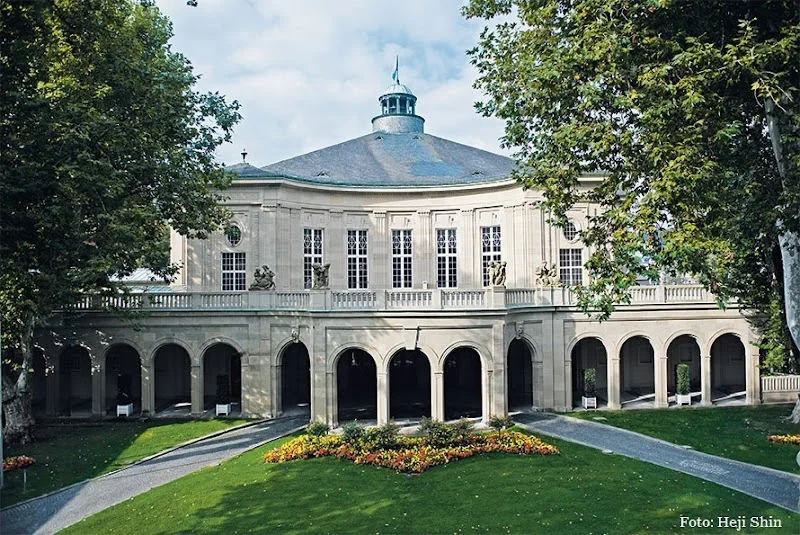
The Regentenbau in Bad Kissingen is the most magnificent building of the historic spa ensemble and one of the most renowned concert venues in Europe. Built between 1911 and 1913 according to plans by the Munich architect Max Littmann, it forms, together with the Arkadenbau and Wandelhalle, the heart of the UNESCO World Heritage site Great Spa Towns of Europe in Bad Kissingen. Its famous Max-Littmann-Saal offers up to 1,160 seats in row seating and is considered an acoustic gem due to its shoebox geometry, U-shaped balcony, and characteristic cherry wood paneling, where even radio and audio productions take place. In addition to the large hall, the Regentenbau houses the White Hall in Rococo style, the Green Hall with Art Nouveau elements, the Rossini Hall for smaller concerts, and the romantic Schmuckhof. Its location by the spa gardens with a short distance to the pedestrian zone, good connections by train and motorway, and affordable parking options starting from 1 Euro per day make a visit easy to plan. Whether festival highlight, symphony concert, gala, or conference: here, sound culture, architectural history, and comfortable visitor guidance come together in an ideal way.
Events, concerts, and today's program: how to plan your visit
Those who want to experience culture at short notice will find a diverse program at the Regentenbau and the adjacent spa ensemble almost all year round. The focus is on the Max-Littmann-Saal, whose excellent acoustics attract international orchestras, soloists, and production teams. Especially during the Kissinger Sommer summer festival, the house pulses: Several evening concerts per weekend, thematically bundled programs, and high-profile guest performances shape the season. Many concerts from the Max-Littmann-Saal are recorded by Bayerischer Rundfunk – an indication of the quality of the performances and the resonance of the hall. Outside of the major festival phase, it is worth looking at the daily preview: In addition to symphonic, chamber music, and crossover projects, guest performances by popular artists, choral concerts, and thematic special programs are also part of the repertoire. Additionally, guided tours through the Regentenbau, Arkadenbau, and Wandelhalle enliven the visit, explaining history and architecture at various stations – including the opportunity to closely understand the outstanding construction and acoustic idea. A practical tip for spontaneous visitors: The organizers continuously publish the current daily programs and mark remaining tickets. During the festival, a comfortable bus shuttle from Fulda and Würzburg is available on selected evenings, as well as package deals for multiple concerts; this allows stays with several evenings of music to be planned. Those traveling with family can look for family events or moderated formats suitable for a younger audience. And even on days without an evening concert, the place offers plenty of cultural atmosphere: The Staatsbad Philharmonie Kissingen regularly plays in the Wandelhalle – depending on the day of the week, even multiple times a day – ensuring that day guests also enjoy musical experiences. Since individual dates may change, it is advisable to check the official daily overview on the day of travel. With the combination of up-to-date program overview, clear hall plans, and easily accessible ticket service, a successful concert evening can be quickly organized.
Buying tickets, box office, and service: an overview of all booking options
There are several official ways to purchase tickets, which reliably serve even last-minute visitors. The central point of contact on-site is the Tourist Information in the Arkadenbau directly at the spa gardens: Here you can receive advice, tickets, and vouchers daily from 9:30 AM to 5:30 PM. You can reach the ticket center by phone at 0971 80 48 444; ordering by email and conveniently online is also possible. During the festival period, the concert box office at the venue usually opens 60 minutes before the start – ideal for purchasing remaining tickets, picking up pre-ordered tickets, or making last-minute changes. Payment methods include credit card, invoice/transfer, and direct debit, depending on the system. The discount models are attractive: Recipients of citizen income, people in federal or youth voluntary service, and guests with the markers aG, Bl, or B receive a 50 percent discount, subject to availability. Students, pupils, and trainees up to 27 years old also receive a 50 percent discount; on the concert day, 10-Euro tickets may be available at the box office, depending on availability. For frequent listeners, there are weekend packages that bundle three or four evening concerts and allow savings compared to individual purchases. Practical tips for the concert evening: Entry usually begins 30 minutes before the concert starts; late entry is only possible after works or during the intermission. Image and sound recordings are generally not permitted. If you want to make someone happy, you can purchase vouchers and redeem them flexibly later. Since demand is high during peak times, it is advisable to select your seat early based on the official seating plan; this allows you to consider acoustic and visibility preferences – parquet, royal box, or balcony – without guesswork. And if an appointment is postponed: The ticket service on-site will assist you easily, inform you about replacement dates, or advise you on alternative concerts, ensuring your cultural evening remains secure.
Seating plan and seats: orientation in the Max-Littmann-Saal, White Hall, and Rossini Hall
The seating plans of the Regentenbau are available as official PDF files and provide precise orientation regarding rows, blocks, and price groups. The centerpiece is the Max-Littmann-Saal, a classic shoebox with a U-shaped balcony, characterized by its even sound distribution. The royal box provides a focal point above the parquet and, like the surrounding balconies, has a clear sightline to the stage. In row seating, the hall offers a total of up to 1,160 seats, of which about 660 are in the parquet and nearly 500 in the balcony. The wooden execution – cherry wood paneling with resonance-effective cavities behind the wall – significantly contributes to the famous acoustics, whose reverberation times were measured during the renovation in 2005 at around 1.1 to 1.8 seconds. This means a transparent, naturally carrying sound image for listeners, which differentiates both symphonic and chamber music. Those who prefer smaller, intimate concert formats will find ideal conditions in the Rossini Hall – named after Gioachino Rossini: At around 330 square meters, it accommodates about 280 seats and is suitable for chamber music, song evenings, or smaller ensembles. The White Hall, in a classicist-rococo style, offers about 100 seats on approximately 150 square meters and is often used as an extension of the Max-Littmann-Saal, as is the Green Hall, which – originally designed as a music room – accommodates around 100 to 120 people depending on the seating arrangement. Large folding doors between the halls allow for flexible room combinations, creating additional capacities for special occasions. For seat selection, it is worth taking a look at the detailed seating plan: It shows how parquet blocks, balcony segments, and boxes are positioned relative to each other. Close to the orchestra, you experience present direct sounds; in the balcony, the sound image unfolds spatially – both are acoustically balanced in this hall. Accessibility aspects are regulated depending on the event and setup; the ticket office provides information. Those looking for photographic memories should respect the designated photo bans and use the opportunities marked by the organizers. This way, seat selection is stress-free – with exact expectations for visibility and listening space.
Directions and parking: easy by car, train, parking on-site from 1 €
Bad Kissingen is excellently connected thanks to its location in Lower Franconia. You can reach the spa town by car via the A7, A71, or A70 motorways; it only takes a few minutes from the exits to the city center. The Bad Kissingen train station is within walking distance of the spa gardens and has good connections via Würzburg or Fulda; those traveling from a greater distance can use the ICE hubs in Würzburg or Fulda and switch to regional transport there. For festival evenings, the Kissinger Sommer additionally offers a comfortable bus shuttle service from Fulda and Würzburg, arriving before the concert begins and returning directly afterward; the return ticket can be booked as a round trip. Parking on-site is uncomplicated: There are numerous parking spaces near the city center and the Regentenbau for just 1 € per day, such as in Kurhausstraße; additionally, the Theater parking garage at Kapellenstraße 8 is open 24 hours. Further parking options are available through the Zentrum parking garage and the Tattersall parking lot, managed by the municipal utilities. Those wishing to park for free can find around 700 parking spaces 10 to 15 minutes on foot from the center, for example at Heiligenfeld in Garitz or at the ice sports hall – ideal if you plan to take a walk through the spa gardens. The city of Bad Kissingen also provides plans that designate parking areas for cars, coaches, and electric vehicles. For navigation devices, it is advisable to use Ludwigstraße 2 as the destination; from there, signs lead to the entrances of the Regentenbau and further to the adjacent halls. Guests of partner hotels can often access reserved parking spaces or underground garages; E-charging stations are distributed throughout the city, some in hotel garages. For barrier-free access with a short distance to the entrance, it is worth checking the daily parking areas near the spa gardens. Since parking and traffic management may vary depending on the event, it is advisable to arrive with small time buffers for highly attended concerts to organize ticket pickup, cloakroom, and pathways comfortably.
Max-Littmann-Saal, White Hall, and Rossini Hall: architecture, acoustics, and special features
The Regentenbau is one of the significant works of Max Littmann, who shaped the spa town with defining new buildings at the beginning of the 20th century. The building combines neo-baroque representation with functional acoustic solutions and offers several halls for various formats. The Max-Littmann-Saal – originally the Great Hall – measures about 455 square meters, is approximately 36 meters long, and 16 meters high. The U-shaped balcony and the royal box divide the space, while the cherry wood paneling is ventilated; the resonance gap of a few centimeters contributes to the characteristic reverberation values of about 1.1 to 1.8 seconds. This sound corresponds to the ideal of famous shoebox halls and is comparable to venues like the Boston Symphony Hall type: clarity, warmth, and excellent speech intelligibility. The result: The hall is regularly used for radio and CD productions, and many concerts of the Kissinger Sommer take place here. Through large folding doors, the hall can be connected with the White Hall and the Green Hall, significantly expanding the usage options. The White Hall – about 150 square meters, around 100 seats – impresses with its bright Rococo aesthetics featuring high mirror doors and chandelier lights; it is popular for festive receptions and weddings and serves as an acoustically pleasant extension. The Green Hall, designed in floral Art Nouveau style, offers around 100 to 120 seats and is excellent for chamber music or as a representative lounge during breaks. The Rossini Hall, evolved from the conversation hall, offers around 280 seats in approximately 330 square meters; it is often used for smaller concert formats and readings. Between the halls lies the Schmuckhof – a neo-baroque courtyard that serves as a promenade and conversation area and impressively rounds off the impression of the spa ensemble in good weather. The entire ensemble – with Arkadenbau and Wandelhalle – has been part of the transnational UNESCO World Heritage site Great Spa Towns of Europe since 2021, which includes eleven historic spa towns in seven countries. This not only honors the architectural history but also the still vibrant spa and music culture that is particularly tangible in Bad Kissingen with the Staatsbad Philharmonie and the renowned festivals.
Opening hours, visits, and on-site service: all important information at a glance
In addition to concert evenings, the Regentenbau is also an experience during the day. The Regentenbau and Arkadenbau can usually be visited individually daily from 10:00 AM to 4:00 PM, in addition to thematic tours; the last entry is usually at 3:30 PM, changes reserved. A ticket usually costs 7 € and includes the healing water dispensing; from Wednesday to Sunday, access to concerts of the Staatsbad Philharmonie in the Wandelhalle is also included. The tour leads from the entrance of the Regentenbau through the foyer of the Max-Littmann-Saal into the Green Hall, further into the large concert hall with a view of the stage and royal box, through the White Hall into the ladies' room and salon at the Schmuckhof, and finally towards the Tourist Information and spa gardens; depending on the offer, additional perspectives can be experienced via VR glasses. Those seeking advice can find it in the Tourist Information in the Arkadenbau, daily from 9:30 AM to 5:30 PM; here you can also get brochures, city, and parking plans. For a smooth visit, it is advisable to arrive shortly before 3:30 PM to allow enough time to explore the halls. Accessibility information, cloakroom, and gastronomy notes vary depending on the event; the service team on-site will assist. Since individual opening days may differ, especially during special events, it is worth checking the current notices shortly before your arrival. If you want to extend your visit, combine the tour with an evening concert or a walk through the spa gardens and to the Wandelhalle, the largest of its kind in Europe. With affordable parking rates near the center, clear hall plans, reliable ticket service, and the special ambiance of the world spa, the Regentenbau is the ideal place to experience culture and spa tradition in one – whether spontaneously on the same day or planned in advance with several concert evenings.
Sources:
- Regentenbau Bad Kissingen – Encyclopedic Overview, Halls, and Capacities
- Regentenbau (EN) – Dimensions, Acoustics, Use, Connections of the Halls
- Kissinger Sommer – Tickets, Discounts, Hall Plans as PDF
- Kissinger Sommer – FAQ on Ticket Purchase, Box Office, and Service Times
- Kissinger Sommer – Directions, Parking Near Center, Shuttle Bus Fulda/Würzburg
- City of Bad Kissingen – Parking in Bad Kissingen, Parking Concept and Rates
- City Works Bad Kissingen – Theater Parking Garage, Center Parking Garage, Tattersall Parking Lot
- UNESCO World Heritage Bad Kissingen – Great Spa Towns of Europe, Background
- UNESCO World Heritage Centre – The Great Spa Towns of Europe (ID 1613)
- Erlebe.Bayern – Visit Regentenbau, Opening Hours and Tour
- Wandelhalle – Experience Staatsbad: Concerts of the Staatsbad Philharmonie
- Kissinger Himmel – Regentenbau as a Landmark and UNESCO Context
Show moreShow less
Regentenbau Bad Kissingen | Events & Tickets
The Regentenbau in Bad Kissingen is the most magnificent building of the historic spa ensemble and one of the most renowned concert venues in Europe. Built between 1911 and 1913 according to plans by the Munich architect Max Littmann, it forms, together with the Arkadenbau and Wandelhalle, the heart of the UNESCO World Heritage site Great Spa Towns of Europe in Bad Kissingen. Its famous Max-Littmann-Saal offers up to 1,160 seats in row seating and is considered an acoustic gem due to its shoebox geometry, U-shaped balcony, and characteristic cherry wood paneling, where even radio and audio productions take place. In addition to the large hall, the Regentenbau houses the White Hall in Rococo style, the Green Hall with Art Nouveau elements, the Rossini Hall for smaller concerts, and the romantic Schmuckhof. Its location by the spa gardens with a short distance to the pedestrian zone, good connections by train and motorway, and affordable parking options starting from 1 Euro per day make a visit easy to plan. Whether festival highlight, symphony concert, gala, or conference: here, sound culture, architectural history, and comfortable visitor guidance come together in an ideal way.
Events, concerts, and today's program: how to plan your visit
Those who want to experience culture at short notice will find a diverse program at the Regentenbau and the adjacent spa ensemble almost all year round. The focus is on the Max-Littmann-Saal, whose excellent acoustics attract international orchestras, soloists, and production teams. Especially during the Kissinger Sommer summer festival, the house pulses: Several evening concerts per weekend, thematically bundled programs, and high-profile guest performances shape the season. Many concerts from the Max-Littmann-Saal are recorded by Bayerischer Rundfunk – an indication of the quality of the performances and the resonance of the hall. Outside of the major festival phase, it is worth looking at the daily preview: In addition to symphonic, chamber music, and crossover projects, guest performances by popular artists, choral concerts, and thematic special programs are also part of the repertoire. Additionally, guided tours through the Regentenbau, Arkadenbau, and Wandelhalle enliven the visit, explaining history and architecture at various stations – including the opportunity to closely understand the outstanding construction and acoustic idea. A practical tip for spontaneous visitors: The organizers continuously publish the current daily programs and mark remaining tickets. During the festival, a comfortable bus shuttle from Fulda and Würzburg is available on selected evenings, as well as package deals for multiple concerts; this allows stays with several evenings of music to be planned. Those traveling with family can look for family events or moderated formats suitable for a younger audience. And even on days without an evening concert, the place offers plenty of cultural atmosphere: The Staatsbad Philharmonie Kissingen regularly plays in the Wandelhalle – depending on the day of the week, even multiple times a day – ensuring that day guests also enjoy musical experiences. Since individual dates may change, it is advisable to check the official daily overview on the day of travel. With the combination of up-to-date program overview, clear hall plans, and easily accessible ticket service, a successful concert evening can be quickly organized.
Buying tickets, box office, and service: an overview of all booking options
There are several official ways to purchase tickets, which reliably serve even last-minute visitors. The central point of contact on-site is the Tourist Information in the Arkadenbau directly at the spa gardens: Here you can receive advice, tickets, and vouchers daily from 9:30 AM to 5:30 PM. You can reach the ticket center by phone at 0971 80 48 444; ordering by email and conveniently online is also possible. During the festival period, the concert box office at the venue usually opens 60 minutes before the start – ideal for purchasing remaining tickets, picking up pre-ordered tickets, or making last-minute changes. Payment methods include credit card, invoice/transfer, and direct debit, depending on the system. The discount models are attractive: Recipients of citizen income, people in federal or youth voluntary service, and guests with the markers aG, Bl, or B receive a 50 percent discount, subject to availability. Students, pupils, and trainees up to 27 years old also receive a 50 percent discount; on the concert day, 10-Euro tickets may be available at the box office, depending on availability. For frequent listeners, there are weekend packages that bundle three or four evening concerts and allow savings compared to individual purchases. Practical tips for the concert evening: Entry usually begins 30 minutes before the concert starts; late entry is only possible after works or during the intermission. Image and sound recordings are generally not permitted. If you want to make someone happy, you can purchase vouchers and redeem them flexibly later. Since demand is high during peak times, it is advisable to select your seat early based on the official seating plan; this allows you to consider acoustic and visibility preferences – parquet, royal box, or balcony – without guesswork. And if an appointment is postponed: The ticket service on-site will assist you easily, inform you about replacement dates, or advise you on alternative concerts, ensuring your cultural evening remains secure.
Seating plan and seats: orientation in the Max-Littmann-Saal, White Hall, and Rossini Hall
The seating plans of the Regentenbau are available as official PDF files and provide precise orientation regarding rows, blocks, and price groups. The centerpiece is the Max-Littmann-Saal, a classic shoebox with a U-shaped balcony, characterized by its even sound distribution. The royal box provides a focal point above the parquet and, like the surrounding balconies, has a clear sightline to the stage. In row seating, the hall offers a total of up to 1,160 seats, of which about 660 are in the parquet and nearly 500 in the balcony. The wooden execution – cherry wood paneling with resonance-effective cavities behind the wall – significantly contributes to the famous acoustics, whose reverberation times were measured during the renovation in 2005 at around 1.1 to 1.8 seconds. This means a transparent, naturally carrying sound image for listeners, which differentiates both symphonic and chamber music. Those who prefer smaller, intimate concert formats will find ideal conditions in the Rossini Hall – named after Gioachino Rossini: At around 330 square meters, it accommodates about 280 seats and is suitable for chamber music, song evenings, or smaller ensembles. The White Hall, in a classicist-rococo style, offers about 100 seats on approximately 150 square meters and is often used as an extension of the Max-Littmann-Saal, as is the Green Hall, which – originally designed as a music room – accommodates around 100 to 120 people depending on the seating arrangement. Large folding doors between the halls allow for flexible room combinations, creating additional capacities for special occasions. For seat selection, it is worth taking a look at the detailed seating plan: It shows how parquet blocks, balcony segments, and boxes are positioned relative to each other. Close to the orchestra, you experience present direct sounds; in the balcony, the sound image unfolds spatially – both are acoustically balanced in this hall. Accessibility aspects are regulated depending on the event and setup; the ticket office provides information. Those looking for photographic memories should respect the designated photo bans and use the opportunities marked by the organizers. This way, seat selection is stress-free – with exact expectations for visibility and listening space.
Directions and parking: easy by car, train, parking on-site from 1 €
Bad Kissingen is excellently connected thanks to its location in Lower Franconia. You can reach the spa town by car via the A7, A71, or A70 motorways; it only takes a few minutes from the exits to the city center. The Bad Kissingen train station is within walking distance of the spa gardens and has good connections via Würzburg or Fulda; those traveling from a greater distance can use the ICE hubs in Würzburg or Fulda and switch to regional transport there. For festival evenings, the Kissinger Sommer additionally offers a comfortable bus shuttle service from Fulda and Würzburg, arriving before the concert begins and returning directly afterward; the return ticket can be booked as a round trip. Parking on-site is uncomplicated: There are numerous parking spaces near the city center and the Regentenbau for just 1 € per day, such as in Kurhausstraße; additionally, the Theater parking garage at Kapellenstraße 8 is open 24 hours. Further parking options are available through the Zentrum parking garage and the Tattersall parking lot, managed by the municipal utilities. Those wishing to park for free can find around 700 parking spaces 10 to 15 minutes on foot from the center, for example at Heiligenfeld in Garitz or at the ice sports hall – ideal if you plan to take a walk through the spa gardens. The city of Bad Kissingen also provides plans that designate parking areas for cars, coaches, and electric vehicles. For navigation devices, it is advisable to use Ludwigstraße 2 as the destination; from there, signs lead to the entrances of the Regentenbau and further to the adjacent halls. Guests of partner hotels can often access reserved parking spaces or underground garages; E-charging stations are distributed throughout the city, some in hotel garages. For barrier-free access with a short distance to the entrance, it is worth checking the daily parking areas near the spa gardens. Since parking and traffic management may vary depending on the event, it is advisable to arrive with small time buffers for highly attended concerts to organize ticket pickup, cloakroom, and pathways comfortably.
Max-Littmann-Saal, White Hall, and Rossini Hall: architecture, acoustics, and special features
The Regentenbau is one of the significant works of Max Littmann, who shaped the spa town with defining new buildings at the beginning of the 20th century. The building combines neo-baroque representation with functional acoustic solutions and offers several halls for various formats. The Max-Littmann-Saal – originally the Great Hall – measures about 455 square meters, is approximately 36 meters long, and 16 meters high. The U-shaped balcony and the royal box divide the space, while the cherry wood paneling is ventilated; the resonance gap of a few centimeters contributes to the characteristic reverberation values of about 1.1 to 1.8 seconds. This sound corresponds to the ideal of famous shoebox halls and is comparable to venues like the Boston Symphony Hall type: clarity, warmth, and excellent speech intelligibility. The result: The hall is regularly used for radio and CD productions, and many concerts of the Kissinger Sommer take place here. Through large folding doors, the hall can be connected with the White Hall and the Green Hall, significantly expanding the usage options. The White Hall – about 150 square meters, around 100 seats – impresses with its bright Rococo aesthetics featuring high mirror doors and chandelier lights; it is popular for festive receptions and weddings and serves as an acoustically pleasant extension. The Green Hall, designed in floral Art Nouveau style, offers around 100 to 120 seats and is excellent for chamber music or as a representative lounge during breaks. The Rossini Hall, evolved from the conversation hall, offers around 280 seats in approximately 330 square meters; it is often used for smaller concert formats and readings. Between the halls lies the Schmuckhof – a neo-baroque courtyard that serves as a promenade and conversation area and impressively rounds off the impression of the spa ensemble in good weather. The entire ensemble – with Arkadenbau and Wandelhalle – has been part of the transnational UNESCO World Heritage site Great Spa Towns of Europe since 2021, which includes eleven historic spa towns in seven countries. This not only honors the architectural history but also the still vibrant spa and music culture that is particularly tangible in Bad Kissingen with the Staatsbad Philharmonie and the renowned festivals.
Opening hours, visits, and on-site service: all important information at a glance
In addition to concert evenings, the Regentenbau is also an experience during the day. The Regentenbau and Arkadenbau can usually be visited individually daily from 10:00 AM to 4:00 PM, in addition to thematic tours; the last entry is usually at 3:30 PM, changes reserved. A ticket usually costs 7 € and includes the healing water dispensing; from Wednesday to Sunday, access to concerts of the Staatsbad Philharmonie in the Wandelhalle is also included. The tour leads from the entrance of the Regentenbau through the foyer of the Max-Littmann-Saal into the Green Hall, further into the large concert hall with a view of the stage and royal box, through the White Hall into the ladies' room and salon at the Schmuckhof, and finally towards the Tourist Information and spa gardens; depending on the offer, additional perspectives can be experienced via VR glasses. Those seeking advice can find it in the Tourist Information in the Arkadenbau, daily from 9:30 AM to 5:30 PM; here you can also get brochures, city, and parking plans. For a smooth visit, it is advisable to arrive shortly before 3:30 PM to allow enough time to explore the halls. Accessibility information, cloakroom, and gastronomy notes vary depending on the event; the service team on-site will assist. Since individual opening days may differ, especially during special events, it is worth checking the current notices shortly before your arrival. If you want to extend your visit, combine the tour with an evening concert or a walk through the spa gardens and to the Wandelhalle, the largest of its kind in Europe. With affordable parking rates near the center, clear hall plans, reliable ticket service, and the special ambiance of the world spa, the Regentenbau is the ideal place to experience culture and spa tradition in one – whether spontaneously on the same day or planned in advance with several concert evenings.
Sources:
- Regentenbau Bad Kissingen – Encyclopedic Overview, Halls, and Capacities
- Regentenbau (EN) – Dimensions, Acoustics, Use, Connections of the Halls
- Kissinger Sommer – Tickets, Discounts, Hall Plans as PDF
- Kissinger Sommer – FAQ on Ticket Purchase, Box Office, and Service Times
- Kissinger Sommer – Directions, Parking Near Center, Shuttle Bus Fulda/Würzburg
- City of Bad Kissingen – Parking in Bad Kissingen, Parking Concept and Rates
- City Works Bad Kissingen – Theater Parking Garage, Center Parking Garage, Tattersall Parking Lot
- UNESCO World Heritage Bad Kissingen – Great Spa Towns of Europe, Background
- UNESCO World Heritage Centre – The Great Spa Towns of Europe (ID 1613)
- Erlebe.Bayern – Visit Regentenbau, Opening Hours and Tour
- Wandelhalle – Experience Staatsbad: Concerts of the Staatsbad Philharmonie
- Kissinger Himmel – Regentenbau as a Landmark and UNESCO Context
Regentenbau Bad Kissingen | Events & Tickets
The Regentenbau in Bad Kissingen is the most magnificent building of the historic spa ensemble and one of the most renowned concert venues in Europe. Built between 1911 and 1913 according to plans by the Munich architect Max Littmann, it forms, together with the Arkadenbau and Wandelhalle, the heart of the UNESCO World Heritage site Great Spa Towns of Europe in Bad Kissingen. Its famous Max-Littmann-Saal offers up to 1,160 seats in row seating and is considered an acoustic gem due to its shoebox geometry, U-shaped balcony, and characteristic cherry wood paneling, where even radio and audio productions take place. In addition to the large hall, the Regentenbau houses the White Hall in Rococo style, the Green Hall with Art Nouveau elements, the Rossini Hall for smaller concerts, and the romantic Schmuckhof. Its location by the spa gardens with a short distance to the pedestrian zone, good connections by train and motorway, and affordable parking options starting from 1 Euro per day make a visit easy to plan. Whether festival highlight, symphony concert, gala, or conference: here, sound culture, architectural history, and comfortable visitor guidance come together in an ideal way.
Events, concerts, and today's program: how to plan your visit
Those who want to experience culture at short notice will find a diverse program at the Regentenbau and the adjacent spa ensemble almost all year round. The focus is on the Max-Littmann-Saal, whose excellent acoustics attract international orchestras, soloists, and production teams. Especially during the Kissinger Sommer summer festival, the house pulses: Several evening concerts per weekend, thematically bundled programs, and high-profile guest performances shape the season. Many concerts from the Max-Littmann-Saal are recorded by Bayerischer Rundfunk – an indication of the quality of the performances and the resonance of the hall. Outside of the major festival phase, it is worth looking at the daily preview: In addition to symphonic, chamber music, and crossover projects, guest performances by popular artists, choral concerts, and thematic special programs are also part of the repertoire. Additionally, guided tours through the Regentenbau, Arkadenbau, and Wandelhalle enliven the visit, explaining history and architecture at various stations – including the opportunity to closely understand the outstanding construction and acoustic idea. A practical tip for spontaneous visitors: The organizers continuously publish the current daily programs and mark remaining tickets. During the festival, a comfortable bus shuttle from Fulda and Würzburg is available on selected evenings, as well as package deals for multiple concerts; this allows stays with several evenings of music to be planned. Those traveling with family can look for family events or moderated formats suitable for a younger audience. And even on days without an evening concert, the place offers plenty of cultural atmosphere: The Staatsbad Philharmonie Kissingen regularly plays in the Wandelhalle – depending on the day of the week, even multiple times a day – ensuring that day guests also enjoy musical experiences. Since individual dates may change, it is advisable to check the official daily overview on the day of travel. With the combination of up-to-date program overview, clear hall plans, and easily accessible ticket service, a successful concert evening can be quickly organized.
Buying tickets, box office, and service: an overview of all booking options
There are several official ways to purchase tickets, which reliably serve even last-minute visitors. The central point of contact on-site is the Tourist Information in the Arkadenbau directly at the spa gardens: Here you can receive advice, tickets, and vouchers daily from 9:30 AM to 5:30 PM. You can reach the ticket center by phone at 0971 80 48 444; ordering by email and conveniently online is also possible. During the festival period, the concert box office at the venue usually opens 60 minutes before the start – ideal for purchasing remaining tickets, picking up pre-ordered tickets, or making last-minute changes. Payment methods include credit card, invoice/transfer, and direct debit, depending on the system. The discount models are attractive: Recipients of citizen income, people in federal or youth voluntary service, and guests with the markers aG, Bl, or B receive a 50 percent discount, subject to availability. Students, pupils, and trainees up to 27 years old also receive a 50 percent discount; on the concert day, 10-Euro tickets may be available at the box office, depending on availability. For frequent listeners, there are weekend packages that bundle three or four evening concerts and allow savings compared to individual purchases. Practical tips for the concert evening: Entry usually begins 30 minutes before the concert starts; late entry is only possible after works or during the intermission. Image and sound recordings are generally not permitted. If you want to make someone happy, you can purchase vouchers and redeem them flexibly later. Since demand is high during peak times, it is advisable to select your seat early based on the official seating plan; this allows you to consider acoustic and visibility preferences – parquet, royal box, or balcony – without guesswork. And if an appointment is postponed: The ticket service on-site will assist you easily, inform you about replacement dates, or advise you on alternative concerts, ensuring your cultural evening remains secure.
Seating plan and seats: orientation in the Max-Littmann-Saal, White Hall, and Rossini Hall
The seating plans of the Regentenbau are available as official PDF files and provide precise orientation regarding rows, blocks, and price groups. The centerpiece is the Max-Littmann-Saal, a classic shoebox with a U-shaped balcony, characterized by its even sound distribution. The royal box provides a focal point above the parquet and, like the surrounding balconies, has a clear sightline to the stage. In row seating, the hall offers a total of up to 1,160 seats, of which about 660 are in the parquet and nearly 500 in the balcony. The wooden execution – cherry wood paneling with resonance-effective cavities behind the wall – significantly contributes to the famous acoustics, whose reverberation times were measured during the renovation in 2005 at around 1.1 to 1.8 seconds. This means a transparent, naturally carrying sound image for listeners, which differentiates both symphonic and chamber music. Those who prefer smaller, intimate concert formats will find ideal conditions in the Rossini Hall – named after Gioachino Rossini: At around 330 square meters, it accommodates about 280 seats and is suitable for chamber music, song evenings, or smaller ensembles. The White Hall, in a classicist-rococo style, offers about 100 seats on approximately 150 square meters and is often used as an extension of the Max-Littmann-Saal, as is the Green Hall, which – originally designed as a music room – accommodates around 100 to 120 people depending on the seating arrangement. Large folding doors between the halls allow for flexible room combinations, creating additional capacities for special occasions. For seat selection, it is worth taking a look at the detailed seating plan: It shows how parquet blocks, balcony segments, and boxes are positioned relative to each other. Close to the orchestra, you experience present direct sounds; in the balcony, the sound image unfolds spatially – both are acoustically balanced in this hall. Accessibility aspects are regulated depending on the event and setup; the ticket office provides information. Those looking for photographic memories should respect the designated photo bans and use the opportunities marked by the organizers. This way, seat selection is stress-free – with exact expectations for visibility and listening space.
Directions and parking: easy by car, train, parking on-site from 1 €
Bad Kissingen is excellently connected thanks to its location in Lower Franconia. You can reach the spa town by car via the A7, A71, or A70 motorways; it only takes a few minutes from the exits to the city center. The Bad Kissingen train station is within walking distance of the spa gardens and has good connections via Würzburg or Fulda; those traveling from a greater distance can use the ICE hubs in Würzburg or Fulda and switch to regional transport there. For festival evenings, the Kissinger Sommer additionally offers a comfortable bus shuttle service from Fulda and Würzburg, arriving before the concert begins and returning directly afterward; the return ticket can be booked as a round trip. Parking on-site is uncomplicated: There are numerous parking spaces near the city center and the Regentenbau for just 1 € per day, such as in Kurhausstraße; additionally, the Theater parking garage at Kapellenstraße 8 is open 24 hours. Further parking options are available through the Zentrum parking garage and the Tattersall parking lot, managed by the municipal utilities. Those wishing to park for free can find around 700 parking spaces 10 to 15 minutes on foot from the center, for example at Heiligenfeld in Garitz or at the ice sports hall – ideal if you plan to take a walk through the spa gardens. The city of Bad Kissingen also provides plans that designate parking areas for cars, coaches, and electric vehicles. For navigation devices, it is advisable to use Ludwigstraße 2 as the destination; from there, signs lead to the entrances of the Regentenbau and further to the adjacent halls. Guests of partner hotels can often access reserved parking spaces or underground garages; E-charging stations are distributed throughout the city, some in hotel garages. For barrier-free access with a short distance to the entrance, it is worth checking the daily parking areas near the spa gardens. Since parking and traffic management may vary depending on the event, it is advisable to arrive with small time buffers for highly attended concerts to organize ticket pickup, cloakroom, and pathways comfortably.
Max-Littmann-Saal, White Hall, and Rossini Hall: architecture, acoustics, and special features
The Regentenbau is one of the significant works of Max Littmann, who shaped the spa town with defining new buildings at the beginning of the 20th century. The building combines neo-baroque representation with functional acoustic solutions and offers several halls for various formats. The Max-Littmann-Saal – originally the Great Hall – measures about 455 square meters, is approximately 36 meters long, and 16 meters high. The U-shaped balcony and the royal box divide the space, while the cherry wood paneling is ventilated; the resonance gap of a few centimeters contributes to the characteristic reverberation values of about 1.1 to 1.8 seconds. This sound corresponds to the ideal of famous shoebox halls and is comparable to venues like the Boston Symphony Hall type: clarity, warmth, and excellent speech intelligibility. The result: The hall is regularly used for radio and CD productions, and many concerts of the Kissinger Sommer take place here. Through large folding doors, the hall can be connected with the White Hall and the Green Hall, significantly expanding the usage options. The White Hall – about 150 square meters, around 100 seats – impresses with its bright Rococo aesthetics featuring high mirror doors and chandelier lights; it is popular for festive receptions and weddings and serves as an acoustically pleasant extension. The Green Hall, designed in floral Art Nouveau style, offers around 100 to 120 seats and is excellent for chamber music or as a representative lounge during breaks. The Rossini Hall, evolved from the conversation hall, offers around 280 seats in approximately 330 square meters; it is often used for smaller concert formats and readings. Between the halls lies the Schmuckhof – a neo-baroque courtyard that serves as a promenade and conversation area and impressively rounds off the impression of the spa ensemble in good weather. The entire ensemble – with Arkadenbau and Wandelhalle – has been part of the transnational UNESCO World Heritage site Great Spa Towns of Europe since 2021, which includes eleven historic spa towns in seven countries. This not only honors the architectural history but also the still vibrant spa and music culture that is particularly tangible in Bad Kissingen with the Staatsbad Philharmonie and the renowned festivals.
Opening hours, visits, and on-site service: all important information at a glance
In addition to concert evenings, the Regentenbau is also an experience during the day. The Regentenbau and Arkadenbau can usually be visited individually daily from 10:00 AM to 4:00 PM, in addition to thematic tours; the last entry is usually at 3:30 PM, changes reserved. A ticket usually costs 7 € and includes the healing water dispensing; from Wednesday to Sunday, access to concerts of the Staatsbad Philharmonie in the Wandelhalle is also included. The tour leads from the entrance of the Regentenbau through the foyer of the Max-Littmann-Saal into the Green Hall, further into the large concert hall with a view of the stage and royal box, through the White Hall into the ladies' room and salon at the Schmuckhof, and finally towards the Tourist Information and spa gardens; depending on the offer, additional perspectives can be experienced via VR glasses. Those seeking advice can find it in the Tourist Information in the Arkadenbau, daily from 9:30 AM to 5:30 PM; here you can also get brochures, city, and parking plans. For a smooth visit, it is advisable to arrive shortly before 3:30 PM to allow enough time to explore the halls. Accessibility information, cloakroom, and gastronomy notes vary depending on the event; the service team on-site will assist. Since individual opening days may differ, especially during special events, it is worth checking the current notices shortly before your arrival. If you want to extend your visit, combine the tour with an evening concert or a walk through the spa gardens and to the Wandelhalle, the largest of its kind in Europe. With affordable parking rates near the center, clear hall plans, reliable ticket service, and the special ambiance of the world spa, the Regentenbau is the ideal place to experience culture and spa tradition in one – whether spontaneously on the same day or planned in advance with several concert evenings.
Sources:
- Regentenbau Bad Kissingen – Encyclopedic Overview, Halls, and Capacities
- Regentenbau (EN) – Dimensions, Acoustics, Use, Connections of the Halls
- Kissinger Sommer – Tickets, Discounts, Hall Plans as PDF
- Kissinger Sommer – FAQ on Ticket Purchase, Box Office, and Service Times
- Kissinger Sommer – Directions, Parking Near Center, Shuttle Bus Fulda/Würzburg
- City of Bad Kissingen – Parking in Bad Kissingen, Parking Concept and Rates
- City Works Bad Kissingen – Theater Parking Garage, Center Parking Garage, Tattersall Parking Lot
- UNESCO World Heritage Bad Kissingen – Great Spa Towns of Europe, Background
- UNESCO World Heritage Centre – The Great Spa Towns of Europe (ID 1613)
- Erlebe.Bayern – Visit Regentenbau, Opening Hours and Tour
- Wandelhalle – Experience Staatsbad: Concerts of the Staatsbad Philharmonie
- Kissinger Himmel – Regentenbau as a Landmark and UNESCO Context
Upcoming Events
No events found
Frequently Asked Questions
Reviews
M. Schraut (michi_1303)
31. December 2025
The Regentenbau is a prime example of the classicizing Art Nouveau, thanks to the skill of its architect Max Littmann. It blends seamlessly with the surrounding arcade building. The main hall is among the best concert halls in Europe. The cherry wood paneling is key to why I consider it one of the acoustically best concert halls in the world. Large and renowned orchestras love to choose this hall for concert recordings. At the other end of the building, you can try various healing springs with different mineral contents used for drinking and bathing cures, including the famous Rakoczy spring (drinking cure) 💦🚰
Richard Lauerer
14. October 2025
Worth seeing along with all the surrounding old spa facilities of Bad Kissingen, which have been designated as UNESCO World Heritage.
Yasin
7. October 2025
Impressive architecture. Photo is from the Rossini Hall. Seating is comfortable but has little legroom.
Günter Stehling
2. October 2024
We were there for a concert evening with Konstantin Wecker. It was a great experience. An authentic artist who still has a lot to say and sing. The trio, the singer, the cellist, and the pianist feel like one unit. And all of this in a remarkable, historic setting .... , we were moved and thrilled!
Tom
9. July 2023
Great atmosphere The hall is truly a gem with pretty good acoustics. The seats in the upper tier have free seating, good views, and cost half the price! The seating in the hall is simple and a bit uncomfortable. At the counter, you should order BEFORE the break, then the drinks are ready for the break and you avoid standing in line! Prices are okay 👌 Buying tickets online is hassle-free and the ticket comes via PDF in the email, awesome! The air in the hall gets a bit heavy over time, especially when Tchaikovsky is played ...