
Coburg
Rosenau 1, 96472 Rödental, Deutschland
Schloss Rosenau | Tours & Opening Hours
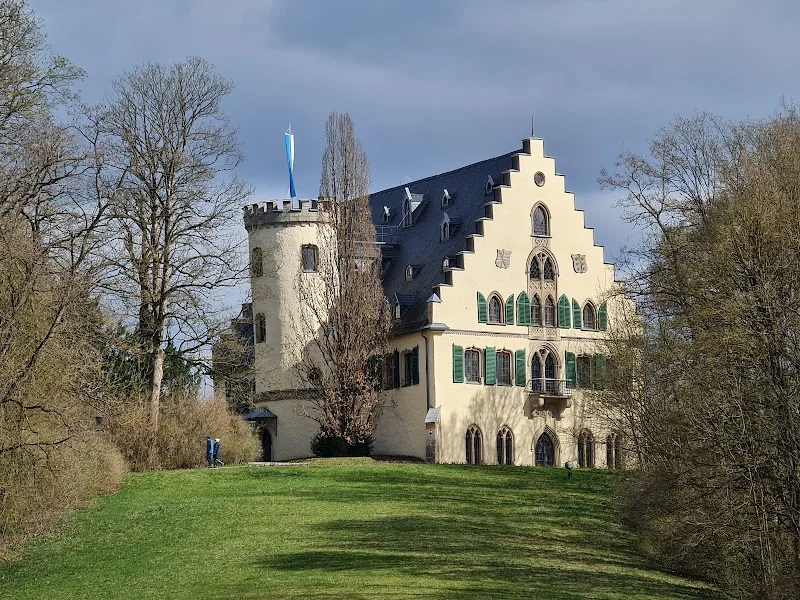
Schloss Rosenau in Rödental near Coburg is an authentic place where European history meets the idyllic landscape of Upper Franconia. The castle, which is medieval at its core, was transformed into a neo-Gothic summer residence in the early 19th century and is considered the birthplace and childhood home of Prince Albert of Saxe-Coburg and Gotha, the later husband of Queen Victoria. Today, visits are only possible as part of hourly guided tours, while the expansive park remains freely accessible year-round. Directly opposite the orangery, the European Museum of Modern Glass presents contemporary glass art in a new building opened in 2008. Convenient for guests: around 70 car parking spaces and five bus parking spaces are located on the premises, and a roughly 30-minute walk from Rödental train station leads through the Itztal to the site. Whether for a spontaneous weekend trip, educational journey, or stylish event – the Rosenau combines historical original rooms, park romance, and museum highlights into a versatile excursion destination.
Guided Tours and Visits: Experience Schloss Rosenau from the Inside
If you want to admire the Rosenau not just from the outside but also experience its authentic interiors and stories, a guided tour is essential. The entire interior of the castle is accessible only as part of guided tours – a concept that ensures careful handling of the historical building fabric and original furnishings. Tours begin on the hour; the last tour starts in the summer half-year, from April 1 to October 5, at 5:00 PM, and in the winter half-year, from October 6 to March 31, at 3:00 PM. The castle is generally closed on Mondays; exceptions include certain holidays such as January 6 (Epiphany), Easter Monday, and Whit Monday. On New Year's Day, Shrove Tuesday, and December 24, 25, and 31, the house remains closed. These clear times help with daily planning and ensure that visitors can experience the highlights in a concentrated manner. The one-hour tour takes you through the two lower floors, where colorful room decorations, original Viennese Biedermeier furniture, and the flair of a ducal summer residence create an impressive setting. Iconic stations include the three-aisled marble hall – a representative room that vividly showcases the aesthetic demands of early neo-Gothic at the court of the Dukes of Saxe-Coburg-Saalfeld. Handouts in several languages facilitate understanding for international guests, while special themed tours depending on the season provide insights into special aspects, such as the princes' way of life or building and garden art. For groups, private tours in the park can be organized upon prior request; ideal for clubs, school classes, or travel groups wishing to delve deeper into the content. Tip for families: Throughout the year, there are formats with a focus on children, where young visitors can take on roles, discover historical games, or taste chocolate at a laid table according to historical recipes – experiences that make history immediately tangible. Those who want to remain flexible should plan their arrival to arrive just before the hour; spontaneous participation is usually possible, although some advance notice is advisable on busy days. Tours are intentionally designed for manageable group sizes to allow for questions and to focus on details.
Opening Hours, Admission, and Tickets: What You Should Know for Your Visit
The visitor rhythm at the Rosenau follows clear, easily memorable rules: In the summer half-year (April 1 to October 5), the castle is open daily except Mondays from 9:00 AM to 6:00 PM; in the winter half-year (October 6 to March 31), daily except Mondays from 10:00 AM to 4:00 PM. During these time windows, tours start hourly; the last tour begins in the warm season at 5:00 PM, and in the cold season at 3:00 PM. The park remains freely accessible year-round – an advantage if you arrive early, prefer to take a walk, or want to combine a visit to the glass museum with a stroll in the green. For 2025, the admission prices are transparent: 5 euros regular, 4 euros reduced; children and teenagers under 18 visit the castle free of charge. Attractive for culture enthusiasts are the combined tickets: The combination ticket for Schloss Ehrenburg + Schloss Rosenau costs 8 euros regular (7 euros reduced). With the combined ticket “Rosenau” (Schloss Rosenau + European Museum of Modern Glass), you get both highlights in the park for 9 euros. Those who want to explore the entire Coburg museum landscape can choose the combined ticket “Coburg” (Ehrenburg, Veste Coburg, Glass Museum, Rosenau, and Natural History Museum) for 15 euros. These models make the region planable, even for families combining day trips. Important: The ticket office is located at the castle; since tours take place exclusively with accompaniment, separate time slots are sensible. Demand is higher during holidays and weekends, so an early arrival is worthwhile. Accessibility note: The castle's interior is historically not fully accessible; information on accessibility and alternatives (handouts, park tours) is provided by the administration. Those who prefer to explore without time pressure can take advantage of the generous opening hours of the park, explore the grid garden between the orangery and the glass museum, or enjoy the viewing terrace overlooking the Itztal. For photography fans, the early morning hours and late afternoon light are ideal – then the sun bathes facades, balustrades, and flower parterres in particularly soft light.
Park, Orangery, and Glass Museum: A Walk Between Garden Art and Contemporary Glass
The Rosenau Park frames the castle as a classic English landscape garden and offers new perspectives with meadows, groups of trees, and sight axes. Once, the area extended over about 200 hectares; today, about 36 hectares invite relaxed walks. Along the way, you will encounter historical garden architectures: The tournament column with sundial recalls courtly games, while remnants of the hermitage remind of the once-fashionable staged hermitages. Particularly appealing is the viewing terrace at the castle with flower parterre, fountain, and balustrade – here the view opens wide over the Itztal. At the lower edge of the park lies the so-called Swan Lake; nearby is also the Prince's Pond. Between the orangery and the new building of the European Museum of Modern Glass, the newly created grid garden traces the structure of the former kitchen garden. The orangery itself is an important hub: Opposite, in a museum building opened in 2008, the European Museum of Modern Glass showcases the development of studio glass since the 1960s – with vessels, objects, sculptures, and installations, the core of which consists of submissions for the Coburg Glass Prize years. Visitors can access the special exhibition room and the lamp glass studio via a glass staircase, where technology and material science come to life. Since April 2012, the basement also houses an extensive ceramic study collection that ideally complements the glass collection. Those wishing to take a break after the museum visit will find the park restaurant in the historic tea house directly at the castle. The park is freely accessible year-round – ideal for a detour with a dog (please observe leash requirements) or a break on the way between the museum, orangery, and castle. Since the terrain has steeper paths and steps in places, strollers and wheelchairs should use the wider main paths; many areas are well accessible, but some sections are only limitedly suitable. As an ensemble, the Rosenau impressively tells how architecture, garden art, and art presentation create a harmonious cultural and natural experience.
History and Special Features: From Medieval Core to Neo-Gothic Summer Residence
Schloss Rosenau is a key testimony of early neo-Gothic in the Coburg region. The medieval castle seat was transformed between 1808 and 1817 on the orders of Duke Ernst I of Saxe-Coburg-Saalfeld into a summer and country residence in the style of English-inspired Gothic. The three-aisled marble hall with its impressive spatial effect is one of the most striking interiors, while the living rooms impress with vibrant colors and original Biedermeier furniture. In these rooms, Prince Albert saw the light of day on August 26, 1819 – a biographical milestone that makes the Rosenau internationally known to this day, especially since Albert's later marriage to Queen Victoria dynastically connected the House of Coburg throughout Europe. The modernized garden area – designed as an English landscape garden – integrated the castle with meadows, groups of trees, ponds, and ornamental buildings into the surroundings and opened sight axes into the Itztal. Economic and representative ancillary functions were also planned: The orangery served to overwinter sensitive plants, while the classical tea house – now the park restaurant – set a social accent. In the 20th century, uses and responsibilities changed; today, the castle and park are under the care of the Bavarian Administration of State Palaces, Gardens, and Lakes. The restorations aim to preserve the historically grown unity of architecture, interior, and garden image. Museum pedagogy relies on guided tours instead of a free parcours – an approach that protects substance while also creating narrative spaces. From this combination of historical authenticity and visitor-friendly mediation arises the special character of the place: not a backdrop but a living history book, whose pages can be turned anew in the rhythm of tours and seasons. Those wishing to dive deeper can combine the tour with a visit to the glass museum, whose collection history is closely intertwined with the ducal holdings and impressively shows how the region has been a platform for international glass art for decades.
Access, Parking, and Services: Conveniently into the Green – and Everything Necessary On-Site
The Rosenau is quietly located in the green yet comfortably accessible. For drivers, around 70 car parking spaces and 5 bus parking spaces are available directly on the premises – ideal for day trips and travel groups. Those traveling sustainably can reach the castle well by public transport: From Rödental train station, a pleasant walk of about 30 minutes leads through the park landscape. During the week, bus lines also connect the area – such as the Rödental Green Line 2 and the Coburg city line 3; for the outbound journey, simply request a stop “Schlosspark Rosenau/Glasmuseum,” and for the return, a call bus can be ordered at least one hour in advance. In the park itself, you can orient yourself along the main paths; resting places and open meadows create space for breaks. Friends of good cuisine head to the park restaurant in the classical tea house – perfect for coffee and cake after the tour or an early dinner. A shop with a small cafeteria near the castle complements the offer. Plan your time so that you either arrive before the hour or use the park paths and the museum as waiting time. Families with children appreciate the clarity of the ensemble: short distances, clear path guidance, picnic-friendly meadows. For people with limited mobility, the largely flat part of the park is well suited; some sections are only limitedly accessible due to steps or steeper passages. In the castle itself, stairs are unavoidable; the administration is happy to advise on alternatives and best-practice routes in the terrain. Conveniently: Information sheets in several languages are available – helpful for international guests. Those wishing to take photographs should observe the administration's rules; outdoor shots are generally unproblematic, while different regulations apply indoors depending on the room and exhibition. Overall, the infrastructure is designed so that even on busy days, the visit remains relaxed.
Concerts, Room Rentals, and Special Occasions: Experience Culture Between Marble Hall and Orangery
Apart from regular guided tours, the Rosenau awakens as an atmospheric backdrop for cultural evenings, readings, receptions, or private celebrations. Two locations stand out: the marble hall in the castle and the old orangery in the park. The marble hall is suitable for concerts and ceremonial events with up to 120 people – acoustically clear, visually impressive, with the charm of an authentic historical room. Those needing more space or flexible seating arrangements can use the old orangery: For standing receptions or row seating, events with up to 200 guests are possible; banquet seating is designated for up to 100 people. This creates room for chamber concerts, award ceremonies, gala dinners, exhibitions, and family celebrations. Rentals are handled by the Coburg Palace and Garden Administration, which also provides advice on technology, procedures, and possible requirements. For cultural formats (concerts, theater, readings, exhibitions), the administration offers reduced rental conditions; exact details on rates, ancillary costs, and time slots are communicated on a case-by-case basis. The park restaurant can be integrated into the culinary offerings – from a champagne reception outdoors to accompanying catering. Thanks to short distances between the castle, orangery, park terrace, and parking lot, logistics remain manageable. Each season has its charm: spring concerts benefit from flowering ribbons in the parterre, summer evenings from warm light and long twilights, autumn events from vibrant colors in the treetops. In winter, clear air and quiet paths create a special atmosphere that harmoniously connects with exhibitions or readings. Those planning as organizers should consider the timing of tours, the need for museum protection, and the rules for setup and teardown early on. For visitors, it is worth checking regional event calendars: In addition to regular tours, themed days and activities frequently appear – from family programs to anniversary formats – that make the place experienceable from new perspectives.
“Schloss Rosenau Austria”? How to Avoid Confusions
The search query “Schloss Rosenau Austria” often appears alongside terms like “Schloss Rosenau Rödental” or “Schloss Rosenau (Coburg)” – understandable, as there is indeed another Schloss Rosenau in the Austrian Waldviertel. For your visit to Upper Franconia, it is important: The Schloss Rosenau described here is located in Rödental near Coburg in Bavaria. It is the birthplace of Prince Albert and part of an ensemble with a park, orangery, park restaurant, and the European Museum of Modern Glass. When searching online, pay attention to the addition “Rödental,” “Coburg,” or the postal address “Rosenau 1, 96472 Rödental.” Also, indications like “Park Rosenau,” “Itztal,” “European Museum of Modern Glass,” or “Bavarian Palace Administration” clearly point to the Bavarian location. Events like Christmas markets are sometimes vaguely labeled online; therefore, check date and location details in regional calendars and on the pages of the responsible administration. In case of doubt, a quick look at the map helps: The Bavarian castle is located a few kilometers north of Coburg, nestled in a park with lake and meadow landscapes. Those interested in both Rosenau castles can, of course, also visit the Austrian counterpart – they differ significantly in style and history. For planning in Rödental: hourly tours, park freely accessible, parking on-site – and the glass museum directly opposite the orangery as an additional highlight. With this clarity, you can avoid detours and enjoy your stay where Prince Albert's story began.
Sources:
- Bavarian Palace Administration – Schloss Rosenau (Opening Hours, Tours, Park, Address)
- Coburg Castles – Opening Hours/Tours (Rosenau & Ehrenburg)
- European Museum of Modern Glass – Museum Profile (New Building 2008, 1,260 m², Collections)
- European Museum of Modern Glass – Directions (Bus Lines, Stop Request, Call Bus)
- Bavarian Palace Administration – Rosenau Park (Parking, 70 Cars/5 Buses, Service)
- Bavarian Palace Administration – Event Rooms Coburg (Marble Hall/Orangery Capacities)
- City of Rödental – Attractions (Glass Museum in Rosenau Park, Permanent Exhibition)
- Event Portal Coburg – Program Example Schloss Rosenau (Family Tour, 2025)
Mehr anzeigenWeniger anzeigen
Schloss Rosenau | Tours & Opening Hours
Schloss Rosenau in Rödental near Coburg is an authentic place where European history meets the idyllic landscape of Upper Franconia. The castle, which is medieval at its core, was transformed into a neo-Gothic summer residence in the early 19th century and is considered the birthplace and childhood home of Prince Albert of Saxe-Coburg and Gotha, the later husband of Queen Victoria. Today, visits are only possible as part of hourly guided tours, while the expansive park remains freely accessible year-round. Directly opposite the orangery, the European Museum of Modern Glass presents contemporary glass art in a new building opened in 2008. Convenient for guests: around 70 car parking spaces and five bus parking spaces are located on the premises, and a roughly 30-minute walk from Rödental train station leads through the Itztal to the site. Whether for a spontaneous weekend trip, educational journey, or stylish event – the Rosenau combines historical original rooms, park romance, and museum highlights into a versatile excursion destination.
Guided Tours and Visits: Experience Schloss Rosenau from the Inside
If you want to admire the Rosenau not just from the outside but also experience its authentic interiors and stories, a guided tour is essential. The entire interior of the castle is accessible only as part of guided tours – a concept that ensures careful handling of the historical building fabric and original furnishings. Tours begin on the hour; the last tour starts in the summer half-year, from April 1 to October 5, at 5:00 PM, and in the winter half-year, from October 6 to March 31, at 3:00 PM. The castle is generally closed on Mondays; exceptions include certain holidays such as January 6 (Epiphany), Easter Monday, and Whit Monday. On New Year's Day, Shrove Tuesday, and December 24, 25, and 31, the house remains closed. These clear times help with daily planning and ensure that visitors can experience the highlights in a concentrated manner. The one-hour tour takes you through the two lower floors, where colorful room decorations, original Viennese Biedermeier furniture, and the flair of a ducal summer residence create an impressive setting. Iconic stations include the three-aisled marble hall – a representative room that vividly showcases the aesthetic demands of early neo-Gothic at the court of the Dukes of Saxe-Coburg-Saalfeld. Handouts in several languages facilitate understanding for international guests, while special themed tours depending on the season provide insights into special aspects, such as the princes' way of life or building and garden art. For groups, private tours in the park can be organized upon prior request; ideal for clubs, school classes, or travel groups wishing to delve deeper into the content. Tip for families: Throughout the year, there are formats with a focus on children, where young visitors can take on roles, discover historical games, or taste chocolate at a laid table according to historical recipes – experiences that make history immediately tangible. Those who want to remain flexible should plan their arrival to arrive just before the hour; spontaneous participation is usually possible, although some advance notice is advisable on busy days. Tours are intentionally designed for manageable group sizes to allow for questions and to focus on details.
Opening Hours, Admission, and Tickets: What You Should Know for Your Visit
The visitor rhythm at the Rosenau follows clear, easily memorable rules: In the summer half-year (April 1 to October 5), the castle is open daily except Mondays from 9:00 AM to 6:00 PM; in the winter half-year (October 6 to March 31), daily except Mondays from 10:00 AM to 4:00 PM. During these time windows, tours start hourly; the last tour begins in the warm season at 5:00 PM, and in the cold season at 3:00 PM. The park remains freely accessible year-round – an advantage if you arrive early, prefer to take a walk, or want to combine a visit to the glass museum with a stroll in the green. For 2025, the admission prices are transparent: 5 euros regular, 4 euros reduced; children and teenagers under 18 visit the castle free of charge. Attractive for culture enthusiasts are the combined tickets: The combination ticket for Schloss Ehrenburg + Schloss Rosenau costs 8 euros regular (7 euros reduced). With the combined ticket “Rosenau” (Schloss Rosenau + European Museum of Modern Glass), you get both highlights in the park for 9 euros. Those who want to explore the entire Coburg museum landscape can choose the combined ticket “Coburg” (Ehrenburg, Veste Coburg, Glass Museum, Rosenau, and Natural History Museum) for 15 euros. These models make the region planable, even for families combining day trips. Important: The ticket office is located at the castle; since tours take place exclusively with accompaniment, separate time slots are sensible. Demand is higher during holidays and weekends, so an early arrival is worthwhile. Accessibility note: The castle's interior is historically not fully accessible; information on accessibility and alternatives (handouts, park tours) is provided by the administration. Those who prefer to explore without time pressure can take advantage of the generous opening hours of the park, explore the grid garden between the orangery and the glass museum, or enjoy the viewing terrace overlooking the Itztal. For photography fans, the early morning hours and late afternoon light are ideal – then the sun bathes facades, balustrades, and flower parterres in particularly soft light.
Park, Orangery, and Glass Museum: A Walk Between Garden Art and Contemporary Glass
The Rosenau Park frames the castle as a classic English landscape garden and offers new perspectives with meadows, groups of trees, and sight axes. Once, the area extended over about 200 hectares; today, about 36 hectares invite relaxed walks. Along the way, you will encounter historical garden architectures: The tournament column with sundial recalls courtly games, while remnants of the hermitage remind of the once-fashionable staged hermitages. Particularly appealing is the viewing terrace at the castle with flower parterre, fountain, and balustrade – here the view opens wide over the Itztal. At the lower edge of the park lies the so-called Swan Lake; nearby is also the Prince's Pond. Between the orangery and the new building of the European Museum of Modern Glass, the newly created grid garden traces the structure of the former kitchen garden. The orangery itself is an important hub: Opposite, in a museum building opened in 2008, the European Museum of Modern Glass showcases the development of studio glass since the 1960s – with vessels, objects, sculptures, and installations, the core of which consists of submissions for the Coburg Glass Prize years. Visitors can access the special exhibition room and the lamp glass studio via a glass staircase, where technology and material science come to life. Since April 2012, the basement also houses an extensive ceramic study collection that ideally complements the glass collection. Those wishing to take a break after the museum visit will find the park restaurant in the historic tea house directly at the castle. The park is freely accessible year-round – ideal for a detour with a dog (please observe leash requirements) or a break on the way between the museum, orangery, and castle. Since the terrain has steeper paths and steps in places, strollers and wheelchairs should use the wider main paths; many areas are well accessible, but some sections are only limitedly suitable. As an ensemble, the Rosenau impressively tells how architecture, garden art, and art presentation create a harmonious cultural and natural experience.
History and Special Features: From Medieval Core to Neo-Gothic Summer Residence
Schloss Rosenau is a key testimony of early neo-Gothic in the Coburg region. The medieval castle seat was transformed between 1808 and 1817 on the orders of Duke Ernst I of Saxe-Coburg-Saalfeld into a summer and country residence in the style of English-inspired Gothic. The three-aisled marble hall with its impressive spatial effect is one of the most striking interiors, while the living rooms impress with vibrant colors and original Biedermeier furniture. In these rooms, Prince Albert saw the light of day on August 26, 1819 – a biographical milestone that makes the Rosenau internationally known to this day, especially since Albert's later marriage to Queen Victoria dynastically connected the House of Coburg throughout Europe. The modernized garden area – designed as an English landscape garden – integrated the castle with meadows, groups of trees, ponds, and ornamental buildings into the surroundings and opened sight axes into the Itztal. Economic and representative ancillary functions were also planned: The orangery served to overwinter sensitive plants, while the classical tea house – now the park restaurant – set a social accent. In the 20th century, uses and responsibilities changed; today, the castle and park are under the care of the Bavarian Administration of State Palaces, Gardens, and Lakes. The restorations aim to preserve the historically grown unity of architecture, interior, and garden image. Museum pedagogy relies on guided tours instead of a free parcours – an approach that protects substance while also creating narrative spaces. From this combination of historical authenticity and visitor-friendly mediation arises the special character of the place: not a backdrop but a living history book, whose pages can be turned anew in the rhythm of tours and seasons. Those wishing to dive deeper can combine the tour with a visit to the glass museum, whose collection history is closely intertwined with the ducal holdings and impressively shows how the region has been a platform for international glass art for decades.
Access, Parking, and Services: Conveniently into the Green – and Everything Necessary On-Site
The Rosenau is quietly located in the green yet comfortably accessible. For drivers, around 70 car parking spaces and 5 bus parking spaces are available directly on the premises – ideal for day trips and travel groups. Those traveling sustainably can reach the castle well by public transport: From Rödental train station, a pleasant walk of about 30 minutes leads through the park landscape. During the week, bus lines also connect the area – such as the Rödental Green Line 2 and the Coburg city line 3; for the outbound journey, simply request a stop “Schlosspark Rosenau/Glasmuseum,” and for the return, a call bus can be ordered at least one hour in advance. In the park itself, you can orient yourself along the main paths; resting places and open meadows create space for breaks. Friends of good cuisine head to the park restaurant in the classical tea house – perfect for coffee and cake after the tour or an early dinner. A shop with a small cafeteria near the castle complements the offer. Plan your time so that you either arrive before the hour or use the park paths and the museum as waiting time. Families with children appreciate the clarity of the ensemble: short distances, clear path guidance, picnic-friendly meadows. For people with limited mobility, the largely flat part of the park is well suited; some sections are only limitedly accessible due to steps or steeper passages. In the castle itself, stairs are unavoidable; the administration is happy to advise on alternatives and best-practice routes in the terrain. Conveniently: Information sheets in several languages are available – helpful for international guests. Those wishing to take photographs should observe the administration's rules; outdoor shots are generally unproblematic, while different regulations apply indoors depending on the room and exhibition. Overall, the infrastructure is designed so that even on busy days, the visit remains relaxed.
Concerts, Room Rentals, and Special Occasions: Experience Culture Between Marble Hall and Orangery
Apart from regular guided tours, the Rosenau awakens as an atmospheric backdrop for cultural evenings, readings, receptions, or private celebrations. Two locations stand out: the marble hall in the castle and the old orangery in the park. The marble hall is suitable for concerts and ceremonial events with up to 120 people – acoustically clear, visually impressive, with the charm of an authentic historical room. Those needing more space or flexible seating arrangements can use the old orangery: For standing receptions or row seating, events with up to 200 guests are possible; banquet seating is designated for up to 100 people. This creates room for chamber concerts, award ceremonies, gala dinners, exhibitions, and family celebrations. Rentals are handled by the Coburg Palace and Garden Administration, which also provides advice on technology, procedures, and possible requirements. For cultural formats (concerts, theater, readings, exhibitions), the administration offers reduced rental conditions; exact details on rates, ancillary costs, and time slots are communicated on a case-by-case basis. The park restaurant can be integrated into the culinary offerings – from a champagne reception outdoors to accompanying catering. Thanks to short distances between the castle, orangery, park terrace, and parking lot, logistics remain manageable. Each season has its charm: spring concerts benefit from flowering ribbons in the parterre, summer evenings from warm light and long twilights, autumn events from vibrant colors in the treetops. In winter, clear air and quiet paths create a special atmosphere that harmoniously connects with exhibitions or readings. Those planning as organizers should consider the timing of tours, the need for museum protection, and the rules for setup and teardown early on. For visitors, it is worth checking regional event calendars: In addition to regular tours, themed days and activities frequently appear – from family programs to anniversary formats – that make the place experienceable from new perspectives.
“Schloss Rosenau Austria”? How to Avoid Confusions
The search query “Schloss Rosenau Austria” often appears alongside terms like “Schloss Rosenau Rödental” or “Schloss Rosenau (Coburg)” – understandable, as there is indeed another Schloss Rosenau in the Austrian Waldviertel. For your visit to Upper Franconia, it is important: The Schloss Rosenau described here is located in Rödental near Coburg in Bavaria. It is the birthplace of Prince Albert and part of an ensemble with a park, orangery, park restaurant, and the European Museum of Modern Glass. When searching online, pay attention to the addition “Rödental,” “Coburg,” or the postal address “Rosenau 1, 96472 Rödental.” Also, indications like “Park Rosenau,” “Itztal,” “European Museum of Modern Glass,” or “Bavarian Palace Administration” clearly point to the Bavarian location. Events like Christmas markets are sometimes vaguely labeled online; therefore, check date and location details in regional calendars and on the pages of the responsible administration. In case of doubt, a quick look at the map helps: The Bavarian castle is located a few kilometers north of Coburg, nestled in a park with lake and meadow landscapes. Those interested in both Rosenau castles can, of course, also visit the Austrian counterpart – they differ significantly in style and history. For planning in Rödental: hourly tours, park freely accessible, parking on-site – and the glass museum directly opposite the orangery as an additional highlight. With this clarity, you can avoid detours and enjoy your stay where Prince Albert's story began.
Sources:
- Bavarian Palace Administration – Schloss Rosenau (Opening Hours, Tours, Park, Address)
- Coburg Castles – Opening Hours/Tours (Rosenau & Ehrenburg)
- European Museum of Modern Glass – Museum Profile (New Building 2008, 1,260 m², Collections)
- European Museum of Modern Glass – Directions (Bus Lines, Stop Request, Call Bus)
- Bavarian Palace Administration – Rosenau Park (Parking, 70 Cars/5 Buses, Service)
- Bavarian Palace Administration – Event Rooms Coburg (Marble Hall/Orangery Capacities)
- City of Rödental – Attractions (Glass Museum in Rosenau Park, Permanent Exhibition)
- Event Portal Coburg – Program Example Schloss Rosenau (Family Tour, 2025)
Schloss Rosenau | Tours & Opening Hours
Schloss Rosenau in Rödental near Coburg is an authentic place where European history meets the idyllic landscape of Upper Franconia. The castle, which is medieval at its core, was transformed into a neo-Gothic summer residence in the early 19th century and is considered the birthplace and childhood home of Prince Albert of Saxe-Coburg and Gotha, the later husband of Queen Victoria. Today, visits are only possible as part of hourly guided tours, while the expansive park remains freely accessible year-round. Directly opposite the orangery, the European Museum of Modern Glass presents contemporary glass art in a new building opened in 2008. Convenient for guests: around 70 car parking spaces and five bus parking spaces are located on the premises, and a roughly 30-minute walk from Rödental train station leads through the Itztal to the site. Whether for a spontaneous weekend trip, educational journey, or stylish event – the Rosenau combines historical original rooms, park romance, and museum highlights into a versatile excursion destination.
Guided Tours and Visits: Experience Schloss Rosenau from the Inside
If you want to admire the Rosenau not just from the outside but also experience its authentic interiors and stories, a guided tour is essential. The entire interior of the castle is accessible only as part of guided tours – a concept that ensures careful handling of the historical building fabric and original furnishings. Tours begin on the hour; the last tour starts in the summer half-year, from April 1 to October 5, at 5:00 PM, and in the winter half-year, from October 6 to March 31, at 3:00 PM. The castle is generally closed on Mondays; exceptions include certain holidays such as January 6 (Epiphany), Easter Monday, and Whit Monday. On New Year's Day, Shrove Tuesday, and December 24, 25, and 31, the house remains closed. These clear times help with daily planning and ensure that visitors can experience the highlights in a concentrated manner. The one-hour tour takes you through the two lower floors, where colorful room decorations, original Viennese Biedermeier furniture, and the flair of a ducal summer residence create an impressive setting. Iconic stations include the three-aisled marble hall – a representative room that vividly showcases the aesthetic demands of early neo-Gothic at the court of the Dukes of Saxe-Coburg-Saalfeld. Handouts in several languages facilitate understanding for international guests, while special themed tours depending on the season provide insights into special aspects, such as the princes' way of life or building and garden art. For groups, private tours in the park can be organized upon prior request; ideal for clubs, school classes, or travel groups wishing to delve deeper into the content. Tip for families: Throughout the year, there are formats with a focus on children, where young visitors can take on roles, discover historical games, or taste chocolate at a laid table according to historical recipes – experiences that make history immediately tangible. Those who want to remain flexible should plan their arrival to arrive just before the hour; spontaneous participation is usually possible, although some advance notice is advisable on busy days. Tours are intentionally designed for manageable group sizes to allow for questions and to focus on details.
Opening Hours, Admission, and Tickets: What You Should Know for Your Visit
The visitor rhythm at the Rosenau follows clear, easily memorable rules: In the summer half-year (April 1 to October 5), the castle is open daily except Mondays from 9:00 AM to 6:00 PM; in the winter half-year (October 6 to March 31), daily except Mondays from 10:00 AM to 4:00 PM. During these time windows, tours start hourly; the last tour begins in the warm season at 5:00 PM, and in the cold season at 3:00 PM. The park remains freely accessible year-round – an advantage if you arrive early, prefer to take a walk, or want to combine a visit to the glass museum with a stroll in the green. For 2025, the admission prices are transparent: 5 euros regular, 4 euros reduced; children and teenagers under 18 visit the castle free of charge. Attractive for culture enthusiasts are the combined tickets: The combination ticket for Schloss Ehrenburg + Schloss Rosenau costs 8 euros regular (7 euros reduced). With the combined ticket “Rosenau” (Schloss Rosenau + European Museum of Modern Glass), you get both highlights in the park for 9 euros. Those who want to explore the entire Coburg museum landscape can choose the combined ticket “Coburg” (Ehrenburg, Veste Coburg, Glass Museum, Rosenau, and Natural History Museum) for 15 euros. These models make the region planable, even for families combining day trips. Important: The ticket office is located at the castle; since tours take place exclusively with accompaniment, separate time slots are sensible. Demand is higher during holidays and weekends, so an early arrival is worthwhile. Accessibility note: The castle's interior is historically not fully accessible; information on accessibility and alternatives (handouts, park tours) is provided by the administration. Those who prefer to explore without time pressure can take advantage of the generous opening hours of the park, explore the grid garden between the orangery and the glass museum, or enjoy the viewing terrace overlooking the Itztal. For photography fans, the early morning hours and late afternoon light are ideal – then the sun bathes facades, balustrades, and flower parterres in particularly soft light.
Park, Orangery, and Glass Museum: A Walk Between Garden Art and Contemporary Glass
The Rosenau Park frames the castle as a classic English landscape garden and offers new perspectives with meadows, groups of trees, and sight axes. Once, the area extended over about 200 hectares; today, about 36 hectares invite relaxed walks. Along the way, you will encounter historical garden architectures: The tournament column with sundial recalls courtly games, while remnants of the hermitage remind of the once-fashionable staged hermitages. Particularly appealing is the viewing terrace at the castle with flower parterre, fountain, and balustrade – here the view opens wide over the Itztal. At the lower edge of the park lies the so-called Swan Lake; nearby is also the Prince's Pond. Between the orangery and the new building of the European Museum of Modern Glass, the newly created grid garden traces the structure of the former kitchen garden. The orangery itself is an important hub: Opposite, in a museum building opened in 2008, the European Museum of Modern Glass showcases the development of studio glass since the 1960s – with vessels, objects, sculptures, and installations, the core of which consists of submissions for the Coburg Glass Prize years. Visitors can access the special exhibition room and the lamp glass studio via a glass staircase, where technology and material science come to life. Since April 2012, the basement also houses an extensive ceramic study collection that ideally complements the glass collection. Those wishing to take a break after the museum visit will find the park restaurant in the historic tea house directly at the castle. The park is freely accessible year-round – ideal for a detour with a dog (please observe leash requirements) or a break on the way between the museum, orangery, and castle. Since the terrain has steeper paths and steps in places, strollers and wheelchairs should use the wider main paths; many areas are well accessible, but some sections are only limitedly suitable. As an ensemble, the Rosenau impressively tells how architecture, garden art, and art presentation create a harmonious cultural and natural experience.
History and Special Features: From Medieval Core to Neo-Gothic Summer Residence
Schloss Rosenau is a key testimony of early neo-Gothic in the Coburg region. The medieval castle seat was transformed between 1808 and 1817 on the orders of Duke Ernst I of Saxe-Coburg-Saalfeld into a summer and country residence in the style of English-inspired Gothic. The three-aisled marble hall with its impressive spatial effect is one of the most striking interiors, while the living rooms impress with vibrant colors and original Biedermeier furniture. In these rooms, Prince Albert saw the light of day on August 26, 1819 – a biographical milestone that makes the Rosenau internationally known to this day, especially since Albert's later marriage to Queen Victoria dynastically connected the House of Coburg throughout Europe. The modernized garden area – designed as an English landscape garden – integrated the castle with meadows, groups of trees, ponds, and ornamental buildings into the surroundings and opened sight axes into the Itztal. Economic and representative ancillary functions were also planned: The orangery served to overwinter sensitive plants, while the classical tea house – now the park restaurant – set a social accent. In the 20th century, uses and responsibilities changed; today, the castle and park are under the care of the Bavarian Administration of State Palaces, Gardens, and Lakes. The restorations aim to preserve the historically grown unity of architecture, interior, and garden image. Museum pedagogy relies on guided tours instead of a free parcours – an approach that protects substance while also creating narrative spaces. From this combination of historical authenticity and visitor-friendly mediation arises the special character of the place: not a backdrop but a living history book, whose pages can be turned anew in the rhythm of tours and seasons. Those wishing to dive deeper can combine the tour with a visit to the glass museum, whose collection history is closely intertwined with the ducal holdings and impressively shows how the region has been a platform for international glass art for decades.
Access, Parking, and Services: Conveniently into the Green – and Everything Necessary On-Site
The Rosenau is quietly located in the green yet comfortably accessible. For drivers, around 70 car parking spaces and 5 bus parking spaces are available directly on the premises – ideal for day trips and travel groups. Those traveling sustainably can reach the castle well by public transport: From Rödental train station, a pleasant walk of about 30 minutes leads through the park landscape. During the week, bus lines also connect the area – such as the Rödental Green Line 2 and the Coburg city line 3; for the outbound journey, simply request a stop “Schlosspark Rosenau/Glasmuseum,” and for the return, a call bus can be ordered at least one hour in advance. In the park itself, you can orient yourself along the main paths; resting places and open meadows create space for breaks. Friends of good cuisine head to the park restaurant in the classical tea house – perfect for coffee and cake after the tour or an early dinner. A shop with a small cafeteria near the castle complements the offer. Plan your time so that you either arrive before the hour or use the park paths and the museum as waiting time. Families with children appreciate the clarity of the ensemble: short distances, clear path guidance, picnic-friendly meadows. For people with limited mobility, the largely flat part of the park is well suited; some sections are only limitedly accessible due to steps or steeper passages. In the castle itself, stairs are unavoidable; the administration is happy to advise on alternatives and best-practice routes in the terrain. Conveniently: Information sheets in several languages are available – helpful for international guests. Those wishing to take photographs should observe the administration's rules; outdoor shots are generally unproblematic, while different regulations apply indoors depending on the room and exhibition. Overall, the infrastructure is designed so that even on busy days, the visit remains relaxed.
Concerts, Room Rentals, and Special Occasions: Experience Culture Between Marble Hall and Orangery
Apart from regular guided tours, the Rosenau awakens as an atmospheric backdrop for cultural evenings, readings, receptions, or private celebrations. Two locations stand out: the marble hall in the castle and the old orangery in the park. The marble hall is suitable for concerts and ceremonial events with up to 120 people – acoustically clear, visually impressive, with the charm of an authentic historical room. Those needing more space or flexible seating arrangements can use the old orangery: For standing receptions or row seating, events with up to 200 guests are possible; banquet seating is designated for up to 100 people. This creates room for chamber concerts, award ceremonies, gala dinners, exhibitions, and family celebrations. Rentals are handled by the Coburg Palace and Garden Administration, which also provides advice on technology, procedures, and possible requirements. For cultural formats (concerts, theater, readings, exhibitions), the administration offers reduced rental conditions; exact details on rates, ancillary costs, and time slots are communicated on a case-by-case basis. The park restaurant can be integrated into the culinary offerings – from a champagne reception outdoors to accompanying catering. Thanks to short distances between the castle, orangery, park terrace, and parking lot, logistics remain manageable. Each season has its charm: spring concerts benefit from flowering ribbons in the parterre, summer evenings from warm light and long twilights, autumn events from vibrant colors in the treetops. In winter, clear air and quiet paths create a special atmosphere that harmoniously connects with exhibitions or readings. Those planning as organizers should consider the timing of tours, the need for museum protection, and the rules for setup and teardown early on. For visitors, it is worth checking regional event calendars: In addition to regular tours, themed days and activities frequently appear – from family programs to anniversary formats – that make the place experienceable from new perspectives.
“Schloss Rosenau Austria”? How to Avoid Confusions
The search query “Schloss Rosenau Austria” often appears alongside terms like “Schloss Rosenau Rödental” or “Schloss Rosenau (Coburg)” – understandable, as there is indeed another Schloss Rosenau in the Austrian Waldviertel. For your visit to Upper Franconia, it is important: The Schloss Rosenau described here is located in Rödental near Coburg in Bavaria. It is the birthplace of Prince Albert and part of an ensemble with a park, orangery, park restaurant, and the European Museum of Modern Glass. When searching online, pay attention to the addition “Rödental,” “Coburg,” or the postal address “Rosenau 1, 96472 Rödental.” Also, indications like “Park Rosenau,” “Itztal,” “European Museum of Modern Glass,” or “Bavarian Palace Administration” clearly point to the Bavarian location. Events like Christmas markets are sometimes vaguely labeled online; therefore, check date and location details in regional calendars and on the pages of the responsible administration. In case of doubt, a quick look at the map helps: The Bavarian castle is located a few kilometers north of Coburg, nestled in a park with lake and meadow landscapes. Those interested in both Rosenau castles can, of course, also visit the Austrian counterpart – they differ significantly in style and history. For planning in Rödental: hourly tours, park freely accessible, parking on-site – and the glass museum directly opposite the orangery as an additional highlight. With this clarity, you can avoid detours and enjoy your stay where Prince Albert's story began.
Sources:
- Bavarian Palace Administration – Schloss Rosenau (Opening Hours, Tours, Park, Address)
- Coburg Castles – Opening Hours/Tours (Rosenau & Ehrenburg)
- European Museum of Modern Glass – Museum Profile (New Building 2008, 1,260 m², Collections)
- European Museum of Modern Glass – Directions (Bus Lines, Stop Request, Call Bus)
- Bavarian Palace Administration – Rosenau Park (Parking, 70 Cars/5 Buses, Service)
- Bavarian Palace Administration – Event Rooms Coburg (Marble Hall/Orangery Capacities)
- City of Rödental – Attractions (Glass Museum in Rosenau Park, Permanent Exhibition)
- Event Portal Coburg – Program Example Schloss Rosenau (Family Tour, 2025)
Upcoming Events
No events found
Frequently Asked Questions
Reviews
Birgit Verwiebe
15. October 2025
Beautifully renovated little castle that you absolutely have to see from the inside with a guided tour. The very friendly tour guide showed us the rooms and she knew, I believe, everything about Prince Albert and Queen Victoria and the entire noble family. She could tell many interesting details, so the hour flew by. The park is very large and well-maintained. There are colorful beautiful flower beds and huge palm trees by the orangery.
strombube
8. September 2025
Very beautiful castle with a museum, definitely worth a visit. Unfortunately, it's currently under renovation.
Sebastian V
9. June 2025
Beautiful castle with a quaint park, perfect for a relaxing walk. The European Glass Museum is nearby – both can be wonderfully combined.
Petra Fischer
7. September 2025
Worth a walk. You can discover so many things when the weather is like today.
Simona Italia
18. July 2021
Very beautiful castle with a well-maintained park. Unfortunately, the castle cannot be visited from the inside at the moment. However, there is still plenty to see in the park, such as the swan lake, the grotto, and the sundials. Nice walk and at the end of the park, there's a lovely playground for kids.