
Seßlach
96145 Seßlach, Deutschland
City Wall of Seßlach | Old Town & City Tours
The city wall of Seßlach is much more than a beautiful photo opportunity: it is the backbone of an old town that still appears cohesive and vibrant today. Three gates, watchtowers, and a completely preserved city enclosure shape the image of this town in Upper Franconia, which was officially mentioned around the year 800 and was granted city status in 1335. Those who visit Seßlach do not experience an isolated sight, but a historical ensemble of walls, alleys, half-timbered houses, church and administrative buildings, small squares, and quiet corners. For many visitors, the city wall is the first and most important access to the city's history, as it frames the experience and makes the medieval character immediately tangible. Located between Coburg and Bamberg, Seßlach is considered one of the most significant historical city centers in Germany and one of the most beautiful old towns in Upper Franconia. This mix of authenticity, clarity, and unobtrusive atmosphere makes the place particularly pleasant for a day trip, a weekend stroll, or a relaxed stopover on a journey through Franconia. ([sesslach.de](https://www.sesslach.de/index.php/sehenswertes-besonderes?utm_source=openai))
City Wall and City Gates in Seßlach
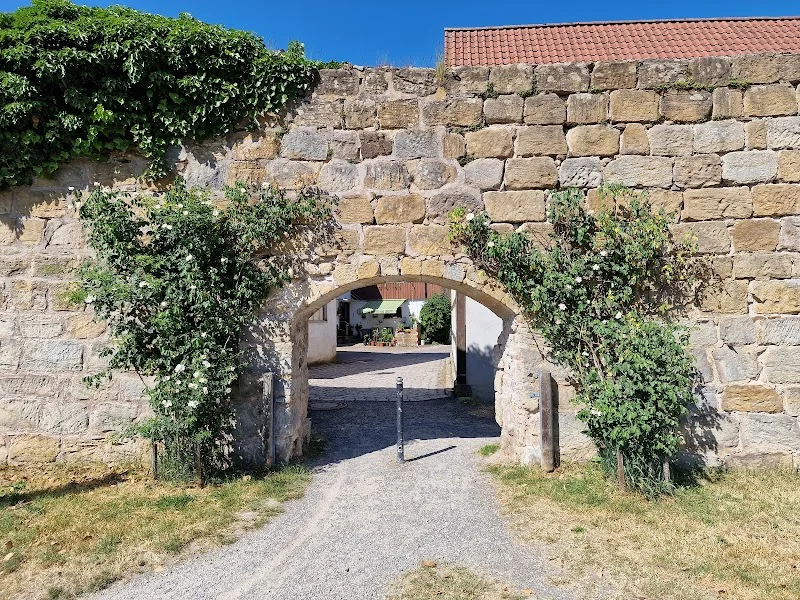
To understand the city wall of Seßlach, one should first consider the overall picture. The old town is enclosed by an intact city wall with watchtowers and three gates; the complete wall section has a total length of 780 meters, according to the Franconian Tourism Association. This compact form makes the walk so enjoyable: one does not get lost in an anonymous urban backdrop but moves through a historically grown structure that has visibly preserved its boundaries. It is particularly impressive that the fortification not only serves a decorative purpose but also spatially encompasses the city to this day. Official information describes that the gates are closed on weekends, and one can only enter the city on foot during that time. For visitors, this means a quiet, almost decelerated atmosphere, where the historical core is not dominated by car traffic. Pedestrians can still enter through gaps in the city wall and city gates, making the impression of a medieval town very tangible. ([sesslach.de](https://www.sesslach.de/index.php/sehenswertes-besonderes?utm_source=openai))
The history of the city wall is closely linked to the development of Seßlach as a fortified town. The place is documented as early as 800, and with the elevation to city status by Emperor Ludwig the Bavarian in 1335, Seßlach gained new urban and political significance. The later fortifications were part of a medieval urban structure designed for protection, order, and visibility. In the ISEK material of the city, fortifications with a moat are explicitly mentioned, and even today, the old town conveys the impression that the boundary between inside and outside has been consciously preserved. For visitors, this is not a dry textbook topic but directly experienceable: the wall directs the gaze, organizes the urban space, and creates that clear form that makes Seßlach so distinctive. Additionally, the special presentation of the three gates is noteworthy. They are not just architectural passages but visual markers of the place. Especially in connection with the closed gates on weekends, a feeling of retreat, security, and tranquility arises, distinguishing Seßlach from many other places. ([sesslach.de](https://www.sesslach.de/index.php/sehenswertes-besonderes?utm_source=openai))
Old Town, Half-Timbered Houses, and Franconian Architectural Culture
The Seßlach city wall is even more striking because it does not stand alone but encompasses an exceptionally well-preserved old town. Official city information emphasizes the numerous lovingly renovated half-timbered houses and historical buildings within the ring. These include, among others, the former district court, the royal Bavarian salt factory, and the old grain storage floor. Those who experience Seßlach not only at the wall but also within it quickly realize that different epochs come together in close quarters. The streets and squares remain manageable, the houses are small-scale, and the architecture tells of administration, crafts, religion, and everyday life. The impression is particularly strong when exploring the old town on foot and moving between the wall, half-timbered facades, and smaller public buildings. This creates not a museum-like backdrop but a real place that visibly carries its history while being inhabited and used. This connection between monument and everyday life is the central experience for many visitors. Seßlach is therefore rightly described in tourism communication as a gem in the Coburg region. ([sesslach.de](https://www.sesslach.de/index.php/sehenswertes-besonderes?utm_source=openai))
Another important aspect is the integration into the German Half-Timbered Road. Seßlach is one of 16 cities on the Franconian regional route of this road, which further underscores the significance of the place for half-timbered house enthusiasts. The official description highlights that the houses within the city wall are adorned with special colors, elaborate carvings, and St. Andrew's crosses, and that many lovingly crafted details can be discovered on the corner posts and facades. This is precisely where the charm of a visit lies: one does not only look at an overall picture but discovers the nuances of architectural culture step by step. The location of the old town also enhances this impression. Nestled in gentle hills, Seßlach lies between Coburg and Bamberg, in a landscape that does not overwhelm the historical cityscape but supports it. The combination of the wall ring, half-timbering, and landscape embedding creates a cohesive, harmonious experience that is equally suitable for walks, photo tours, and quiet city visits. Those interested in historical city centers will gain a rare authentic impression of Franconian architectural and settlement history here. ([sesslach.de](https://www.sesslach.de/index.php/stadtinfo/staedtepartnerschaften?utm_source=openai))
Access and Parking at the City Wall
For a relaxed visit to the city wall of Seßlach, planning the journey is pleasantly straightforward as long as one knows the local regulations. The city explicitly points out that there are numerous free parking spaces around the old town. From there, the city center can be reached in just a few minutes on foot, which is a significant advantage for a historical city center. However, those heading directly to the old town should note that specific parking rules apply within the wall ring. According to the city, parking in the old town is only allowed from Monday to Friday between 07:00 and 19:00 and on Saturdays from 07:00 to 14:00 with a parking disc for two hours. On weekends and public holidays, access to the old town is only permitted for residents. For visitors, this means: it is best to park outside the old town and enjoy the short walk on foot. This short distance also fits the character of the place, as approaching the city wall is already part of the experience. One does not enter an anonymous pedestrian zone at speed but steps gradually into a clearly defined historical space. ([sesslach.de](https://www.sesslach.de/index.php/infos-service?utm_source=openai))
Also practical is the tourist infrastructure on site. The Tourist Information of the city of Seßlach is located in the Old School or in the Local and City Museum at Luitpoldstraße 3, ground floor right. There, visitors receive current information, details about city tours, and further tips for the walk. The official city website also lists organized opening hours, allowing one to combine the visit well with a detour into the old town. Especially for those with little time, the compact location is beneficial: park outside, walk in, experience the gates and walls, and then return to the car through the historical squares. This feels relaxed, unhurried, and suitable for families, day visitors, and travelers passing through. Additionally, the city wall itself functions not as a barrier but as a guide. It makes paths visible, shields traffic, and helps to experience the old town as a cohesive ensemble. Therefore, those looking for a journey with little stress and a clear, short walk will find in Seßlach a very user-friendly destination with historical depth. ([sesslach.de](https://www.sesslach.de/index.php/sehenswertes-besonderes?utm_source=openai))
City Tours, Walks, and Visiting Hours
The best way to experience the city wall of Seßlach is through a walk with an eye for details. The city offers official city tours, and the website lists regular scheduled tours. This is particularly helpful because Seßlach concentrates a lot of history in a small space: walls, city gates, half-timbering, historical administrative and economic buildings, small squares, and traces of a long urban development. A guided tour organizes these elements, explains connections, and shows how the city fortification continues to shape the place today. However, those who prefer to explore on their own can also navigate the old town well. Especially because the city is closed and clear, the walk works intuitively. The gates, the wall, and the alleys form a kind of natural course that invites slow walking. It is particularly appealing to visit Seßlach at times when the city gates are closed, as this enhances the feeling of a closed medieval town. Visitors walk on foot, hear less traffic, and experience the space more as a historical whole. This calm perception is one of the greatest strengths of the place. ([sesslach.de](https://www.sesslach.de/index.php/stadtfuehrungen-in-sesslach?utm_source=openai))
The official information about the old town also shows how carefully Seßlach treats its historical structure. The city informs that on weekends, two of the three city gates are closed and that pedestrians can then enter through gaps in the city wall and gates. This is not only practical but also creates a special atmosphere: the city remains accessible but simultaneously appears protected and decelerated. Those who walk around the wall or cross the old town in peace get an immediate impression of the proportions and the interplay between fortification and buildings. For many visitors, this is precisely the moment when Seßlach reveals its charm. It is not the individual monument that stands out, but the interplay of path, gate, facades, and sequence of squares. The city tour complements this impression with historical context, while a free walk allows the atmosphere to take effect. Both are meaningful, and both fit a city whose character arises from its closed but not overloaded form. Thus, the city wall does not become a silent background but an active part of the visitor experience. ([sesslach.de](https://www.sesslach.de/index.php/infos-service?utm_source=openai))
Film Set, Markets, and Special Experiences
Another reason why the city wall of Seßlach is so popular lies in its role as a film set. The city is explicitly described on its official tourism website as a sought-after filming location. Among others, Luther, The Souls in Fire, and The Robber Hotzenplotz were filmed entirely or partially in the fascinating backdrop of the Seßlach old town. This is more than just a nice footnote for visitors, as filming locations create additional emotional connections. Walking through Seßlach, one can easily imagine how historical scenes or timeless village and city images come to life here. The wall, the alleys, and the squares do not appear artificially constructed but naturally grown. This is precisely why the old town works so well as a visual stage. It appears credible, cohesive, and detailed without being overly prominent. Those who pay attention to film locations will find numerous motifs in Seßlach and can combine their visit with a walk in the footsteps of the filming. Particularly appealing is the fact that film history and real city history intertwine. The city wall is not just a backdrop without content but an actual historical structure with a documented past. ([sesslach.de](https://www.sesslach.de/index.php/sehenswertes-besonderes/filmkulisse-stadt-sesslach?utm_source=openai))
Throughout the year, the area around the city wall remains lively. The tourism site announces a large Pentecost flea market around the city wall and in the romantic old town. Such events show that the fortification is not just a monument but also a framework for urban life, markets, and encounters. At the same time, the city of Seßlach publishes an event calendar with regular dates, allowing visitors to easily connect their trip with local events. This is important for SEO and for real visitors because it does not present the city wall as a static object but as a place with rhythm and use. Those visiting Seßlach for an event experience the combination of historical atmosphere and current vibrancy particularly vividly. This is where the charm of this place lies: one comes for the wall, stays for the old town, and later remembers the feeling of having been in a closed historical space. Whether as a day destination, as part of a Franconian journey, or as a motivating detour on a tour through Upper Franconia: Seßlach offers a compact, coherent, and authentic experience that convincingly connects history, architecture, and everyday life. ([tourismus-sesslach.de](https://www.tourismus-sesslach.de/?utm_source=openai))
Sources:
Mehr anzeigenWeniger anzeigen
City Wall of Seßlach | Old Town & City Tours
The city wall of Seßlach is much more than a beautiful photo opportunity: it is the backbone of an old town that still appears cohesive and vibrant today. Three gates, watchtowers, and a completely preserved city enclosure shape the image of this town in Upper Franconia, which was officially mentioned around the year 800 and was granted city status in 1335. Those who visit Seßlach do not experience an isolated sight, but a historical ensemble of walls, alleys, half-timbered houses, church and administrative buildings, small squares, and quiet corners. For many visitors, the city wall is the first and most important access to the city's history, as it frames the experience and makes the medieval character immediately tangible. Located between Coburg and Bamberg, Seßlach is considered one of the most significant historical city centers in Germany and one of the most beautiful old towns in Upper Franconia. This mix of authenticity, clarity, and unobtrusive atmosphere makes the place particularly pleasant for a day trip, a weekend stroll, or a relaxed stopover on a journey through Franconia. ([sesslach.de](https://www.sesslach.de/index.php/sehenswertes-besonderes?utm_source=openai))
City Wall and City Gates in Seßlach
To understand the city wall of Seßlach, one should first consider the overall picture. The old town is enclosed by an intact city wall with watchtowers and three gates; the complete wall section has a total length of 780 meters, according to the Franconian Tourism Association. This compact form makes the walk so enjoyable: one does not get lost in an anonymous urban backdrop but moves through a historically grown structure that has visibly preserved its boundaries. It is particularly impressive that the fortification not only serves a decorative purpose but also spatially encompasses the city to this day. Official information describes that the gates are closed on weekends, and one can only enter the city on foot during that time. For visitors, this means a quiet, almost decelerated atmosphere, where the historical core is not dominated by car traffic. Pedestrians can still enter through gaps in the city wall and city gates, making the impression of a medieval town very tangible. ([sesslach.de](https://www.sesslach.de/index.php/sehenswertes-besonderes?utm_source=openai))
The history of the city wall is closely linked to the development of Seßlach as a fortified town. The place is documented as early as 800, and with the elevation to city status by Emperor Ludwig the Bavarian in 1335, Seßlach gained new urban and political significance. The later fortifications were part of a medieval urban structure designed for protection, order, and visibility. In the ISEK material of the city, fortifications with a moat are explicitly mentioned, and even today, the old town conveys the impression that the boundary between inside and outside has been consciously preserved. For visitors, this is not a dry textbook topic but directly experienceable: the wall directs the gaze, organizes the urban space, and creates that clear form that makes Seßlach so distinctive. Additionally, the special presentation of the three gates is noteworthy. They are not just architectural passages but visual markers of the place. Especially in connection with the closed gates on weekends, a feeling of retreat, security, and tranquility arises, distinguishing Seßlach from many other places. ([sesslach.de](https://www.sesslach.de/index.php/sehenswertes-besonderes?utm_source=openai))
Old Town, Half-Timbered Houses, and Franconian Architectural Culture
The Seßlach city wall is even more striking because it does not stand alone but encompasses an exceptionally well-preserved old town. Official city information emphasizes the numerous lovingly renovated half-timbered houses and historical buildings within the ring. These include, among others, the former district court, the royal Bavarian salt factory, and the old grain storage floor. Those who experience Seßlach not only at the wall but also within it quickly realize that different epochs come together in close quarters. The streets and squares remain manageable, the houses are small-scale, and the architecture tells of administration, crafts, religion, and everyday life. The impression is particularly strong when exploring the old town on foot and moving between the wall, half-timbered facades, and smaller public buildings. This creates not a museum-like backdrop but a real place that visibly carries its history while being inhabited and used. This connection between monument and everyday life is the central experience for many visitors. Seßlach is therefore rightly described in tourism communication as a gem in the Coburg region. ([sesslach.de](https://www.sesslach.de/index.php/sehenswertes-besonderes?utm_source=openai))
Another important aspect is the integration into the German Half-Timbered Road. Seßlach is one of 16 cities on the Franconian regional route of this road, which further underscores the significance of the place for half-timbered house enthusiasts. The official description highlights that the houses within the city wall are adorned with special colors, elaborate carvings, and St. Andrew's crosses, and that many lovingly crafted details can be discovered on the corner posts and facades. This is precisely where the charm of a visit lies: one does not only look at an overall picture but discovers the nuances of architectural culture step by step. The location of the old town also enhances this impression. Nestled in gentle hills, Seßlach lies between Coburg and Bamberg, in a landscape that does not overwhelm the historical cityscape but supports it. The combination of the wall ring, half-timbering, and landscape embedding creates a cohesive, harmonious experience that is equally suitable for walks, photo tours, and quiet city visits. Those interested in historical city centers will gain a rare authentic impression of Franconian architectural and settlement history here. ([sesslach.de](https://www.sesslach.de/index.php/stadtinfo/staedtepartnerschaften?utm_source=openai))
Access and Parking at the City Wall
For a relaxed visit to the city wall of Seßlach, planning the journey is pleasantly straightforward as long as one knows the local regulations. The city explicitly points out that there are numerous free parking spaces around the old town. From there, the city center can be reached in just a few minutes on foot, which is a significant advantage for a historical city center. However, those heading directly to the old town should note that specific parking rules apply within the wall ring. According to the city, parking in the old town is only allowed from Monday to Friday between 07:00 and 19:00 and on Saturdays from 07:00 to 14:00 with a parking disc for two hours. On weekends and public holidays, access to the old town is only permitted for residents. For visitors, this means: it is best to park outside the old town and enjoy the short walk on foot. This short distance also fits the character of the place, as approaching the city wall is already part of the experience. One does not enter an anonymous pedestrian zone at speed but steps gradually into a clearly defined historical space. ([sesslach.de](https://www.sesslach.de/index.php/infos-service?utm_source=openai))
Also practical is the tourist infrastructure on site. The Tourist Information of the city of Seßlach is located in the Old School or in the Local and City Museum at Luitpoldstraße 3, ground floor right. There, visitors receive current information, details about city tours, and further tips for the walk. The official city website also lists organized opening hours, allowing one to combine the visit well with a detour into the old town. Especially for those with little time, the compact location is beneficial: park outside, walk in, experience the gates and walls, and then return to the car through the historical squares. This feels relaxed, unhurried, and suitable for families, day visitors, and travelers passing through. Additionally, the city wall itself functions not as a barrier but as a guide. It makes paths visible, shields traffic, and helps to experience the old town as a cohesive ensemble. Therefore, those looking for a journey with little stress and a clear, short walk will find in Seßlach a very user-friendly destination with historical depth. ([sesslach.de](https://www.sesslach.de/index.php/sehenswertes-besonderes?utm_source=openai))
City Tours, Walks, and Visiting Hours
The best way to experience the city wall of Seßlach is through a walk with an eye for details. The city offers official city tours, and the website lists regular scheduled tours. This is particularly helpful because Seßlach concentrates a lot of history in a small space: walls, city gates, half-timbering, historical administrative and economic buildings, small squares, and traces of a long urban development. A guided tour organizes these elements, explains connections, and shows how the city fortification continues to shape the place today. However, those who prefer to explore on their own can also navigate the old town well. Especially because the city is closed and clear, the walk works intuitively. The gates, the wall, and the alleys form a kind of natural course that invites slow walking. It is particularly appealing to visit Seßlach at times when the city gates are closed, as this enhances the feeling of a closed medieval town. Visitors walk on foot, hear less traffic, and experience the space more as a historical whole. This calm perception is one of the greatest strengths of the place. ([sesslach.de](https://www.sesslach.de/index.php/stadtfuehrungen-in-sesslach?utm_source=openai))
The official information about the old town also shows how carefully Seßlach treats its historical structure. The city informs that on weekends, two of the three city gates are closed and that pedestrians can then enter through gaps in the city wall and gates. This is not only practical but also creates a special atmosphere: the city remains accessible but simultaneously appears protected and decelerated. Those who walk around the wall or cross the old town in peace get an immediate impression of the proportions and the interplay between fortification and buildings. For many visitors, this is precisely the moment when Seßlach reveals its charm. It is not the individual monument that stands out, but the interplay of path, gate, facades, and sequence of squares. The city tour complements this impression with historical context, while a free walk allows the atmosphere to take effect. Both are meaningful, and both fit a city whose character arises from its closed but not overloaded form. Thus, the city wall does not become a silent background but an active part of the visitor experience. ([sesslach.de](https://www.sesslach.de/index.php/infos-service?utm_source=openai))
Film Set, Markets, and Special Experiences
Another reason why the city wall of Seßlach is so popular lies in its role as a film set. The city is explicitly described on its official tourism website as a sought-after filming location. Among others, Luther, The Souls in Fire, and The Robber Hotzenplotz were filmed entirely or partially in the fascinating backdrop of the Seßlach old town. This is more than just a nice footnote for visitors, as filming locations create additional emotional connections. Walking through Seßlach, one can easily imagine how historical scenes or timeless village and city images come to life here. The wall, the alleys, and the squares do not appear artificially constructed but naturally grown. This is precisely why the old town works so well as a visual stage. It appears credible, cohesive, and detailed without being overly prominent. Those who pay attention to film locations will find numerous motifs in Seßlach and can combine their visit with a walk in the footsteps of the filming. Particularly appealing is the fact that film history and real city history intertwine. The city wall is not just a backdrop without content but an actual historical structure with a documented past. ([sesslach.de](https://www.sesslach.de/index.php/sehenswertes-besonderes/filmkulisse-stadt-sesslach?utm_source=openai))
Throughout the year, the area around the city wall remains lively. The tourism site announces a large Pentecost flea market around the city wall and in the romantic old town. Such events show that the fortification is not just a monument but also a framework for urban life, markets, and encounters. At the same time, the city of Seßlach publishes an event calendar with regular dates, allowing visitors to easily connect their trip with local events. This is important for SEO and for real visitors because it does not present the city wall as a static object but as a place with rhythm and use. Those visiting Seßlach for an event experience the combination of historical atmosphere and current vibrancy particularly vividly. This is where the charm of this place lies: one comes for the wall, stays for the old town, and later remembers the feeling of having been in a closed historical space. Whether as a day destination, as part of a Franconian journey, or as a motivating detour on a tour through Upper Franconia: Seßlach offers a compact, coherent, and authentic experience that convincingly connects history, architecture, and everyday life. ([tourismus-sesslach.de](https://www.tourismus-sesslach.de/?utm_source=openai))
Sources:
City Wall of Seßlach | Old Town & City Tours
The city wall of Seßlach is much more than a beautiful photo opportunity: it is the backbone of an old town that still appears cohesive and vibrant today. Three gates, watchtowers, and a completely preserved city enclosure shape the image of this town in Upper Franconia, which was officially mentioned around the year 800 and was granted city status in 1335. Those who visit Seßlach do not experience an isolated sight, but a historical ensemble of walls, alleys, half-timbered houses, church and administrative buildings, small squares, and quiet corners. For many visitors, the city wall is the first and most important access to the city's history, as it frames the experience and makes the medieval character immediately tangible. Located between Coburg and Bamberg, Seßlach is considered one of the most significant historical city centers in Germany and one of the most beautiful old towns in Upper Franconia. This mix of authenticity, clarity, and unobtrusive atmosphere makes the place particularly pleasant for a day trip, a weekend stroll, or a relaxed stopover on a journey through Franconia. ([sesslach.de](https://www.sesslach.de/index.php/sehenswertes-besonderes?utm_source=openai))
City Wall and City Gates in Seßlach
To understand the city wall of Seßlach, one should first consider the overall picture. The old town is enclosed by an intact city wall with watchtowers and three gates; the complete wall section has a total length of 780 meters, according to the Franconian Tourism Association. This compact form makes the walk so enjoyable: one does not get lost in an anonymous urban backdrop but moves through a historically grown structure that has visibly preserved its boundaries. It is particularly impressive that the fortification not only serves a decorative purpose but also spatially encompasses the city to this day. Official information describes that the gates are closed on weekends, and one can only enter the city on foot during that time. For visitors, this means a quiet, almost decelerated atmosphere, where the historical core is not dominated by car traffic. Pedestrians can still enter through gaps in the city wall and city gates, making the impression of a medieval town very tangible. ([sesslach.de](https://www.sesslach.de/index.php/sehenswertes-besonderes?utm_source=openai))
The history of the city wall is closely linked to the development of Seßlach as a fortified town. The place is documented as early as 800, and with the elevation to city status by Emperor Ludwig the Bavarian in 1335, Seßlach gained new urban and political significance. The later fortifications were part of a medieval urban structure designed for protection, order, and visibility. In the ISEK material of the city, fortifications with a moat are explicitly mentioned, and even today, the old town conveys the impression that the boundary between inside and outside has been consciously preserved. For visitors, this is not a dry textbook topic but directly experienceable: the wall directs the gaze, organizes the urban space, and creates that clear form that makes Seßlach so distinctive. Additionally, the special presentation of the three gates is noteworthy. They are not just architectural passages but visual markers of the place. Especially in connection with the closed gates on weekends, a feeling of retreat, security, and tranquility arises, distinguishing Seßlach from many other places. ([sesslach.de](https://www.sesslach.de/index.php/sehenswertes-besonderes?utm_source=openai))
Old Town, Half-Timbered Houses, and Franconian Architectural Culture
The Seßlach city wall is even more striking because it does not stand alone but encompasses an exceptionally well-preserved old town. Official city information emphasizes the numerous lovingly renovated half-timbered houses and historical buildings within the ring. These include, among others, the former district court, the royal Bavarian salt factory, and the old grain storage floor. Those who experience Seßlach not only at the wall but also within it quickly realize that different epochs come together in close quarters. The streets and squares remain manageable, the houses are small-scale, and the architecture tells of administration, crafts, religion, and everyday life. The impression is particularly strong when exploring the old town on foot and moving between the wall, half-timbered facades, and smaller public buildings. This creates not a museum-like backdrop but a real place that visibly carries its history while being inhabited and used. This connection between monument and everyday life is the central experience for many visitors. Seßlach is therefore rightly described in tourism communication as a gem in the Coburg region. ([sesslach.de](https://www.sesslach.de/index.php/sehenswertes-besonderes?utm_source=openai))
Another important aspect is the integration into the German Half-Timbered Road. Seßlach is one of 16 cities on the Franconian regional route of this road, which further underscores the significance of the place for half-timbered house enthusiasts. The official description highlights that the houses within the city wall are adorned with special colors, elaborate carvings, and St. Andrew's crosses, and that many lovingly crafted details can be discovered on the corner posts and facades. This is precisely where the charm of a visit lies: one does not only look at an overall picture but discovers the nuances of architectural culture step by step. The location of the old town also enhances this impression. Nestled in gentle hills, Seßlach lies between Coburg and Bamberg, in a landscape that does not overwhelm the historical cityscape but supports it. The combination of the wall ring, half-timbering, and landscape embedding creates a cohesive, harmonious experience that is equally suitable for walks, photo tours, and quiet city visits. Those interested in historical city centers will gain a rare authentic impression of Franconian architectural and settlement history here. ([sesslach.de](https://www.sesslach.de/index.php/stadtinfo/staedtepartnerschaften?utm_source=openai))
Access and Parking at the City Wall
For a relaxed visit to the city wall of Seßlach, planning the journey is pleasantly straightforward as long as one knows the local regulations. The city explicitly points out that there are numerous free parking spaces around the old town. From there, the city center can be reached in just a few minutes on foot, which is a significant advantage for a historical city center. However, those heading directly to the old town should note that specific parking rules apply within the wall ring. According to the city, parking in the old town is only allowed from Monday to Friday between 07:00 and 19:00 and on Saturdays from 07:00 to 14:00 with a parking disc for two hours. On weekends and public holidays, access to the old town is only permitted for residents. For visitors, this means: it is best to park outside the old town and enjoy the short walk on foot. This short distance also fits the character of the place, as approaching the city wall is already part of the experience. One does not enter an anonymous pedestrian zone at speed but steps gradually into a clearly defined historical space. ([sesslach.de](https://www.sesslach.de/index.php/infos-service?utm_source=openai))
Also practical is the tourist infrastructure on site. The Tourist Information of the city of Seßlach is located in the Old School or in the Local and City Museum at Luitpoldstraße 3, ground floor right. There, visitors receive current information, details about city tours, and further tips for the walk. The official city website also lists organized opening hours, allowing one to combine the visit well with a detour into the old town. Especially for those with little time, the compact location is beneficial: park outside, walk in, experience the gates and walls, and then return to the car through the historical squares. This feels relaxed, unhurried, and suitable for families, day visitors, and travelers passing through. Additionally, the city wall itself functions not as a barrier but as a guide. It makes paths visible, shields traffic, and helps to experience the old town as a cohesive ensemble. Therefore, those looking for a journey with little stress and a clear, short walk will find in Seßlach a very user-friendly destination with historical depth. ([sesslach.de](https://www.sesslach.de/index.php/sehenswertes-besonderes?utm_source=openai))
City Tours, Walks, and Visiting Hours
The best way to experience the city wall of Seßlach is through a walk with an eye for details. The city offers official city tours, and the website lists regular scheduled tours. This is particularly helpful because Seßlach concentrates a lot of history in a small space: walls, city gates, half-timbering, historical administrative and economic buildings, small squares, and traces of a long urban development. A guided tour organizes these elements, explains connections, and shows how the city fortification continues to shape the place today. However, those who prefer to explore on their own can also navigate the old town well. Especially because the city is closed and clear, the walk works intuitively. The gates, the wall, and the alleys form a kind of natural course that invites slow walking. It is particularly appealing to visit Seßlach at times when the city gates are closed, as this enhances the feeling of a closed medieval town. Visitors walk on foot, hear less traffic, and experience the space more as a historical whole. This calm perception is one of the greatest strengths of the place. ([sesslach.de](https://www.sesslach.de/index.php/stadtfuehrungen-in-sesslach?utm_source=openai))
The official information about the old town also shows how carefully Seßlach treats its historical structure. The city informs that on weekends, two of the three city gates are closed and that pedestrians can then enter through gaps in the city wall and gates. This is not only practical but also creates a special atmosphere: the city remains accessible but simultaneously appears protected and decelerated. Those who walk around the wall or cross the old town in peace get an immediate impression of the proportions and the interplay between fortification and buildings. For many visitors, this is precisely the moment when Seßlach reveals its charm. It is not the individual monument that stands out, but the interplay of path, gate, facades, and sequence of squares. The city tour complements this impression with historical context, while a free walk allows the atmosphere to take effect. Both are meaningful, and both fit a city whose character arises from its closed but not overloaded form. Thus, the city wall does not become a silent background but an active part of the visitor experience. ([sesslach.de](https://www.sesslach.de/index.php/infos-service?utm_source=openai))
Film Set, Markets, and Special Experiences
Another reason why the city wall of Seßlach is so popular lies in its role as a film set. The city is explicitly described on its official tourism website as a sought-after filming location. Among others, Luther, The Souls in Fire, and The Robber Hotzenplotz were filmed entirely or partially in the fascinating backdrop of the Seßlach old town. This is more than just a nice footnote for visitors, as filming locations create additional emotional connections. Walking through Seßlach, one can easily imagine how historical scenes or timeless village and city images come to life here. The wall, the alleys, and the squares do not appear artificially constructed but naturally grown. This is precisely why the old town works so well as a visual stage. It appears credible, cohesive, and detailed without being overly prominent. Those who pay attention to film locations will find numerous motifs in Seßlach and can combine their visit with a walk in the footsteps of the filming. Particularly appealing is the fact that film history and real city history intertwine. The city wall is not just a backdrop without content but an actual historical structure with a documented past. ([sesslach.de](https://www.sesslach.de/index.php/sehenswertes-besonderes/filmkulisse-stadt-sesslach?utm_source=openai))
Throughout the year, the area around the city wall remains lively. The tourism site announces a large Pentecost flea market around the city wall and in the romantic old town. Such events show that the fortification is not just a monument but also a framework for urban life, markets, and encounters. At the same time, the city of Seßlach publishes an event calendar with regular dates, allowing visitors to easily connect their trip with local events. This is important for SEO and for real visitors because it does not present the city wall as a static object but as a place with rhythm and use. Those visiting Seßlach for an event experience the combination of historical atmosphere and current vibrancy particularly vividly. This is where the charm of this place lies: one comes for the wall, stays for the old town, and later remembers the feeling of having been in a closed historical space. Whether as a day destination, as part of a Franconian journey, or as a motivating detour on a tour through Upper Franconia: Seßlach offers a compact, coherent, and authentic experience that convincingly connects history, architecture, and everyday life. ([tourismus-sesslach.de](https://www.tourismus-sesslach.de/?utm_source=openai))
Sources:

Frequently Asked Questions
Reviews
No reviews found