
Kalinka
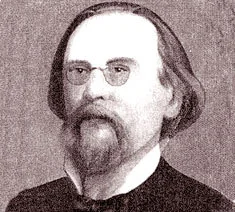
Image from Wikipedia
Image from Wikipedia
Kalinka – the Russian dance song that became a global icon
A song between folk custom, theater, and cultural memory
“Kalinka” is one of those musical pieces that has grown far beyond its original context. The well-known Russian dance song from the mid-19th century is often perceived today as a classic folk song, although it was originally written for a theatrical play. Its combination of catchy melody, lively rhythm, and dramatic build-up made it an instantly recognizable piece from the start. ([en.wikipedia.org](https://en.wikipedia.org/wiki/Kalinka_%281860_song%29?utm_source=openai))
The title refers to the kalina, the viburnum tree, whose berries are symbolically loaded in Russian culture. This connection between the imagery of nature, the impulse to dance, and the vernacular language firmly roots the song in the history of Russian music. “Kalinka” thus exemplifies a repertoire that bridges art songs, stage music, and folk tradition. ([en.wikipedia.org](https://en.wikipedia.org/wiki/Kalinka_%281860_song%29?utm_source=openai))
Origins and Development: Ivan Larionov and the Theater
“Kalinka” was composed in 1860 by Ivan Petrovich Larionov, a Russian composer and folklorist. The first performance took place in Saratov as part of a theatrical entertainment designed by Larionov himself. This marked the beginning of the career of a song that was intended to have an impact from the very beginning and quickly moved from the stage to the collective repertoire. ([en.wikipedia.org](https://en.wikipedia.org/wiki/Kalinka_%281860_song%29?utm_source=openai))
The fact that “Kalinka” was later perceived as a folk song illustrates the permeability between composed popular music and traditional folklore in the 19th century. The transition to choral and concert use happened swiftly, granting the piece its current role as a cultural staple. The melody is both simple and concise enough to be immediately grasped, while also being flexible enough to work in different arrangements. ([en.wikipedia.org](https://en.wikipedia.org/wiki/Kalinka_%281860_song%29?utm_source=openai))
Musical Development: Tempo, Build-up, and Stage Presence
Musically, “Kalinka” thrives on a clear form and a constant build-up of tension. The refrain accelerates with each repetition, giving the song an almost intoxicating pull. This movement defines the charm of the piece: it starts light, remains catchy, and culminates in an exhilarating crescendo that challenges dancers, choirs, and orchestras alike. ([en.wikipedia.org](https://en.wikipedia.org/wiki/Kalinka_%281860_song%29?utm_source=openai))
This very structure explains why the song has such a strong impact on stage. The rhythmic intensification creates a feeling of collective movement that transcends pure auditory enjoyment and translates directly into the body. Therefore, “Kalinka” is not just a song, but a performative event with strong recognizability. ([en.wikipedia.org](https://en.wikipedia.org/wiki/Kalinka_%281860_song%29?utm_source=openai))
From Folk Song to Global Success: Repertoire, Recordings, and Popularity
Since the 20th century, “Kalinka” has gained international fame through numerous interpretations. A particularly influential version was popularized by the Alexandrov Ensemble, the official army choir of the Russian military, which solidly incorporated the piece into its repertoire after World War II. In this form, the song took on an almost hymnic aura and was recognized worldwide as a musical trademark of Russia. ([en.wikipedia.org](https://en.wikipedia.org/wiki/Kalinka_%281860_song%29?utm_source=openai))
Among the early and significant interpretations is the recording by Yevgeny Belyayev, one of the most renowned singers of the song. The transmission of the piece shows how much “Kalinka” lives through interpretation, arrangement, and stage charisma. In concert history, it has become a showpiece that works not only melodically but also dramatically. ([en.wikipedia.org](https://en.wikipedia.org/wiki/Kalinka_%281860_song%29?utm_source=openai))
Discography, Releases, and Media Presence
There is no classical discography in the sense of a single artist for “Kalinka”, but the song is documented in countless recordings, collections, and special releases. This includes recordings by the Alexandrov Ensemble, arrangements for choir and orchestra, as well as editions on records featuring Russian folk songs. “Kalinka” is also listed in the AllMusic catalog as a traditional performance piece and as a subject of recordings. ([allmusic.com](https://www.allmusic.com/album/release/kalinka-mr0001751072?utm_source=openai))
The spread of the song extends far beyond classical music. It appears in film, video games, and pop culture, achieving a status that is unusual for many older folk songs. “Kalinka” has been repeatedly referenced and recoded in cinematic and digital contexts, thereby extending its cultural footprint into the present. ([en.wikipedia.org](https://en.wikipedia.org/wiki/Kalinka_%281860_song%29?utm_source=openai))
Cultural Influence: Russian Identity, Global Recognizability
Hardly any other Russian song is as immediately identifiable internationally as “Kalinka”. Its popularity stems from the balance of folkloric simplicity and theatrical intensification that makes the piece resonate globally. For this reason, it is often used as a musical symbol of Russia, even though its origin lies in a specific theatrical composition. ([en.wikipedia.org](https://en.wikipedia.org/wiki/Kalinka_%281860_song%29?utm_source=openai))
The cultural career of the song also illustrates how popular music transports history. “Kalinka” serves as a carrier of memory, a form of representation, and a dance song all in one. It connects rural imagery, urban stage, and international pop culture into a work that has remarkably maintained its vitality to this day. ([en.wikipedia.org](https://en.wikipedia.org/wiki/Kalinka_%281860_song%29?utm_source=openai))
Current Relevance and Perception Today
Even in the 21st century, “Kalinka” remains present, as the song continues to work in new contexts. Whether in concerts, media references, or popular allusions: the melody possesses a timeless quality that is instantly recognizable. The strength of this musical piece lies particularly in the fusion of tradition and presentation. ([en.wikipedia.org](https://en.wikipedia.org/wiki/Kalinka_%281860_song%29?utm_source=openai))
For today’s listeners, “Kalinka” is therefore more than a historical relic. The song conveys a piece of Russian music history without appearing archaic, while also remaining a powerful testament to how a memorable melody endures. Its energy, tempo, and collective radiance secure it a firm place in the global repertoire. ([en.wikipedia.org](https://en.wikipedia.org/wiki/Kalinka_%281860_song%29?utm_source=openai))
Conclusion: Why “Kalinka” Continues to Fascinate
“Kalinka” captivates because it creates the rare connection of historical origin, catchy melody, and explosive stage impact. The song is deeply rooted in Russian culture while also being comprehensible worldwide. Those who experience “Kalinka” live immediately sense why this theatrical song became a musical symbol that has endured through generations. ([en.wikipedia.org](https://en.wikipedia.org/wiki/Kalinka_%281860_song%29?utm_source=openai))
A live experience with “Kalinka” unfolds the full power of the piece: build-up, energy, collective movement, and emotional directness. This is precisely where its enduring greatness lies – as a dance song, as cultural heritage, and as an indestructible musical signature. ([en.wikipedia.org](https://en.wikipedia.org/wiki/Kalinka_%281860_song%29?utm_source=openai))
Official Channels of Kalinka:
- Instagram: No official profile found
- Facebook: No official profile found
- YouTube: No official profile found
- Spotify: No official profile found
- TikTok: No official profile found