
Maria Imma Mack
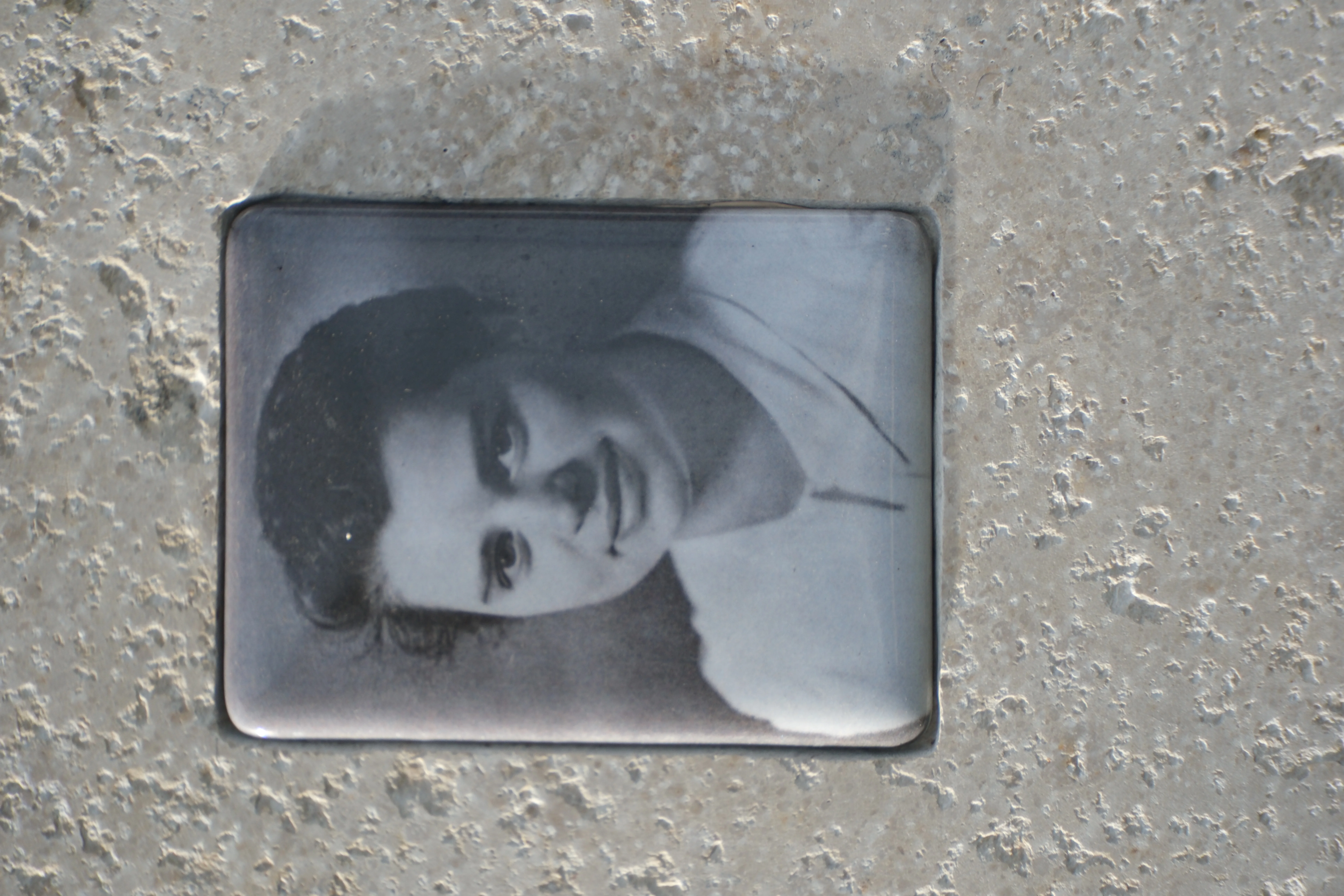
Image from Wikipedia
Image from Wikipedia
Maria Imma Mack – Nun, Witness, and Silent Hero of Dachau
A Life Story of Courage, Conscience, and Living Humanity
Maria Imma Mack, born on February 10, 1924, as Josefa Mack in Möckenlohe near Eichstätt and passed away on June 21, 2006, in Munich, embodies an extraordinary biography at the intersection of faith, civil courage, and historical responsibility. As a nun of the Congregation of the Poor School Sisters of Our Lady, she became known for her clandestine work for the inmates of the Dachau concentration camp, to whom she secretly delivered food, letters, and liturgical items under the pseudonym "Mädi". Her story intertwines personal dedication with one of the darkest phases of German history and has earned her lasting recognition both in her homeland and beyond. ([stadt.muenchen.de](https://stadt.muenchen.de/infos/imma-mack-weg.html?utm_source=openai))
Background and Early Influence
Josefa Mack grew up in Möckenlohe in a family of artisans and experienced a childhood shaped by rural roots and a religious environment. Later accounts of her life portray a young woman who encountered the political events of her time early on and developed an inner stance focused not on distance, but on responsibility. It is precisely this early influence that explains why, as a very young nun, she was undeterred by danger when confronted with the suffering of concentration camp inmates. ([donaukurier.de](https://www.donaukurier.de/lokales/landkreis-eichstaett/adelschlag-gedenkt-seiner-grossen-tochter-schwester-imma-mack-15404816?utm_source=openai))
Her involvement with the Congregation of the Poor School Sisters of Our Lady in Munich led her to a life of religious discipline and social practice. From this environment, she developed a form of practiced charity that was not abstract but had concrete outcomes. Maria Imma Mack thus became a figure whose actions go far beyond a mere biographical note, as they exemplarily demonstrate how faith can lead to courageous action in historically extreme situations. ([stadt.muenchen.de](https://stadt.muenchen.de/infos/imma-mack-weg.html?utm_source=openai))
The Secret Work at Dachau Concentration Camp
On May 16, 1944, the then 20-year-old Josefa Mack visited the garden of the Dachau concentration camp for the first time, originally intending to obtain flowers for the convent. This initial contact quickly evolved into a regular aiding activity that she carried out from May 1944 to April 1945 at the risk of her own life. She supplied the camp's inmates with food, smuggled letters, and thus helped maintain contact between the prisoners and their families. ([english.katholisch.de](https://english.katholisch.de/artikel/50992-with-bike-and-sledge-how-a-nun-helped-concentration-camp-prisoners?utm_source=openai))
Especially striking is the account that she was aware of the risks yet did not back down. The state capital Munich documents that she knew such assistance could lead to the death penalty and yet acted at the cost of her life. Later accounts describe how she reached the camp by bicycle, and eventually even by sled, despite snow and difficult conditions, showing that her mission would not be thwarted by external circumstances. This persistence elevates Maria Imma Mack to a historical figure of rare moral consistency. ([stadt.muenchen.de](https://stadt.muenchen.de/infos/imma-mack-weg.html?utm_source=openai))
The Memory of a Hidden Hero
After the war, her actions did not go unacknowledged. In Möckenlohe, she was honored in 2024 with a commemorative plaque on the occasion of her 100th birthday, and in Munich, the Imma-Mack-Weg commemorates her. Such forms of remembrance show that her actions are understood not only as a religious act but also as part of the regional and national culture of memory. Maria Imma Mack thus stands as a representative for those people whose quiet solidarity only reveals its full historical dimension with distance. ([commons.wikimedia.org](https://commons.wikimedia.org/wiki/File%3AGedenktafel_f%C3%BCr_Schwester_Imma_Mack_in_M%C3%B6ckenlohe-03.jpg?utm_source=openai))
Her autobiographical reflection has also shaped the memory of her. Under the title "Why I Love Azaleas: Memories of My Trips to the Planting Site of Dachau Concentration Camp from May 1944 - April 1945," her account of that time documents her experiences amid innocence, danger, and responsibility. The publication is important because it not only provides facts but also offers a direct perspective on the moral struggle of a young woman who did not lose sight of humanity amidst wrongdoing. ([zvab.com](https://www.zvab.com/9783880967502/Azaleen-liebe-Erinnerungen-Fahrten-Plantage-3880967504/plp?utm_source=openai))
Historical Significance and Cultural Influence
Maria Imma Mack is among the female figures of German contemporary history whose significance arises from the connection between individual action and collective memory. Her story is present in religious, regional, and historical contexts and is documented in publications, forms of commemoration, and digital archives. Particularly because her actions were not aimed at publicity, the later recognition is even more powerful: she represents quiet resistance, active mercy, and a form of courage that does not shout but acts consistently. ([stadt.muenchen.de](https://stadt.muenchen.de/infos/imma-mack-weg.html?utm_source=openai))
For cultural contextualization, it is also important to note that her story is not told in isolation but is embedded in accounts of the Dachau concentration camp, the activities of the Sisters, and the culture of memory anchored at specific sites. This makes her biography one that continues to survive in biographies, memorial plaques, and church remembrance media. Thus, Maria Imma Mack is less a classic public figure and more a moral reference point whose life still provides guidance today. ([english.katholisch.de](https://english.katholisch.de/artikel/50992-with-bike-and-sledge-how-a-nun-helped-concentration-camp-prisoners?utm_source=openai))
Current Relevance and Ongoing Recognition
Even in 2024 and 2025, Maria Imma Mack remained present in public memory. Reports about her 100th birthday and later commemorative contributions emphasize that her life path continues to be read as an example of civil courage and Christian charity. Such occasions demonstrate that historical memory is particularly effective when continually activated through specific places, documents, and anniversaries. ([english.katholisch.de](https://english.katholisch.de/artikel/50992-with-bike-and-sledge-how-a-nun-helped-concentration-camp-prisoners?utm_source=openai))
Anyone exploring Maria Imma Mack encounters a woman whose biography does not tell of a spectacular career in the usual sense, but rather of an unwavering commitment to humanity. Her life proves that historical weight is not derived from loudness but from consistency, conscience, and the willingness to do what is right under threat. This is where her lasting fascination lies. ([stadt.muenchen.de](https://stadt.muenchen.de/infos/imma-mack-weg.html?utm_source=openai))
Conclusion: Why Maria Imma Mack Still Resonates Today
Maria Imma Mack impresses through a life story where courage, faith, and humanity are inextricably connected. She acted not from distance but out of closeness to the suffering of others, turning quiet help into a lasting testament. Those interested in historical role models, lived responsibility, and the power of the individual will find in her an extraordinary personality. Visiting the sites of remembrance and reading her accounts are worthwhile as they show how great a quiet act can become. ([english.katholisch.de](https://english.katholisch.de/artikel/50992-with-bike-and-sledge-how-a-nun-helped-concentration-camp-prisoners?utm_source=openai))
Official Channels of Maria Imma Mack:
- Instagram: No official profile found
- Facebook: No official profile found
- YouTube: No official profile found
- Spotify: No official profile found
- TikTok: No official profile found
Sources:
- english.katholisch.de – With bike and sledge: how a nun helped concentration camp prisoners
- Donaukurier – Adelschlag remembers its great daughter Sister Imma Mack
- City of Munich – Imma-Mack-Weg
- ZVAB – Why I Love Azaleas
- German Digital Library – Josefa Maria Imma Mack
- SSND Congregational Website – Sister M. Imma Mack
- SSND Congregational Website – Sister M. Imma Mack
- selige-kzdachau.de – Josefa Mack
- Wikipedia: Image and text source