
Maria Imma Mack
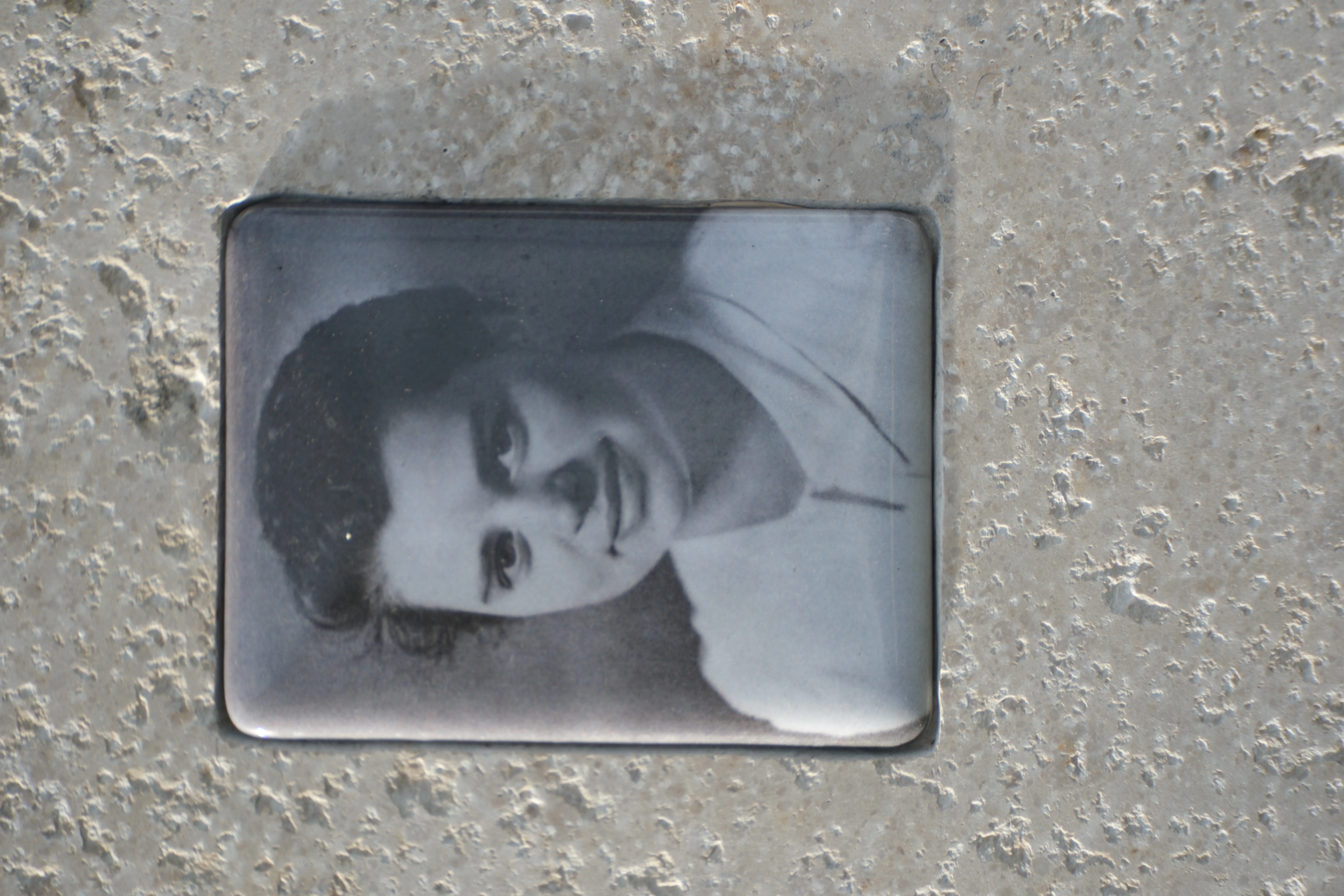
Image from Wikipedia
Image from Wikipedia
Maria Imma Mack – The Silent Heroine of Dachau and a Life Against Oblivion
A nun who preserved humanity in the darkest of times
Maria Imma Mack, born Josefa Mack on February 10, 1924, in Möckenlohe near Eichstätt, is one of those women whose life extends far beyond a personal biography. As a nun of the Congregation of the Poor School Sisters of Our Lady in Munich, she combined faith, courage, and practical charity in a way that continues to impress today. She became particularly known for her secret efforts to assist inmates of the Dachau concentration camp, smuggling food, letters, and liturgical items to them at the risk of her own life. Her life is a testament to civil courage, silent determination, and an attitude that embodies help without proclamation.
Childhood, Background, and the Early Path to Munich
Maria Imma Mack grew up in Möckenlohe in a family of artisans and found early guidance in her faith. At the age of 16, she traveled to Munich to join the Poor School Sisters of Our Lady, a decision that shaped her life going forward. There, she initially worked in a children's home run by the sisters in Freising and experienced firsthand how closely religious vocation and concrete care can be intertwined. Even in this early phase, it became evident that she not only wanted to live within a community but also to take on responsibility.
The Brave Commitment in the Shadow of the Dachau Concentration Camp
The central chapter of her life began in the spring of 1944. Maria Imma Mack worked in the gardens of the Dachau concentration camp, where she witnessed the situation of the prisoners firsthand and resolved to take action. Under the alias "Mädi," she regularly smuggled food, medicine, communion hosts, sacramental wine, candles, and messages into the camp from May 1944 onwards. She took enormous risks, as even a suspicion of aiding the prisoners could lead to fatal consequences.
Her assistance was not abstract but highly concrete. She maintained contact between inmates and their relatives, delivered letters, and specifically provided for Catholic priests who were imprisoned in the camp. The gesture was small by outward standards but immense in its impact: it preserved dignity, hope, and spiritual connection in a system that sought to destroy such bonds. Looking back, we see the full scope of her actions: not pathos, but consequence.
Faith as an Attitude, Not Decoration
Maria Imma Mack embodied a form of Christianity that proved itself through action. Her work in the vicinity of Dachau was not a symbolic act but a sustained commitment to people in dire need. The connection of prayer, religious life, and active aid made her one of those figures who translate religious practice into an ethics of protection and solidarity. Precisely for this reason, her life remains impressive even beyond ecclesiastical contexts: it shows how moral conviction takes shape in concrete responsibility.
After the war, Josefa Mack entered the novitiate with the Poor School Sisters in 1945 and received the religious name Maria Imma. This name change did not mark a break but the continuation of a path that had already begun during the war. Later, she taught as a needlework instructor at the congregation's schools in Munich-Au and passed her master's exam in women's tailoring in 1951. Her life after 1945 is thus characterized not only by the remembrance of resistance but also by educational work and service to the community.
Recognition, Remembrance, and Public Honor
Maria Imma Mack received numerous forms of public recognition both during her lifetime and posthumously. In 1986, she was awarded the Bavarian Order of Merit, and in 2004 she was made a Knight of the French Legion of Honor, expressly for her courage and her contribution to reconciliation between Germany and France. These honors highlight that her efforts gained significance far beyond a regional context. Her actions exemplify a culture of remembrance that not only names victims but also makes helpers visible.
In Munich, a street was named after her in 2009, the Imma-Mack-Weg in the district of Au-Haidhausen. A memorial plaque was also dedicated to her in her birthplace, Möckenlohe, and with her 100th birthday approaching in 2024, her life once again came into public focus. Such signs are more than mere dedications: they translate biographical memory into urban space and keep a moral orientation present. Thus, Maria Imma Mack remains a figure whose name holds weight not only historically but also socially.
Biographical Significance in Historical Context
The story of Maria Imma Mack is closely tied to the Nazi era and the Dachau concentration camp, a site of state-organized violence and dehumanization. In this context, her help took on particular significance, as it addressed where the regime sought to strip people of every form of dignity. Her actions were part of a quiet yet effective resistance that did not aim for headlines but focused on small-scale rescue efforts. In this sense, her biography stands exemplarily for the moral courage of countless unknown helpers who acted in the shadows of history.
Her life also holds great significance for regional remembrance in Upper Bavaria. The geographical arc stretching from Möckenlohe to Freising, Munich, and Dachau makes a piece of local history out of a personal life story. For contemporary readers, the fascination lies precisely in this connection of origin, calling, and action. Maria Imma Mack shows that historical greatness does not have to manifest itself loudly to have a lasting effect.
Why Maria Imma Mack Continues to Resonate Today
Maria Imma Mack remains compelling because she led a life that avoids any comfortable appropriation. She was not a public speaker, not a political symbol, and not a person who placed herself in the foreground. Yet her actions speak more clearly than any programmatic declaration. Anyone who engages with her biography encounters a woman who united faith, courage, and readiness to help in a historically extreme situation.
It is precisely in this that the enduring power of her example lies: it reminds us that humanity remains possible even where systems rely on fear and dehumanization. Maria Imma Mack is a silent heroine whose life path not only imparts historical knowledge but also sets moral benchmarks. Those who wish to understand places like Dachau should also keep in mind those who helped. A visit to the memorials associated with her name makes this history even more immediate and allows her significance to resonate into the present.
Official Channels of Maria Imma Mack:
- Instagram: No official profile found
- Facebook: No official profile found
- YouTube: No official profile found
- Spotify: No official profile found
- TikTok: No official profile found
Sources:
- Wikipedia – Maria Imma Mack
- Orden.de – Sister Imma Mack has passed away
- City of Munich – Imma-Mack-Weg
- Donaukurier – Adelschlag commemorates its great daughter Sister Imma Mack
- Dachau Concentration Camp Memorial – Brief Biography of Imma Mack
- Diocese of Eichstätt – Imma Mack, a courageous nun
- DOMRADIO.DE – A hundred years ago, the nun Imma Mack was born
- Wikipedia: Image and text source