
Maria Imma Mack
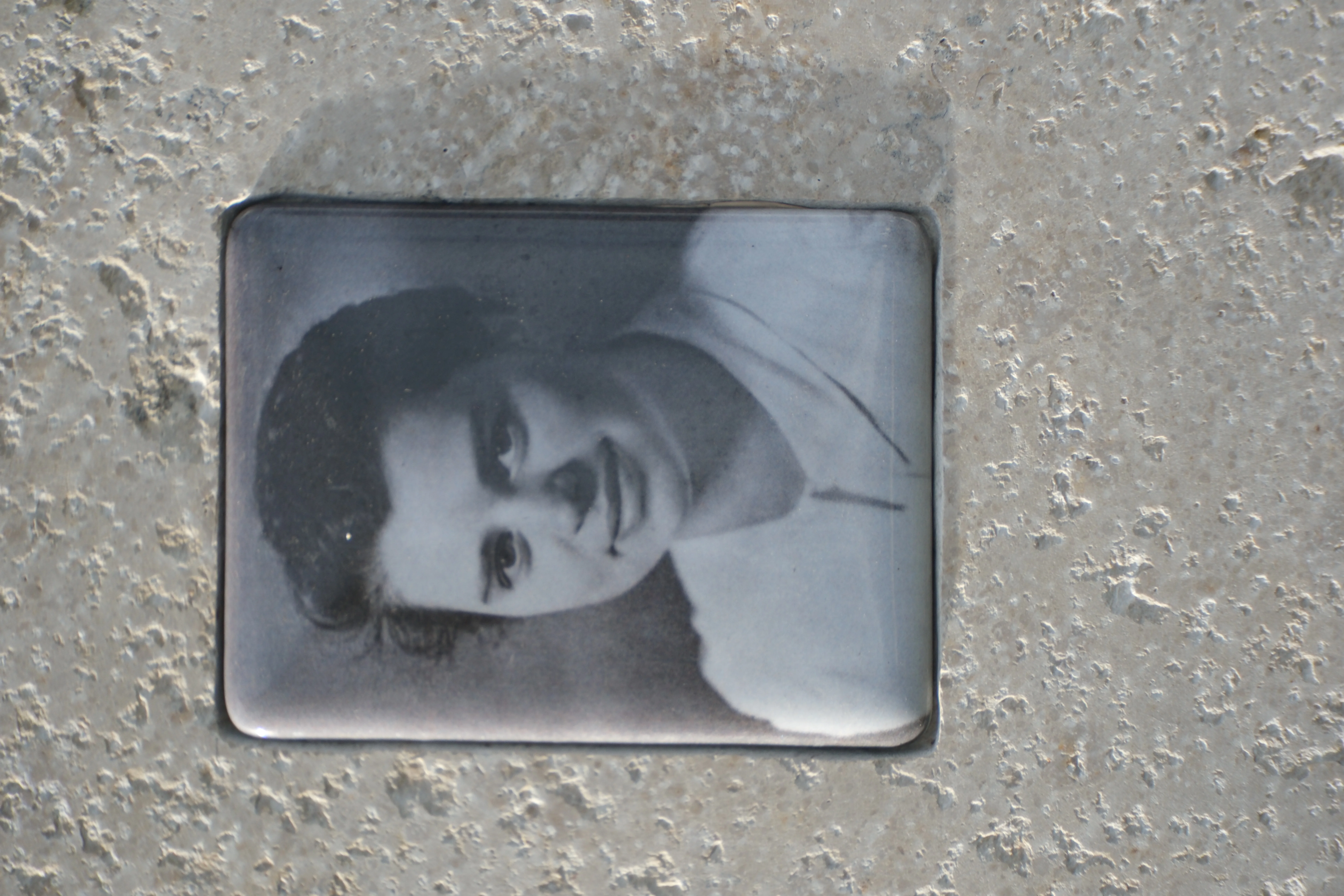
Image from Wikipedia
Image from Wikipedia
Maria Imma Mack – Courage, Conscience, and Lived Humanity in the Shadow of Dachau
A nun who demonstrated civil courage during one of the darkest times of the 20th century
Sister Maria Imma Mack, born Josefa Mack on February 10, 1924, in Möckenlohe near Eichstätt, represents one of those German life stories that define historical greatness not through power, but through character. As a nun of the Poor School Sisters of Our Lady in Munich, she became a quiet helper for the inmates of the Dachau concentration camp under the code name "Mädi." Her work combines religious vocation, everyday courage, and a deeply human form of resistance. ([de.wikipedia.org](https://de.wikipedia.org/wiki/Maria_Imma_Mack?utm_source=openai))
Childhood, Vocation, and the Path to the Order
Josefa Mack grew up in a family of craftsmen and joined the order of the Poor School Sisters at the age of 16. Her early decision to pursue a monastic life occurred during a time when National Socialism increasingly intervened in social and religious life. In 1940, she became a candidate, and from 1942 she worked as an assistant in the order's children's home in Freising. These stages mark the beginning of a biography characterized by inner determination and practical charity. ([de.wikipedia.org](https://de.wikipedia.org/wiki/Maria_Imma_Mack?utm_source=openai))
For her, entering the order did not mean withdrawing from the world, but rather deepening her sense of responsibility. Reports from Eichstätt and Munich depict a young woman who understood her faith not as an abstract confession, but as a mandate to act. It is this connection between spirituality and action that makes her life story so impressive to this day. ([bistum-eichstaett.de](https://www.bistum-eichstaett.de/news-details/news/bewegt-vom-heiligen-geist-menschen-die-etwas-bewegen/?utm_source=openai))
The Quiet Resistance: Assistance for Inmates of Dachau Concentration Camp
In 1944, Josefa Mack was tasked with purchasing plants and flowers for the garden of the Dachau concentration camp. What she witnessed there profoundly shook her: the condition of the inmates, the misery, the dehumanization. From this impression, she made a historically significant decision: she began smuggling food, later also hosts, altar wine, candles, and letters into the camp, initially disguised as errands for flowers and vegetables. ([de.wikipedia.org](https://de.wikipedia.org/wiki/Maria_Imma_Mack?utm_source=openai))
Between May 1944 and April 1945, she traveled regularly to the Dachau concentration camp, cycling in summer and using a sled in winter. The fact that she operated under the code name "Mädi" highlights the danger of her mission. According to reports from the city of Munich and church sources, she knew that such assistance could result in the death penalty. In this context, her actions acquire an extraordinary ethical radiance: she chose not to leave people close to death alone. ([stadt.muenchen.de](https://stadt.muenchen.de/infos/imma-mack-weg.html?utm_source=openai))
The significance of her help extends beyond mere provision. Letters connected inmates with their families, liturgical items provided spiritual comfort, and the delivered food helped directly with survival. Thus, what seemed like a small, secret act became an act of resistance that undermined the logic of the camp with humanity. This form of civil courage exemplifies many invisible helpers who acted under personal threat during the Nazi era. ([stadt.muenchen.de](https://stadt.muenchen.de/infos/imma-mack-weg.html?utm_source=openai))
Post-War Period, Religious Life, and Personal Development
After the war, Josefa Mack entered the novitiate in 1945 and took the religious name Maria Imma. A year later, she made her profession, and in 1951 she passed her master's examination as a dressmaker. These dates indicate that her life path did not remain at the level of heroic wartime experience but transitioned into a structured and conscientious religious life. ([de.wikipedia.org](https://de.wikipedia.org/wiki/Maria_Imma_Mack?utm_source=openai))
Her memoirs, published in 1989 under the title Why I Love Azaleas, preserve the memory of a time when faith became responsibility. The book not only documents personal experiences but also demonstrates the ability to transform burdensome historical realities into a reflective, shareable form. In doing so, Maria Imma Mack became an important eyewitness whose voice continues to resonate in ecclesiastical and historical contexts to this day. ([de.wikipedia.org](https://de.wikipedia.org/wiki/Maria_Imma_Mack?utm_source=openai))
Awards, Recognition, and Public Resonance
For her commitment, Maria Imma Mack received numerous honors. In 1986, she was awarded the Bavarian Order of Merit, followed by the "München leuchtet" award in 2001, induction as a Knight of the French Legion of Honor in 2004, and the Federal Cross of Merit 1st Class in 2005. These recognitions reflect how strongly her actions were acknowledged across confessional and national boundaries. ([domradio.de](https://www.domradio.de/artikel/vor-100-jahren-wurde-die-ordensfrau-imma-mack-geboren?utm_source=openai))
Her memory also continues in the public sphere. In Munich, the Imma-Mack-Weg was named in her honor, and there are memorial plaques and other forms of remembrance throughout Bavaria. Such naming makes clear that her story is anchored not only in church archives but also in the urban memory. She thus belongs to the personalities who derive a universal message from their local origins. ([stadt.muenchen.de](https://stadt.muenchen.de/infos/imma-mack-weg.html?utm_source=openai))
Historical Context and Cultural Influence
Maria Imma Mack stands alongside women whose civil courage during the Nazi era has long been overlooked. Reports from the Eichstätt Diocese, the city of Munich, and other church sources depict a nun who did not act spectacularly, but rather consistently. It is precisely within this that her historical significance lies: she connected faith, practical assistance, and resistance into a stance that remains exemplary to this day. ([bistum-eichstaett.de](https://www.bistum-eichstaett.de/news-details/news/bewegt-vom-heiligen-geist-menschen-die-etwas-bewegen/?utm_source=openai))
The culture of remembrance surrounding Dachau also benefits from her legacy. The fact that later texts, memorial services, and biographical honors repeatedly refer back to "Mädi" demonstrates the lasting significance of her assistance for inmates and their relatives. Her story clarifies how much a single person can achieve when conscience triumphs over fear. ([schoenstatt.de](https://www.schoenstatt.de/de/news/6898/112/Auf-den-Spuren-von-Karl-Leisner-Priester-unterwegs-als-Pilger-der-Hoffnung.htm?utm_source=openai))
Voices of the Fans
No official social media profiles found; therefore, this section is omitted entirely. ([de.wikipedia.org](https://de.wikipedia.org/wiki/Maria_Imma_Mack?utm_source=openai))
Conclusion
Maria Imma Mack fascinates because her life makes visible the power of quiet determination. She was not a speaker on grand stages, but a woman who organized help under extreme conditions, carried hope, and defended human dignity. Those who know her story understand how significant brave individuals are for historical memory. Engaging with her legacy offers an extraordinary biography that intertwines faith, resistance, and humanity. ([de.wikipedia.org](https://de.wikipedia.org/wiki/Maria_Imma_Mack?utm_source=openai))
Her life invites reflection on the necessity of civil courage. Thus, Maria Imma Mack remains not only a historical figure but also a moral benchmark. Her contributions deserve remembrance, respect, and public presence – and engaging with her life path is worthwhile even today. ([stadt.muenchen.de](https://stadt.muenchen.de/infos/imma-mack-weg.html?utm_source=openai))
Official Channels of Maria Imma Mack:
- Instagram: No official profile found
- Facebook: No official profile found
- YouTube: No official profile found
- Spotify: No official profile found
- TikTok: No official profile found
Sources:
- Wikipedia – Maria Imma Mack
- Deutsche Digitale Bibliothek – Josefa Maria Imma Mack
- Landeshauptstadt München – Imma-Mack-Weg
- Bistum Eichstätt – Imma Mack, a Courageous Nun
- DOMRADIO.DE – The Nun Imma Mack Was Born 100 Years Ago
- Donaukurier – Adelschlag Commemorates Its Great Daughter Sister Imma Mack
- Orden.de – Sister Imma Mack Has Passed Away