
Pitbull (Rapper)
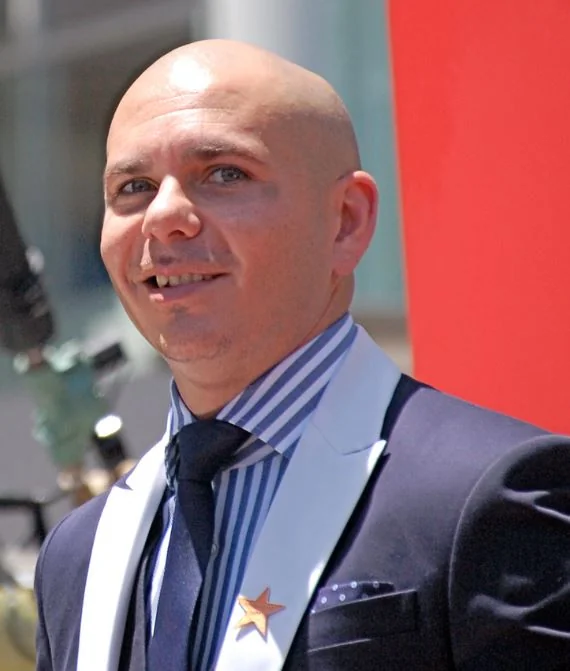
Image from Wikipedia
Image from Wikipedia
Pitbull: The Global Party Architect Between Latin Hip-Hop, Pop Power, and Miami Myth
Mr. Worldwide and the Art of Turning Energy into a Brand
Armando Christian Pérez, better known as Pitbull, is one of the most influential figures in international pop-rap of the 2000s and 2010s. Born on January 15, 1981, in Miami and shaped by his Cuban heritage, he developed a music career early on that is based not only on hits but also on recognizability, stage presence, and a consistent global identity. His title as "Mr. Worldwide" is more than a pseudonym: it describes an artist figure that unites Latin Hip-Hop, Crunk, Pop, and club sounds with maximum reach. (en.wikipedia.org)
From Miami Underground to International Breakthrough
Pitbull began his career in the early 21st century within the realms of reggaeton, Latin Hip-Hop, and Crunk, releasing his debut album M.I.A.M.I. with TVT Records in 2004. His true global breakthrough came through collaborations, especially with Lil Jon, whose club-ready, powerful productions made his name known well beyond the Latin scene. This phase established him as an artist who performs with aggressive energy, precise hooks, and an instantly identifiable vocal style. (en.wikipedia.org)
His trademark is not just a quick flow, but also a performative self-presentation: Pitbull often introduces himself as "Mr. Worldwide" and uses distinctive vocal signatures that make songs immediately recognizable. This mix of branding and musical repetition has helped him stand out from many rappers of his generation. He has become a pop hybrid who views rap not as a means of separation but as a ticket into the mainstream. (en.wikipedia.org)
Hit Singles, Chart Successes, and the Big Pop Moment
Pitbull achieved his greatest commercial power with singles such as I Know You Want Me (Calle Ocho), Give Me Everything, and Timber. Give Me Everything peaked at number 1 on the Billboard Hot 100, even ending a long number-1 run by Adele; Timber also became a global hit and pushed the formula of dance-pop, country flavor, and hook magic even further. These songs demonstrate how consistently Pitbull focused on an international club aesthetic that works equally well on festivals, radio, and streaming. (en.wikipedia.org)
In the UK and other markets, he also achieved strong results; the official charts document the lasting reach of his singles. On streaming platforms, he continues to be one of the major party acts, with songs like Give Me Everything, Timber, and Fireball still ranking among his most listened-to titles. Thus, Pitbull remains not just a look back at a specific pop era, but a continuously accessible soundtrack for parties, clubs, and summer playlists. (officialcharts.com)
Discography: From M.I.A.M.I. to Trackhouse
Pitbull's discography is vast: Wikipedia lists thirteen studio albums, along with compilation albums, a soundtrack album, mixtapes, and a huge number of singles and features. Particularly important are the albums Planet Pit, Global Warming, Globalization, Dale, and Trackhouse as they mark his evolution from a regionally rooted rapper to a global pop entrepreneur. Each of these works shifts the focus slightly: sometimes more toward dance-pop, sometimes toward Latin sound, sometimes toward radio-friendly hook economy. (en.wikipedia.org)
Dale earned him a Grammy for Best Latin Rock, Urban or Alternative Album, while Armando resonated particularly well in the Latin American market. This award underscores that Pitbull is not just a hit supplier but also an artist with a firm place in the Latin music canon. His collaborations with Jennifer Lopez, Kesha, Ne-Yo, Afrojack, Enrique Iglesias, Usher, and Lil Jon also highlight how much his career has been shaped by strategic and highly catchy collaborations. (biography.com)
Musical Style: Production, Arrangement, and Recognizability
Musically, Pitbull thrives on clear structure, pointed hooks, and a production that is immediately aimed at movement. His tracks blend electronic dance music with rap elements, Latin percussion, pop melodies, and often a deliberately simple, stadium-ready arrangement. This directness makes his songs so effective: they do not aim for complicated rap lyrics but rather collective energy, singability, and maximum social function in the space. (theguardian.com)
The Guardian reviews and other concert reports describe Pitbull as an artist whose performances are driven less by introspection and more by excess, speed, and communal release. This fits his stage persona: suit, sunglasses, distinctive gestures, confident crowd management. His concerts feel like choreographed celebrations where rap, pop, and show business intertwine. (theguardian.com)
Current Projects 2024/2025: New Songs, Tour, and Stage Presence
In 2024 and 2025, Pitbull remained highly active. Official and current sources cite new releases such as Soy Asi from June 6, 2025, Hangover and Borracho Y Loco from August 28, 2025, and Damn I Love Miami from September 12, 2025; additionally, UNDERDOGS from August 29, 2025. The official website directs these songs to streaming platforms and makes it clear that Pitbull is continuously expanding his music. (pitbullmusic.com)
On the live front, the North American tour Party After Dark took center stage in 2024, announced together with Lil Jon and T-Pain. In 2025, Pitbull continued his live activity internationally; his official social channels and platform profiles also emphasize the touring nature of his brand. This keeps him among the few rap artists whose relevance is not solely based on catalog hits but on a continued, touring pop identity. (nme.com)
Cultural Influence: Miami, Latin Pride, and Global Pop Economy
Pitbull has created a pop figure that links Miami, Cuban-American identity, and a multilingual party culture. His brand extends far beyond just music: he founded the label Mr. 305, developed business ventures, and has also become visible as an educational ambassador and entrepreneur according to his Spotify artist text. At the same time, his artistic role remains inseparable from the rise of Latin American aesthetics in the global mainstream. (open.spotify.com)
His social and cultural impact is also noteworthy. Pitbull is associated with the establishment of SLAM! schools, with a large number of students and broad public engagement. This positions him as a model of a pop star that combines economic energy, community connection, and cultural mobility. (open.spotify.com)
Voices of the Fans
The public response to Pitbull remains extraordinarily visible: platforms and reports from the current tour regularly feature mentions of fan orchestrations, such as the viral discussions around "Bald Caps." This form of fan culture shows how strong Pitbull's image as a party icon operates, even when responses do not take the form of classic comment quotes. The enthusiasm is directed less at an intimate persona and more at a clear, collective mood: celebration, optimism, and self-presentation. (open.spotify.com)
Conclusion: Why Pitbull Remains Exciting Today
Pitbull is exciting because he has made pop music a global, instantly readable system. He combines hit mechanics, Latino pride, stage energy, and entrepreneurial thinking into an artist figure that holds a firm place in the music history of the past two decades. Experiencing Pitbull live offers no nostalgic look back, but rather a precisely constructed entertainment universe that still aims for maximum movement. (open.spotify.com)
Official Channels of Pitbull:
- Instagram: https://www.instagram.com/pitbull/
- Facebook: https://www.facebook.com/pitbull
- YouTube: https://www.youtube.com/channel/UCv8nzwVPQDRjkPCkEsOdEwA
- Spotify: https://open.spotify.com/artist/0TnOYISbd1XYRBk9myaseg
- TikTok: No official profile found
Sources:
- Pitbull Official Website - Pitbull
- Pitbull Music - Official Releases
- Pitbull Videos - Official Video Section
- Spotify - Pitbull
- Facebook - Pitbull
- YouTube - Pitbull
- GRAMMY.com - Pitbull
- Wikipedia - Pitbull (Rapper)
- Wikipedia - Pitbull Discography
- NME - Party After Dark Tour
- The Guardian - Pitbull review
Upcoming Events
Pitbull - I'M Back!
Pitbull brings his I'M Back Tour to Düsseldorf with Special Guest Lil Jon. Don't miss this musical highlight!
Pitbull live in Düsseldorf
Experience Pitbull's greatest hits live at the Open Air concert in Düsseldorf on July 19, 2026.
Pitbull - I’m Back! Tour
Join us as Pitbull rocks the Open Air Park in Düsseldorf on July 19, 2026, with his hits. An evening of energy and dance!
Pitbull – I’m Back! Tour 2026
Be there as Pitbull shakes Düsseldorf. An unforgettable open-air experience awaits you!