
Sönke Neitzel
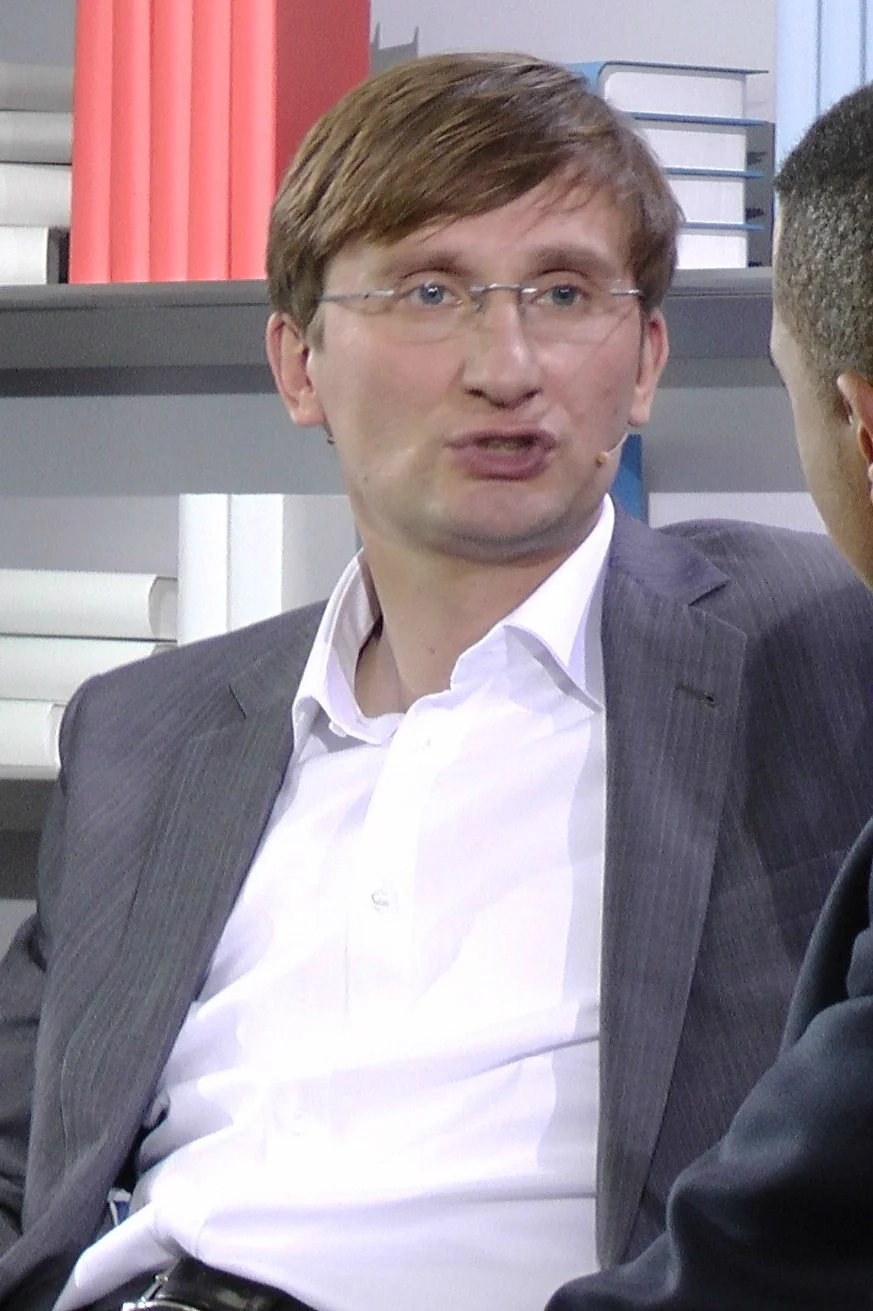
Image from Wikipedia
Image from Wikipedia
Sönke Neitzel: The Military Historian Shaping German War Debates
A Concise Portrait of a Historian with Significant Journalistic Impact
Sönke Neitzel, born on June 26, 1968, in Hamburg, is one of the most renowned German military historians of his generation. Since 2015, he has held the chair of Military History and Cultural History of Violence at the Historical Institute of the University of Potsdam, making him the only professor of military history in Germany at present. His academic profile combines intensive source work, historical analysis, and a clear voice in public debates on war, violence, and military culture. ([de.wikipedia.org](https://de.wikipedia.org/wiki/S%C3%B6nke_Neitzel?utm_source=openai))
Biography: Education, Academic Influences, and Early Positions
Neitzel studied history, journalism, and political science at Johannes Gutenberg University Mainz. In 1994, he earned his Ph.D. under Winfried Baumgart with a dissertation on the Luftwaffe's operations over the Atlantic and the North Sea from 1939 to 1945; this work was awarded the Werner-Hahlweg Prize for Military Sciences and Military History in 1996. Before his professorship in Potsdam, he taught at various institutions including Mainz, Karlsruhe, and Bern and was a Senior Fellow at the Culture Science Institute in Essen in 2010. ([de.wikipedia.org](https://de.wikipedia.org/wiki/S%C3%B6nke_Neitzel?utm_source=openai))
His academic career also took him to the London School of Economics, where he has held a chair in International History since 2012. Prior to that, he taught as a professor of Modern History at the University of Glasgow in 2011 and 2012. These positions mark a career that does not limit itself to national research, but consistently considers European and transnational perspectives. ([de.wikipedia.org](https://de.wikipedia.org/wiki/S%C3%B6nke_Neitzel?utm_source=openai))
The Scholarly Breakthrough: Prisoners of War, Sources, and Mentality History
Neitzel gained prominence particularly with Abgehört. German Generals in British Captivity 1942–1945 published in 2005. This work utilized an extraordinary source base to reveal the mindsets, self-images, and military language of German generals in captivity. At this point, the historian's signature became evident: not just event history, but mentality history examining war as a social and cultural system. ([fischerverlage.de](https://www.fischerverlage.de/autor/soenke-neitzel-1006285?utm_source=openai))
Internationally, he was particularly recognized later for the book Soldiers. Protocols of Fighting, Killing, and Dying, co-authored with Harald Welzer, published in 2011. According to the publisher, the work is based on a unique source foundation and unfolds a compelling history of mentality regarding war. In both scholarly and journalistic receptions, the book became a focal point in the debate on how soldiers perceive, justify, and linguistically order violence. ([fischerverlage.de](https://www.fischerverlage.de/autor/soenke-neitzel-1006285?utm_source=openai))
Career at the University of Potsdam: Research Focus on Military History
Since 2015, Neitzel has been shaping the field of Military History / Cultural History of Violence as a professor at the University of Potsdam. The university points to his role as the spokesperson for the DFG Research Group "Military Cultures of Violence – Illegitimate Military Violence from the Early Modern Period to World War II," which received a second funding period in 2025. Thus, Neitzel stands not only for teaching but also for the institutional advancement of a research area that has long remained marginal in Germany. ([uni-potsdam.de](https://www.uni-potsdam.de/de/nachrichten/detail/2023-05-25-gewaltkulturen-von-der-arbeit-an-einer-systematik-militaerischer-gewalt?utm_source=openai))
In 2025, his presence in the academic and public sphere is also evident: A book presentation of The Bundeswehr. From Rearmament to the Turning Point and a panel discussion on future wars have been announced at the University of Potsdam. Additionally, he is quoted in a WDR-5 interview regarding the question of a different military culture. These activities illustrate how significantly Neitzel's research influences current security policy debates. ([uni-potsdam.de](https://www.uni-potsdam.de/de/hi-militaergeschichte/index/kurz/2025?utm_source=openai))
Work and Discography in a Metaphorical Sense: Books Instead of Albums, Impact Instead of Charts
A classical discography in the musical sense does not exist for Sönke Neitzel, yet his list of publications functions in public perception similarly to a catalog of significant releases. Among his most well-known books are Abgehört, Soldaten, and Deutsche Krieger: From the Empire to the Berlin Republic – A Military History. Fischer Verlag emphasizes him as an author whose books uncover the history of war with a broad source base and clear analytical focus. ([fischerverlage.de](https://www.fischerverlage.de/autor/soenke-neitzel-1006285?utm_source=openai))
Deutsche Krieger, published in 2020, received wide attention. According to Wikipedia, Welt, Rheinische Post, and Tagesspiegel praised the source work, the historical balance between condemnation and glorification, and the continuities in German military history since 1871. Such reviews indicate that Neitzel's texts do not remain confined to the academic ivory tower but emerge as foundational works for current discussions in the feuilletons. ([de.wikipedia.org](https://de.wikipedia.org/wiki/S%C3%B6nke_Neitzel?utm_source=openai))
Style, Method, and Historical Signature
Neitzel's working method combines precise archival work with an accessible, pointed language. His research is less concerned with pure battle descriptions than with the institutions, communication forms, and thought structures of military actors. This blend of source criticism, conceptual work, and narrative condensation makes his books relevant for both academic audiences and interested laypersons alike. ([lse.ac.uk](https://www.lse.ac.uk/research/research-impact-case-studies/understanding-world-war-two-through-eyes-german-soldiers?utm_source=openai))
This is particularly evident in his engagement with German military history after 1871 and the role of the Bundeswehr in the present. The publication list from the University of Potsdam mentions contributions such as War and Peace 2005–2021: The Bundeswehr in the Merkel Era. Neitzel connects long-term historical perspectives with contemporary debates on security policy, memory culture, and military traditions. ([uni-potsdam.de](https://www.uni-potsdam.de/de/hi-militaergeschichte/soenke-neitzel/publikationen?utm_source=openai))
Cultural Influence and Public Resonance
Sönke Neitzel has significantly altered the German discussion around military history. His works have helped to understand war not just as a consequence of political decisions, but as a culturally framed practice. In doing so, he has carried topics such as soldier mentality, military violence, and the memory of World War II out of specialized discourse into the broader public. ([lse.ac.uk](https://www.lse.ac.uk/research/research-impact-case-studies/understanding-world-war-two-through-eyes-german-soldiers?utm_source=openai))
His presence in podcasts, lectures, and panels also shows the historian's influence on the present. Neitzel appears as a scholar who translates military historical insights into debates about the Bundeswehr, turning points, and future wars. This precisely is his special relevance: he makes the past not museum-like, but conflict-capable for the present. ([uni-potsdam.de](https://www.uni-potsdam.de/de/hi-militaergeschichte/index/kurz/2025?utm_source=openai))
Conclusion: Why Sönke Neitzel Remains Fascinating
Sönke Neitzel is fascinating because he combines military history with analytical sharpness, public relevance, and linguistic clarity. His books shape the debate on war, violence, and soldiering far beyond the university, while his research unit at the University of Potsdam institutionally strengthens an important field. Those who want to understand how historical research grounds and challenges today’s security debates will find a central reference point in Neitzel's work. Anyone who experiences his thoughts live will see a historian who does not smooth out complexity but makes it productive. ([uni-potsdam.de](https://www.uni-potsdam.de/de/military-cultures-of-violence/?utm_source=openai))
Official Channels of Sönke Neitzel:
- Instagram: no official profile found
- Facebook: no official profile found
- YouTube: no official profile found
- Spotify: no official profile found
- TikTok: no official profile found
Sources:
- Wikipedia - Sönke Neitzel
- University of Potsdam - Publications by Prof. Dr. Sönke Neitzel
- University of Potsdam - DFG Research Group Military Cultures of Violence
- University of Potsdam - Short News 2025
- S. Fischer Publishing - Author Page Sönke Neitzel
- London School of Economics - Research Impact Case Study
- University of Potsdam - Historical Institute
- International Literature Festival Berlin - Sönke Neitzel