
Taylor Swift
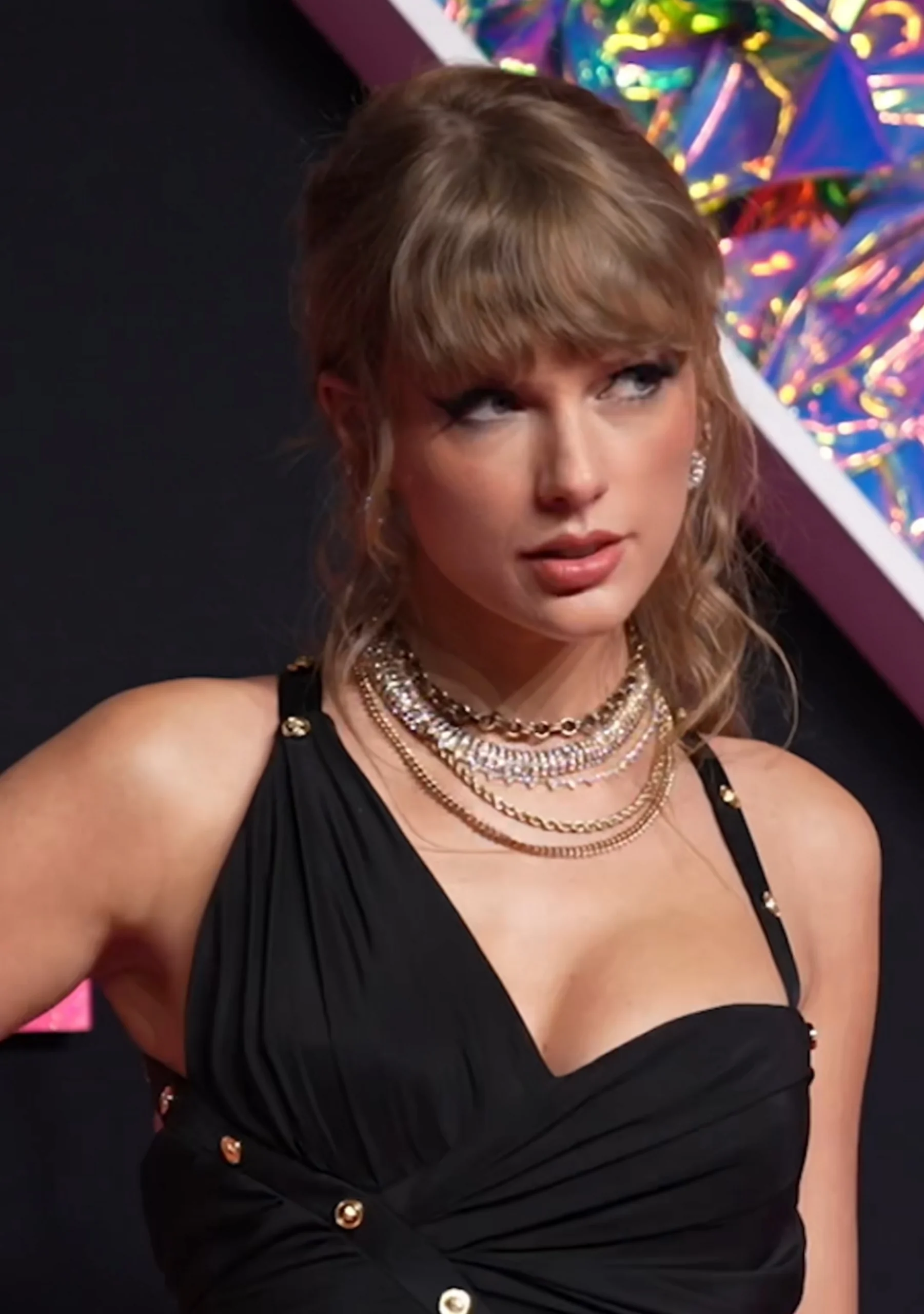
Image from Wikipedia
Image from Wikipedia
Taylor Swift – The Chronicler of Pop Between Country, Empowerment, and World Records
An artist who turns every era into a cultural event
Taylor Alison Swift is among the most influential pop and country artists of her generation. Born on December 13, 1989, in Reading, Pennsylvania, she developed an early and unique blend of literary storytelling, melodic precision, and intuitive pop architecture. Her journey is not only the story of an extraordinary music star but also that of a catalog that has set new standards for songwriting, marketing, and cultural relevance over decades. ([britannica.com](https://www.britannica.com/biography/Taylor-Swift))
Swift's career represents constant movement: from country newcomer in Nashville to global pop icon, from intimate guitar ballads to maximalist synthpop productions, from personal diary entries to one of the most influential brands in the music industry. Her discography, stage presence, and ability to create a unique narrative world with every release have made her an exceptional figure who serves as a reference in both music journalism and pop culture. ([britannica.com](https://www.britannica.com/biography/Taylor-Swift))
Early Years: Nashville, Songwriting, and Entering the Industry
Swift's musical identity formed at a very young age. By the age of 14, she was writing lyrics and moved to Nashville to pursue a country career. In 2004, she signed a songwriting contract with Sony/ATV Music Publishing, followed in 2005 by a record deal with Big Machine Records. Her self-titled debut album, Taylor Swift, was released in 2006, making her the first female country singer to have co-written a platinum-certified album in the U.S. ([britannica.com](https://www.britannica.com/biography/Taylor-Swift))
This early phase already showcased Swift's central talent: she understood country not just as a genre but as a narrative form. Her songs combined a youthful perspective, clear hook lines, and an emotional directness that appealed to a broad audience. This was the beginning of her extraordinary music career – navigating the complex interplay between authenticity, commercial acumen, and a knack for narrative compression. ([britannica.com](https://www.britannica.com/biography/Taylor-Swift))
The Breakthrough with Fearless and Speak Now
The major breakthrough came with Fearless (2008). Songs like Love Story and You Belong with Me became milestones, as they rose to the top in both the country charts and pop radio, breaking into the Hot 100 airplay charts. This exposed Swift to a million-strong audience and reached exactly that intersection where country pop was redefined as a mainstream phenomenon. ([britannica.com](https://www.britannica.com/biography/Taylor-Swift))
Speak Now (2010) further refined this profile and opened the door to rockier elements without abandoning the narrative core. The album showcased an artist who consistently thought of her songs as autobiographical chapters, connecting emotional moments with precise composition. During this phase, Swift not only won awards but also established the authority of a songwriter whose lyrics functioned as collectively relatable experiential spaces. ([britannica.com](https://www.britannica.com/biography/Taylor-Swift))
From Country to Global Pop: Red, 1989, and Reputation
With Red (2012), a stylistic opening began that would significantly shape Swift's artistic development. The album experimented with electronic colors and included her first number-one song on the Billboard Hot 100, We Are Never Ever Getting Back Together. This visibly shifted the center of her aesthetic towards pop while retaining her signature as a storyteller. ([britannica.com](https://www.britannica.com/biography/Taylor-Swift))
1989 (2014) marked the complete break with the country label. Swift called it her first "official pop album," and it certainly came across that way: sleek, confident, rhythmically pointed, and full of songs that became international chart-toppers. Shake It Off, Blank Space, and Bad Blood shaped the image of an artist who not only reacted to trends but helped define them. Reputation (2017) responded to media escalations with darker production, hip-hop-inspired sounds, and the number-one single Look What You Made Me Do. ([britannica.com](https://www.britannica.com/biography/Taylor-Swift))
Independence, Re-Recordings, and the Fight for Control
In 2018, Swift signed with Republic Records and released Lover in 2019, followed by the autobiographical documentary Miss Americana. This phase showcased an artist recalibrating her public role: more political, more open, while focusing on artistic self-determination. In interviews, film projects, and public statements, it became clear that Swift views her career not just as a hit machine but as an ongoing authorship project. ([britannica.com](https://www.britannica.com/biography/Taylor-Swift))
Particularly impactful was her decision to re-record four of her earlier albums after her dispute with Big Machine Records and release them as Taylor’s Version. Between 2021 and 2023, these reworkings appeared as artistic and legal repositionings that have few precedents in pop history. All Too Well in its 10:13-minute version became the longest number-one hit in the history of the Hot 100, solidifying Swift's reputation as a songwriter who connects memory, loss, and detail realism with almost literary force. ([en.wikipedia.org](https://en.wikipedia.org/wiki/Taylor_Swift))
Folklore, Evermore, and the Intimate Shift during the Pandemic
During the COVID-19 pandemic, Swift took an unexpectedly subdued but highly effective direction. With Folklore and Evermore, she opened her music to indie-folk and alternative rock, reducing the drama while emphasizing atmosphere, texture, and subtler production. Cardigan and Willow topped the Hot 100 Singles Sales, underscoring that even her more introspective works resonated commercially. ([britannica.com](https://www.britannica.com/biography/Taylor-Swift))
These albums are seen as proof of how flexible Swift's artistic development is. Instead of simply catering to the pop market, she expanded her vocabulary with literary figures, nested perspectives, and finer arrangement choices. Music critics often read these works as a turning point: less glamour, more form awareness, less effect, more substance. ([en.wikipedia.org](https://en.wikipedia.org/wiki/The_Life_of_a_Showgirl))
Midnights, The Tortured Poets Department, and the Dominance of the 2020s
With Midnights (2022), Swift returned to a smoother pop and synthesizer sound, breaking multiple streaming records. The album became her fifth work to sell over a million copies in the U.S., producing her ninth number-one hit with Anti-Hero. The record combined self-reflection, nocturnal imagery, and melodic clarity into a format immediately recognizable as a Swift moment. ([en.wikipedia.org](https://en.wikipedia.org/wiki/Taylor_Swift))
In 2024, The Tortured Poets Department, her eleventh studio album, topped global year-end charts and dominated the Billboard 200 for 17 weeks in the U.S. The release was accompanied by expanded setlists for the Eras Tour, which became a cultural and economic mega-event in its own right. The tour broke records as the highest-grossing tour of all time, solidifying Swift's status as an artist whose live presence encapsulates an entire pop zeitgeist. ([en.wikipedia.org](https://en.wikipedia.org/wiki/The_Life_of_a_Showgirl))
The Life of a Showgirl: Late Phase with Records and New Pop Gesture
In 2025, Swift released The Life of a Showgirl, her twelfth studio album, reuniting with Max Martin and Shellback. The work was released on October 3, 2025, topping charts worldwide and becoming the fastest-selling album in history in the U.S. with over four million album-equivalent units in the first week. The singles The Fate of Ophelia, Opalite, and Elizabeth Taylor captured attention for weeks and underscored the staying power of her releases. ([en.wikipedia.org](https://en.wikipedia.org/wiki/The_Life_of_a_Showgirl))
Even in this phase, Swift remained not only a singer but a multimedia author. She directed Folklore: The Long Pond Studio Sessions and All Too Well: The Short Film, and took on supporting roles in other films. This connection of music, visual language, and controlled self-narration makes her career particularly exciting: Swift not only creates songs but also an extensive pop archive of her own present. ([en.wikipedia.org](https://en.wikipedia.org/wiki/Taylor_Swift?utm_source=openai))
Discography, Awards, and Cultural Impact
Swift's discography is among the most successful in pop history. She has sold over 200 million records and has evolved through country, country-pop, synthpop, indie-folk, alternative rock, and maximalist mainstream pop with her albums. Her major albums include Taylor Swift, Fearless, Speak Now, Red, 1989, Reputation, Lover, Folklore, Evermore, Midnights, The Tortured Poets Department, and The Life of a Showgirl. ([en.wikipedia.org](https://en.wikipedia.org/wiki/Taylor_Swift))
Her accolades are extraordinary as well: in 2024, she became the first person to win the Grammy for Album of the Year for the fourth time. This includes records in charts, streaming, and concert revenue, as well as recognition as one of the most influential artists of the present day. Particularly noteworthy is her evolution from a young country songwriter to an authority in the music business, publicly negotiating issues of copyright, ownership, and artistic control. ([britannica.com](https://www.britannica.com/biography/Taylor-Swift))
Conclusion: Why Taylor Swift is Making Music History
Taylor Swift remains intriguing because she not only interprets pop but also structures it. Her artistic evolution connects intimate observation with massive reach, compositional clarity with strategic thinking, and emotional directness with cultural long-range effects. To experience Taylor Swift live is to witness not just a concert but a precisely staged pop narrative at a world-class level. ([britannica.com](https://www.britannica.com/biography/Taylor-Swift))
Official Channels of Taylor Swift:
- Instagram: https://www.instagram.com/taylorswift/
- Facebook: https://www.facebook.com/TaylorSwift/
- YouTube: https://www.youtube.com/@TaylorSwift
- Spotify: https://open.spotify.com/artist/06HL4z0CvFAxyc27GXpf02
- TikTok: https://www.tiktok.com/@taylorswift
Sources:
- Wikipedia – Taylor Swift
- Britannica – Taylor Swift
- The Official Website of Taylor Swift – Video
- The Official Website of Taylor Swift – Sign Up
- Facebook – Taylor Swift
- TikTok Newsroom – Taylor Swift opens a TikTok account
- TikTok Newsroom – Taylor Swift joins TikTok
- Spotify – Taylor Swift Artist Embed
- Wikipedia – The Life of a Showgirl
Upcoming Events
Queen x Taylor Swift x ...
The Taylor Party Tour in Düsseldorf
Music by Taylor Swift in Candlelight – Tribute by String Quartet