
Udo Wachtveitl
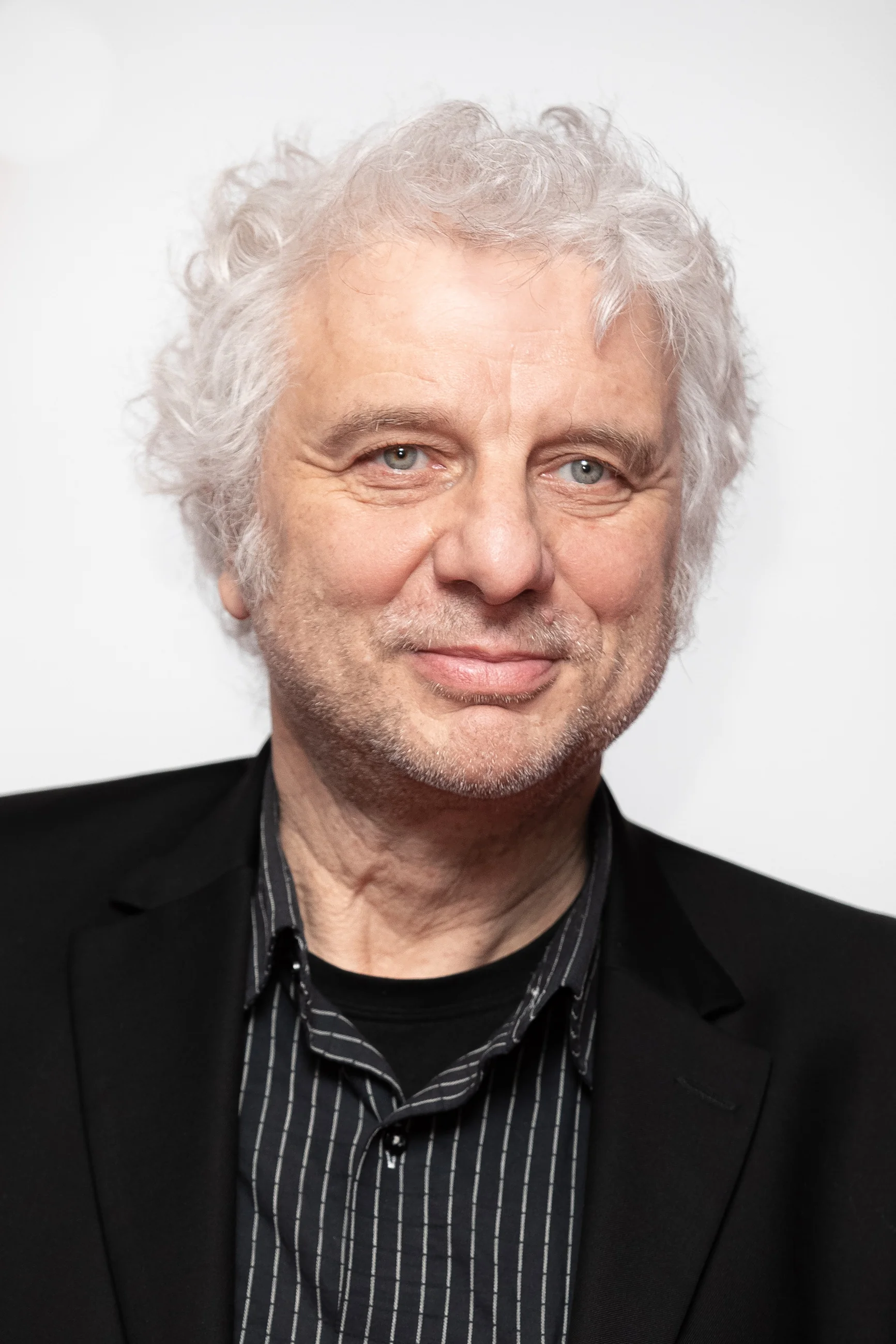
Image from Wikipedia
Image from Wikipedia
Udo Wachtveitl – A Distinctive Voice Between Tatort, Audiowork, and Cultural Presence
A Munich Exceptional Artist with a Unique Voice and Strong Stage Presence
Udo Wachtveitl, born on October 21, 1958, in Munich-Pasing, has been one of the defining faces and voices of the German cultural and media landscape for decades. He is primarily known as Chief Inspector Franz Leitmayr in the Munich Tatort, but his artistic profile extends far beyond that: as an actor, voice actor, audio drama and audiobook narrator, director, and screenwriter, he has built an extraordinarily versatile career in the broader realm of spoken art. His work remarkably combines stage presence, storytelling, and cultural authority. ([de.wikipedia.org](https://de.wikipedia.org/wiki/Udo_Wachtveitl?utm_source=openai))
Biographical Roots and the Early Path to Acting
Wachtveitl's artistic journey began early. Even in his youth, he was active as a speaker and performer in productions such as Meister Eder und sein Pumuckl and Tommy und seine Freunde, before establishing himself in theater, film, and television. According to the Bavarian State Opera and biographical sources, he had already appeared as a speaker and actor from a young age, which prepared his later authority as a storyteller and sound artist. His first theater engagement in the early 1980s marked the transition from early presence to a professional career. ([staatsoper.de](https://www.staatsoper.de/biographien/wachtveitl-udo?utm_source=openai))
Wachtveitl made his film debut in 1988 in the French production Der Löwe directed by Claude Lelouch. This step opened further doors for him in the German-speaking and international film industry. Over the years, he developed an artistic profile characterized by seriousness, precision, and strong character portrayal. ([de.wikipedia.org](https://de.wikipedia.org/wiki/Udo_Wachtveitl?utm_source=openai))
The Breakthrough with Munich Tatort
Udo Wachtveitl owes his significant breakthrough as a public figure to the role of Franz Leitmayr, which he has embodied since 1991 in the Munich Tatort. Alongside Miroslav Nemec as Ivo Batic, he formed one of the longest-running investigator duos in German television history. The character Leitmayr became a staple in the cultural memory of the ARD crime series, shaping the perception of the Munich Tatort over decades. ([staatsoper.de](https://www.staatsoper.de/biographien/wachtveitl-udo?utm_source=openai))
Recent BR sources show how strongly this chapter continues to resonate today: In 2025, filming began for the two-part episode Unvergänglich (AT), with which Wachtveitl and Nemec are set to bid farewell to the Munich Tatort after 100 cases. The broadcast is scheduled for 2026, and the Bavarian Broadcasting Corporation explicitly refers to this as a historic farewell after 35 years of shared TV history. This is not just a series finale but a piece of television and cultural history. ([br.de](https://www.br.de/presse/inhalt/pressedossiers/tatort/tatort-muenchen-unvergaenglich-1-2-batic-leitmayr-fall-99-100-100.html?utm_source=openai))
Voice Art, Audiobiographies, and Musical Narrative Form
Wachtveitl’s significance extends deep into the world of spoken art. As a speaker, he is present in documentaries, audio dramas, and audiobooks, and it is in these that his voice reveals a blend of calmness, authority, and narrative tension that makes him distinctive. The Bavarian State Opera describes him as an artist who has appeared as a speaker and performer since early youth, with his voice frequently heard in artistic documentaries by the Bavarian Broadcasting Corporation. ([staatsoper.de](https://www.staatsoper.de/biographien/wachtveitl-udo?utm_source=openai))
This competence is particularly evident in the BR-KLASSIK audiobiographies of great composers. In the BR shop, Wachtveitl is described as the "presiding voice" of the series, which connects the lives and works of composers such as Bach, Beethoven, Handel, Mahler, Mendelssohn, Mozart, Shostakovich, Schubert, Schumann, Tchaikovsky, Verdi, and Wagner with musical examples and complete works. Thus, he features in a format that combines music education, narration, and historical contextualization at the highest level. ([br-shop.de](https://www.br-shop.de/12-hoerbiografien-grosser-komponisten.html?utm_source=openai))
Discography and Current Musical Releases
Although Udo Wachtveitl is not a traditional pop or rock musician, his discography includes several high-profile speaking and listening productions within a musical context. On Apple Music, for example, Puccini: Die Welt zum Weinen bringen (2025) is listed, recorded or narrated with Max Simonischek and released through BRmedia Service GmbH. The release demonstrates how well Wachtveitl's voice works within the intersection of opera and cultural communication. ([music.apple.com](https://music.apple.com/be/album/puccini-die-welt-zum-weinen-bringen/1862743845?utm_source=openai))
In 2017, Die Macht der Musik: Handel was another project released in this area, while Tchaikovsky: Der Wille zum Glück is listed on Apple Music Classical and other platforms as part of his musical releases. In these productions, literary storytelling is intertwined with classical music dramaturgy, precisely the form where voice, composition, and historical narrative interconnect. ([music.apple.com](https://music.apple.com/be/album/puccini-die-welt-zum-weinen-bringen/1862743845?utm_source=openai))
Current Projects, Awards, and Cultural Presence
Wachtveitl's current relevance is evident not only in new releases but also in awards and public appearances. In 2025, he and Miroslav Nemec received the honorary prize from the Bavarian Minister-President at the Blauer Panther – TV & Streaming Award; BR and BR24 report that this honor was presented during the filming of the farewell two-parter. This underscores his ongoing significance for the public cultural and media landscape in Bavaria. ([br.de](https://www.br.de/presse/inhalt/pressemitteilungen/blauer-panther-ehrenpreis-2025-miroslav-nemec-udo-wachtveitl-100.html?utm_source=openai))
His presence in the opera and concert scene remains remarkable. The Bavarian State Opera lists him in their biographies and productions, including in connection with Ariadne auf Naxos, thereby referring to his proximity to high culture and to an audience that values precise speaking art as much as musical competence. Udo Wachtveitl is thus an artist who moves confidently between acting, music education, and cultural moderation. ([staatsoper.de](https://www.staatsoper.de/biographien/wachtveitl-udo?utm_source=openai))
Critical Reception and Artistic Influence
The reception of Wachtveitl's work is closely linked to his reliability as a performer and speaker. The Bavarian State Opera describes him as an artist who has received numerous awards, including the Grimme Prize, Bavarian Television Award, and Bavarian Order of Merit. These honors reflect not only his popularity but also the appreciation from institutions that place particular value on quality, continuity, and cultural impact. ([staatsoper.de](https://www.staatsoper.de/biographien/wachtveitl-udo?utm_source=openai))
His influence lies in the combination of presence and precision: Wachtveitl makes content not only understandable but also experiential. Whether in Tatort, on the radio, in music biographies, or in opera projects – his voice carries significance, rhythm, and atmosphere. In a country with a strong audio drama and radio culture, this form of authority holds a special status. ([staatsoper.de](https://www.staatsoper.de/biographien/wachtveitl-udo?utm_source=openai))
Interestingly, the breadth of his voice work is also notable: According to the State Opera, he has been the German voice for Kevin Bacon, Pierce Brosnan, Kiefer Sutherland, and Crush from Finding Nemo. This shows how far his voice impacts popular culture and how seamlessly it conveys between mainstream, educational formats, and artistic aspirations. ([staatsoper.de](https://www.staatsoper.de/biographien/wachtveitl-udo?utm_source=openai))
Conclusion: Why Udo Wachtveitl Continues to Fascinate Today
Udo Wachtveitl captivates because he combines artistic credibility with cultural depth. He is not a loud star but a precise storyteller whose work has stood out for decades through quality, consistency, and distinctive presence. Those who follow his projects encounter an artist who has written German television history while also shaping the art of speaking at a high level. Anyone experiencing him live or in recordings immediately senses this unique blend of experience, confidence, and expressiveness. ([br.de](https://www.br.de/presse/inhalt/pressemitteilungen/blauer-panther-ehrenpreis-2025-miroslav-nemec-udo-wachtveitl-100.html?utm_source=openai))
Now is particularly worthwhile to look at his work as the farewell to the Munich Tatort closes a historic chapter while simultaneously making the value of his entire oeuvre even clearer. Udo Wachtveitl represents a rare form of artistic continuous presence – and that is precisely what makes him exciting, timeless, and a must-see. ([br.de](https://www.br.de/presse/inhalt/pressedossiers/tatort/tatort-muenchen-unvergaenglich-1-2-batic-leitmayr-fall-99-100-100.html?utm_source=openai))
Official Channels of Udo Wachtveitl:
- Instagram: No official profile found
- Facebook: No official profile found
- YouTube: No official profile found
- Spotify: No official profile found
- TikTok: No official profile found
Sources:
- Wikipedia – Udo Wachtveitl
- Bavarian State Opera – Biographies: Udo Wachtveitl
- BR Press – Blauer Panther: Honorary Award for Miroslav Nemec and Udo Wachtveitl
- BR Press – Tatort München: Two-Part Episode “Unvergänglich” (AT)
- BR Shop – 12 Audiobiographies of Great Composers
- BR Shop – Giacomo Puccini: Die Welt zum Weinen bringen
- Apple Music – Puccini: Die Welt zum Weinen bringen
- Apple Music – Udo Wachtveitl Artist Profile
Upcoming Events
Udo Wachtveitl & Amici Ensemble